Công ty Hải Đức Bột với hơn 10 năm kinh nghiệm vận chuyển khí, cung cấp hệ thống‑thiết bị‑quạt gió và nhận dự án tổng thầu bột cả nước
When it comes to transporting sintered dust in industrial settings, selecting the right conveying method is crucial for efficiency, cost-effectiveness, and operational safety. Sintered dust, a byproduct of sintering processes in industries like steel, mining, and metallurgy, requires specialized handling due to its fine particle size and potential for dust explosions or health hazards. This article provides a detailed comparison of common sintered dust conveying methods, examining their advantages and disadvantages to help industrial operators make informed decisions.
Overview of Sintered Dust and Conveying Challenges
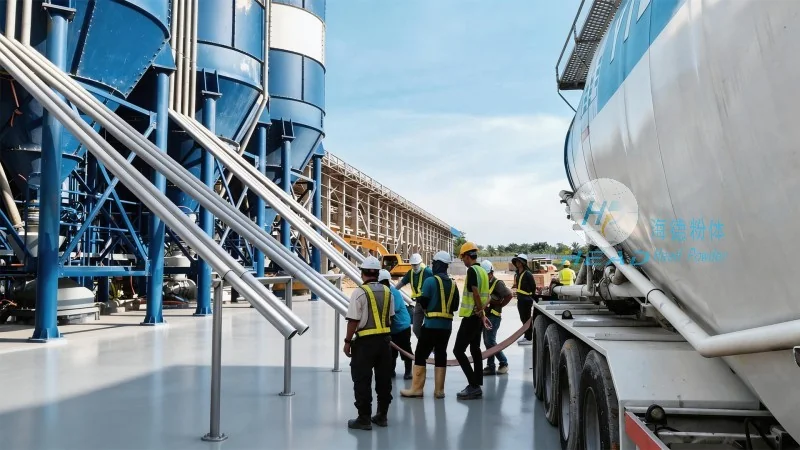
Sintered dust, also known as sintered ore dust or sintering fines, is a fine-grained material produced during the sintering process. This process involves heating raw materials (such as iron ore, coke, and limestone) to a temperature below their melting point, causing them to bond together and form a porous, solid material. The resulting dust is typically composed of fine particles, often with a high moisture content or abrasive properties, making it challenging to handle. Effective dust conveying is essential to maintain production continuity, minimize environmental impact, and ensure worker safety.
Common Sintered Dust Conveying Methods
1. Pneumatic Conveying Systems
Pneumatic conveying, or air-based conveying, is a widely used method for transporting sintered dust due to its ability to handle fine powders over long distances. This system uses compressed air or other gases to move material through a pipeline. There are two main types: dilute-phase and dense-phase pneumatic conveying. Dilute-phase systems use low air-to-material ratios, suitable for short to medium distances and low to medium material flow rates. Dense-phase systems, on the other hand, use higher air-to-material ratios, enabling the transport of high-density materials over longer distances with less pressure drop. Advantages of pneumatic conveying include high flexibility in layout, minimal material degradation, and the ability to handle abrasive or corrosive dust. However, it requires significant energy input for compressed air, and system maintenance can be complex. Additionally, the risk of dust explosions in pneumatic systems necessitates proper explosion-proof measures and material handling protocols.
2. Screw Conveyors (Auger Conveyors)
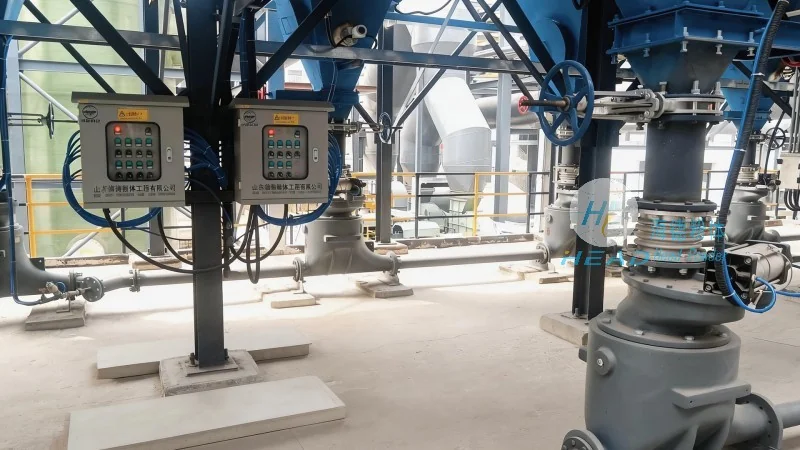
Screw conveyors, also known as auger conveyors, are mechanical devices that use a rotating screw (auger) to move sintered dust along a trough or pipe. This method is suitable for horizontal or slightly inclined transport of dry, free-flowing materials. Screw conveyors are relatively simple in design, low-cost to install, and can handle a wide range of particle sizes. They are particularly effective for short to medium distances and moderate material flow rates. Advantages include low energy consumption compared to pneumatic systems, minimal dust leakage, and the ability to handle sticky or cohesive materials with appropriate screw designs. Disadvantages include limitations in conveying distance (typically up to 30-50 meters), potential for material degradation due to friction, and the need for regular maintenance to prevent wear on the screw and trough. Screw conveyors are also less effective for handling very fine or abrasive dust, as they can cause increased wear and clogging.
3. Belt Conveyors
Belt conveyors are another common mechanical method for transporting sintered dust, especially in applications requiring long-distance transport or bulk material handling. This system uses a continuous belt loop that moves over rollers or pulleys, carrying the material from the source to the destination. Belt conveyors are highly efficient for horizontal or slight incline transport and can handle large volumes of material. Advantages include high capacity, low maintenance costs (compared to screw conveyors), and the ability to transport materials over long distances (up to several hundred meters). They are also suitable for handling a variety of materials, including wet or sticky dust, with appropriate belt and idler designs. However, belt conveyors require significant space for installation, and the risk of belt slip or material spillage is higher compared to other methods. Additionally, they may not be suitable for very fine or abrasive dust, as the belt and rollers can wear quickly, leading to increased maintenance and potential downtime.
4. Bucket Elevators
Bucket elevators are vertical or inclined mechanical conveyors that use a chain or belt with attached buckets to lift and transport sintered dust vertically. This method is ideal for vertical transport or steep inclines, where other systems may not be feasible. Bucket elevators are capable of handling fine powders and can transport materials over significant vertical distances (up to 30-40 meters). Advantages include high vertical transport capacity, minimal material degradation, and the ability to handle abrasive or heavy materials. They are also relatively simple to operate and maintain compared to pneumatic systems. Disadvantages include limitations in horizontal transport, as they are primarily designed for vertical movement. Additionally, the risk of material spillage at the top and bottom of the elevator can be a concern, and the system requires regular inspection to prevent bucket wear or chain breakage.
5. Hydraulic Conveying
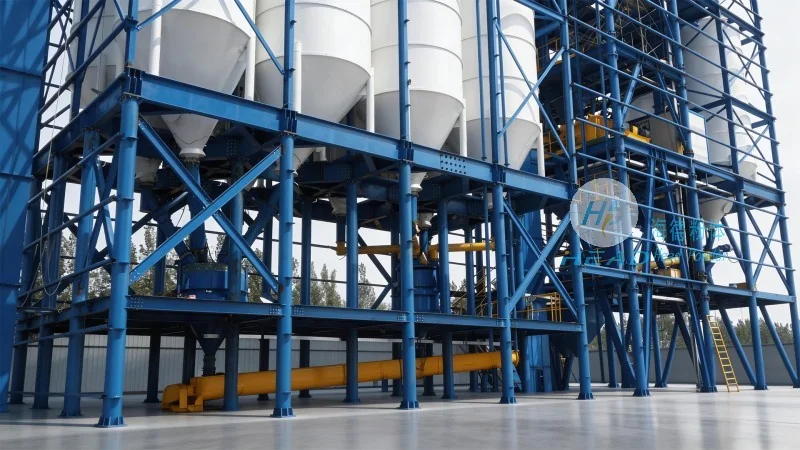
Hydraulic conveying, or slurry transport, involves mixing sintered dust with water to form a slurry, which is then pumped through pipelines. This method is suitable for transporting wet or sticky dust over long distances. Hydraulic systems are particularly effective for handling materials with high moisture content or cohesive properties. Advantages include the ability to transport materials with high moisture content, reduced dust emissions, and the capacity to handle large volumes of material. However, hydraulic conveying requires significant water usage and disposal, which can increase operational costs and environmental impact. The system also needs regular maintenance to prevent clogging in pipelines and pumps, and the risk of corrosion in metal components is higher due to the presence of water.
Choosing the Right Conveying Method for Sintered Dust
The selection of an appropriate sintered dust conveying method depends on several factors, including the characteristics of the dust (particle size, moisture content, abrasiveness), the distance and layout of the transport route, the required material flow rate, and the available budget and space. For example, pneumatic conveying is often preferred for fine, dry dust over medium to long distances, while screw conveyors are suitable for shorter distances and moderate flow rates. Belt conveyors are ideal for bulk material handling over long horizontal distances, and bucket elevators are necessary for vertical transport. It is also important to consider safety measures, such as explosion-proof designs for pneumatic systems and proper dust collection for all methods, to mitigate health and environmental risks.
Conclusion
Effective sintered dust conveying is critical for maintaining operational efficiency and safety in industrial processes. By understanding the advantages and disadvantages of different conveying methods, industrial operators can select the most suitable system for their specific needs. Companies like Shandong HeadPowder Engineering Co., Ltd., based in China, specialize in providing customized dust handling solutions, including advanced conveying systems tailored to the unique requirements of sintered dust. With expertise in material handling and industrial engineering, HeadPowder offers comprehensive solutions to optimize dust transport, minimize environmental impact, and ensure compliance with safety regulations. Whether through pneumatic, mechanical, or hydraulic systems, the right choice can significantly enhance productivity and reduce operational costs in sintering and related industries.

 Công ty TNHH Kỹ thuật Công trình Bột Hải Đức Sơn Đông
 156-6277-7102(Quản lý Trương)
  0531-83386006
  Quận Chương Khâu, Thành phố Tế Nam, Tỉnh Sơn Đông, Trung Quốc
Điện thoại
WeChatTư vấn
Lên đầu