Công ty Hải Đức Bột với hơn 10 năm kinh nghiệm vận chuyển khí, cung cấp hệ thống‑thiết bị‑quạt gió và nhận dự án tổng thầu bột cả nước
When it comes to handling and transporting corn flour, selecting the right conveying method is crucial for efficiency, cost-effectiveness, and product integrity. The choice of conveying system impacts not only operational performance but also the overall quality of the corn flour, which is a critical factor in food processing and industrial applications. This article provides a detailed comparison of common corn flour conveying methods, highlighting their advantages and disadvantages to help businesses make informed decisions.
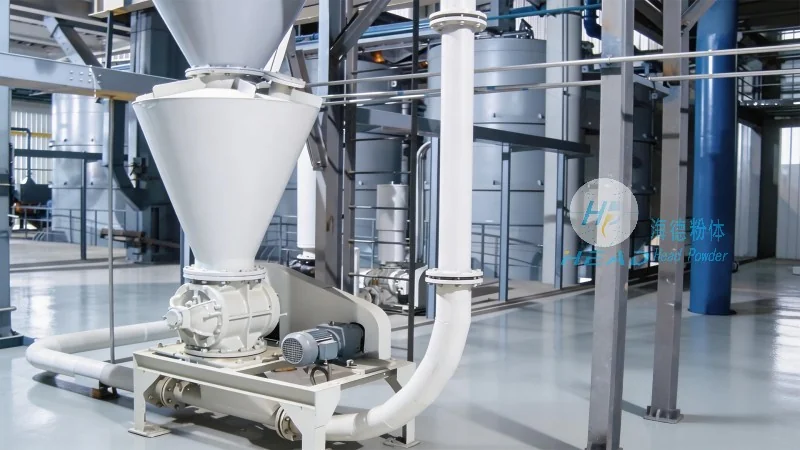
Overview of Corn Flour Conveying Systems
Corn flour, with its fine texture and high moisture content in some cases, requires specialized equipment to ensure safe and efficient transport. Conveying systems for corn flour must address challenges such as dust generation, material segregation, and the need for gentle handling to prevent product degradation. The most common methods include screw conveyors, pneumatic conveying systems, and belt conveyors, each with distinct characteristics that make them suitable for different scenarios.
Screw Conveyors: A Traditional and Reliable Option
Screw conveyors, also known as auger conveyors, are widely used in corn flour processing due to their simplicity and reliability. These systems consist of a rotating helical screw inside a tube or trough, which moves material forward through the conveyor. The primary advantage of screw conveyors is their ability to handle a wide range of materials, including powders and granules, with minimal maintenance. They are particularly effective for vertical or inclined transport, as the screw can lift and move corn flour without the need for additional equipment. However, screw conveyors have limitations when it comes to handling very fine powders, as they may cause excessive friction and heat generation, potentially affecting the quality of the corn flour. Additionally, they are not suitable for long-distance transport due to the risk of material degradation and increased energy consumption.
Pneumatic Conveying Systems: High-Capacity and Flexible Solutions
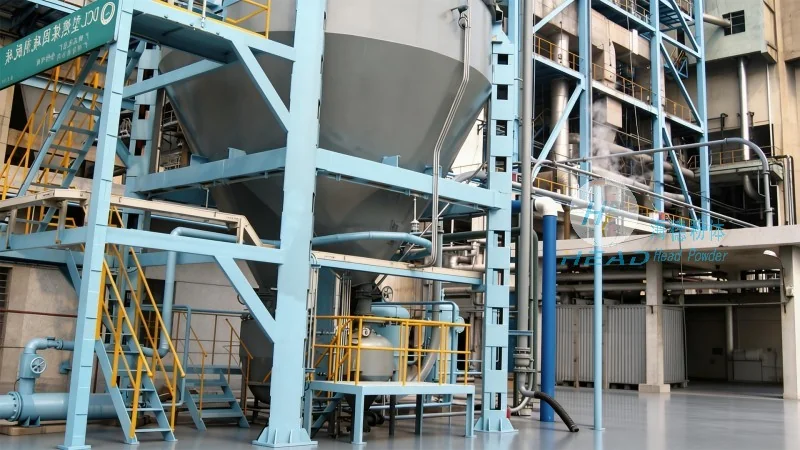
Pneumatic conveying systems use air or other gases to transport corn flour through a pipeline. These systems are highly effective for long-distance and high-volume transport, offering flexibility in layout and the ability to handle fine powders without segregation. The main advantage of pneumatic conveying is its ability to transport corn flour in a closed system, reducing dust and contamination risks. This is particularly important in food processing applications where hygiene and product purity are paramount. Pneumatic systems also allow for gentle handling of the material, minimizing the risk of clumping or degradation. However, they require higher energy input compared to other methods, as the air pressure needed to move the material can be significant. Additionally, the system complexity and maintenance costs are higher, as it involves components such as air compressors, filters, and control valves.
Belt Conveyors: Efficient for Bulk and Horizontal Transport
Belt conveyors are commonly used for bulk material handling, including corn flour, in horizontal or slightly inclined applications. These systems consist of a continuous belt that moves over rollers or a flat surface, transporting the material from one point to another. The primary advantage of belt conveyors is their high capacity and ability to handle large volumes of corn flour efficiently. They are particularly suitable for long-distance horizontal transport, as the belt can move the material without the need for vertical lifting. Belt conveyors also offer low maintenance costs and are relatively simple to operate. However, they are not suitable for fine powders, as the material may fall through the belt or cause excessive wear and tear. Additionally, belt conveyors require regular cleaning to prevent material buildup and maintain hygiene standards.
Choosing the Right Conveying Method for Corn Flour
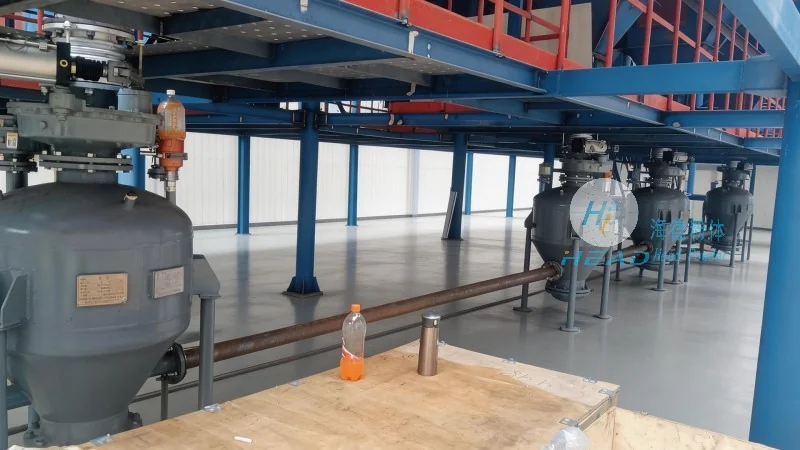
The selection of a corn flour conveying method depends on several factors, including the volume of material to be transported, the distance, the required speed, and the specific characteristics of the corn flour (e.g., moisture content, particle size). For short distances and moderate volumes, screw conveyors may be the most cost-effective option. For long-distance and high-volume transport, pneumatic conveying systems offer superior performance and flexibility. Belt conveyors are ideal for bulk handling in horizontal applications. It is essential to consider the trade-offs between cost, efficiency, and product quality when making a decision.
HeadPowder Engineering: Expertise in Corn Flour Conveying Solutions
Shandong HeadPowder Engineering Co., Ltd. specializes in providing customized conveying solutions for corn flour and other fine powders. With years of experience in the industry, HeadPowder offers a range of equipment, including screw conveyors, pneumatic systems, and belt conveyors, tailored to meet the specific needs of clients. The company’s expertise lies in understanding the unique challenges of corn flour processing and designing systems that ensure optimal performance and product integrity. HeadPowder’s team of engineers works closely with clients to assess their requirements and recommend the most suitable conveying method, ensuring that the final solution is efficient, cost-effective, and compliant with industry standards. Whether it's a new installation or an upgrade to an existing system, HeadPowder provides comprehensive support, from design and manufacturing to installation and maintenance.

 Công ty TNHH Kỹ thuật Công trình Bột Hải Đức Sơn Đông
 156-6277-7102(Quản lý Trương)
  0531-83386006
  Quận Chương Khâu, Thành phố Tế Nam, Tỉnh Sơn Đông, Trung Quốc
Điện thoại
WeChatTư vấn
Lên đầu