Công ty Hải Đức Bột với hơn 10 năm kinh nghiệm vận chuyển khí, cung cấp hệ thống‑thiết bị‑quạt gió và nhận dự án tổng thầu bột cả nước
Heavy calcium carbonate (often abbreviated as heavy calcium or HCC) is a widely used industrial material in various sectors, including plastics, paper, and coatings. The efficient and reliable transportation of this material from storage to processing units is crucial for maintaining production efficiency and minimizing operational costs. Among the various conveying methods available, pneumatic conveying stands out as a preferred solution for heavy calcium carbonate due to its unique advantages and characteristics. This article provides an overview of the different types of heavy calcium carbonate conveying methods and highlights the key benefits of pneumatic conveying.
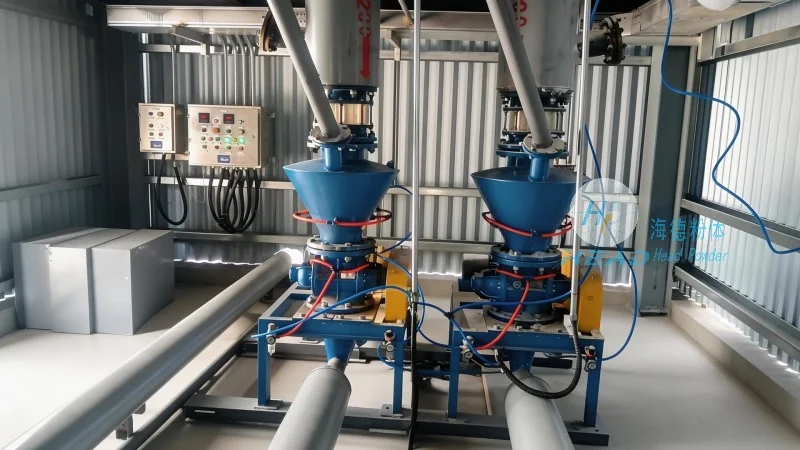
Types of Heavy Calcium Carbonate Conveying Methods
There are several methods used for transporting heavy calcium carbonate, each with its own set of applications and limitations. The primary categories include mechanical conveying and pneumatic conveying. Mechanical conveying methods, such as belt conveyors and screw conveyors, are commonly used for bulk material handling but may face challenges when dealing with fine powders like heavy calcium carbonate, which can lead to issues like dust accumulation and material degradation. In contrast, pneumatic conveying offers a more flexible and efficient solution for handling such powders.
Pneumatic Conveying: The Preferred Method for Heavy Calcium Carbonate
Pneumatic conveying, also known as air conveying, involves the transportation of solid particles through a pipeline using compressed air. This method is particularly suitable for heavy calcium carbonate due to its ability to handle fine powders without the need for mechanical components that could cause wear and tear or contamination. The process typically involves a hopper where the material is stored, a feeder that controls the flow rate, and a pipeline system that transports the material to the destination. The compressed air acts as the driving force, carrying the particles through the pipeline and depositing them at the receiving point.
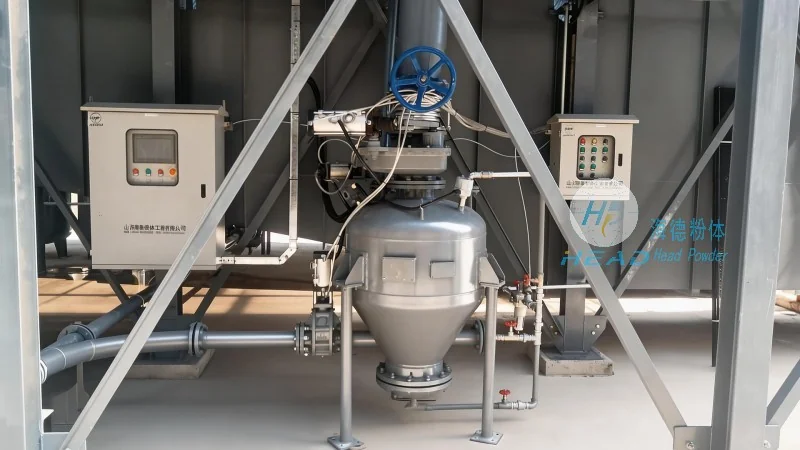
Advantages of Pneumatic Conveying for Heavy Calcium Carbonate
One of the most significant advantages of pneumatic conveying for heavy calcium carbonate is its ability to maintain the purity and quality of the material. Unlike mechanical conveyors, which may introduce contaminants or cause particle degradation through friction, pneumatic systems keep the material in a closed environment, reducing the risk of contamination and dust exposure. This is especially important in industries where the quality of the final product is critical, such as in the production of high-quality plastics or specialty papers.
Another key advantage is the flexibility and scalability of pneumatic conveying systems. These systems can be easily adapted to different production requirements, from small-scale operations to large industrial plants. The ability to change the conveying distance, flow rate, and material type without significant modifications makes pneumatic conveying a versatile solution for heavy calcium carbonate handling. Additionally, pneumatic systems can handle varying particle sizes and moisture content, making them suitable for a wide range of applications.
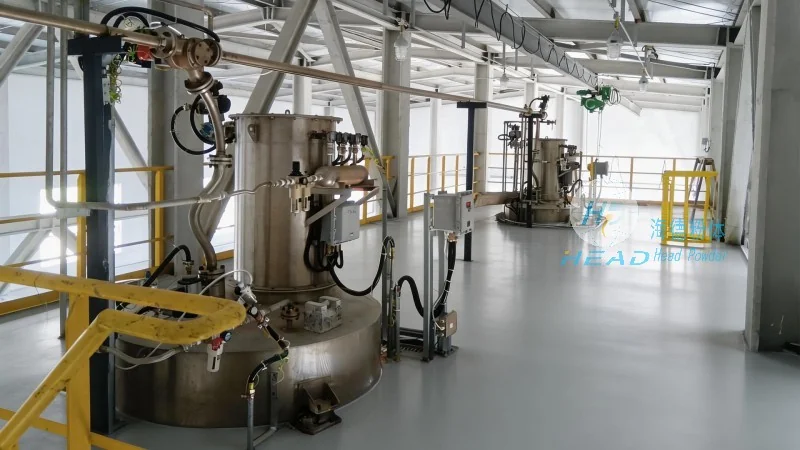
Key Characteristics of Pneumatic Conveying Systems
Pneumatic conveying systems for heavy calcium carbonate are characterized by several features that contribute to their efficiency and reliability. The first is the use of positive pressure or negative pressure systems. Positive pressure systems use compressed air to push the material through the pipeline, while negative pressure systems use suction to draw the material. Both systems have their advantages, with positive pressure being more common for heavy calcium carbonate due to its ability to handle larger quantities and longer distances. The choice between the two depends on the specific application and operational requirements.
Another important characteristic is the type of pipeline used. Pneumatic conveying systems can use rigid or flexible pipelines, depending on the application. Rigid pipelines are typically made of stainless steel or plastic and are suitable for long-distance conveying, while flexible pipelines are more suitable for short-distance or mobile applications. The selection of the pipeline material is critical, as it must be resistant to corrosion and wear from the heavy calcium carbonate particles.
Applications of Pneumatic Conveying in Heavy Calcium Carbonate Handling
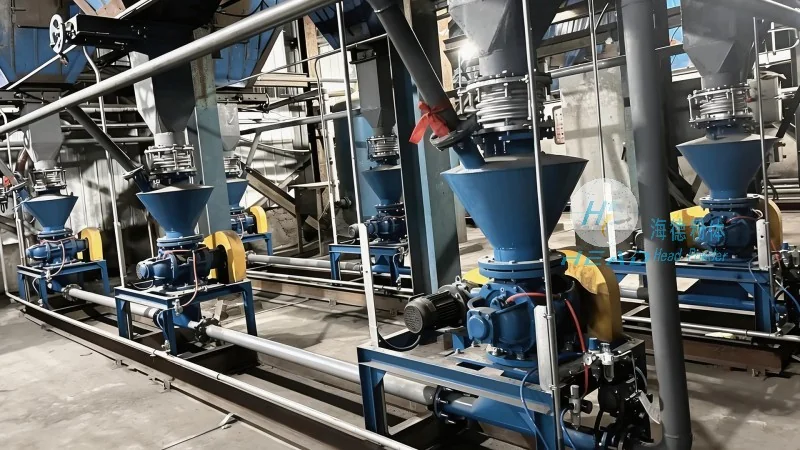
Pneumatic conveying is widely used in various applications involving heavy calcium carbonate. In the plastics industry, for example, heavy calcium carbonate is used as a filler to improve the mechanical properties and reduce the cost of plastic products. Pneumatic conveying systems are used to transport the material from storage silos to the mixing units, ensuring a consistent and uniform blend. In the paper industry, heavy calcium carbonate is used as a coating material to enhance the paper's brightness and smoothness. Pneumatic conveying allows for the precise control of the material flow, ensuring that the coating process is efficient and effective.
In the coatings and paints industry, heavy calcium carbonate is used as a pigment and filler to improve the durability and appearance of the final product. Pneumatic conveying systems are used to transport the material from storage to the production line, ensuring that the material is delivered in a clean and consistent manner. This helps to maintain the quality of the coatings and paints, which is essential for their performance in various applications.
Conclusion
Heavy calcium carbonate is a vital material in many industrial applications, and the efficient transportation of this material is crucial for maintaining production efficiency and product quality. Among the various conveying methods available, pneumatic conveying stands out as a preferred solution due to its ability to handle fine powders, maintain material purity, and offer flexibility and scalability. The advantages of pneumatic conveying, including reduced contamination, improved material handling, and adaptability to different applications, make it an ideal choice for heavy calcium carbonate handling. As the demand for high-quality industrial materials continues to grow, the use of advanced conveying systems like pneumatic conveying will become increasingly important in ensuring the efficient and reliable operation of industrial processes.

 Công ty TNHH Kỹ thuật Công trình Bột Hải Đức Sơn Đông
 156-6277-7102(Quản lý Trương)
  0531-83386006
  Quận Chương Khâu, Thành phố Tế Nam, Tỉnh Sơn Đông, Trung Quốc
Điện thoại
WeChatTư vấn
Lên đầu