Công ty Hải Đức Bột với hơn 10 năm kinh nghiệm vận chuyển khí, cung cấp hệ thống‑thiết bị‑quạt gió và nhận dự án tổng thầu bột cả nước
When it comes to transporting cement, various methods are employed across different industries. The choice of a suitable conveying system depends on factors such as the distance, volume, and environmental conditions. Traditional methods like belt conveyors and screw conveyors have been widely used, but modern advancements have introduced more efficient and flexible solutions. Among these, pneumatic cement conveying stands out as a preferred choice for many applications due to its unique advantages and features.
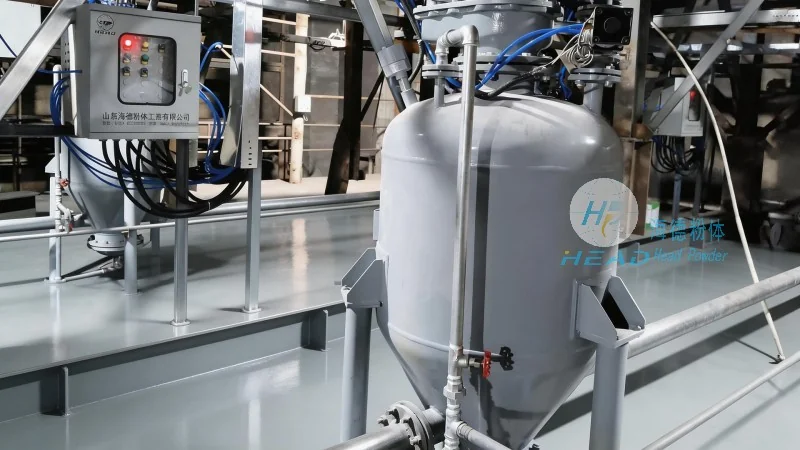
Overview of Common Cement Conveying Methods
Before delving into the specifics of pneumatic cement conveying, it's essential to understand the primary methods used for cement transportation. The most common approaches include:
Belt Conveyors: These systems use continuous belts to move bulk materials, including cement, over long distances. They are suitable for horizontal and slight incline applications but may face challenges with dust control and material segregation.
Screw Conveyors: Also known as auger conveyors, these devices use a rotating screw to push materials forward. They are ideal for vertical or inclined transport and are commonly used in smaller-scale operations.
Pneumatic Conveying: This method utilizes air pressure to transport materials through a pipeline. It offers high efficiency, flexibility, and minimal maintenance compared to other systems.
Pneumatic Cement Conveying: Advantages and Features
Pneumatic cement conveying, also known as air-suspended or air-pneumatic conveying, is a technology that uses compressed air to move cement and other powders through a sealed pipeline. This method is particularly favored in industrial settings due to several key advantages:
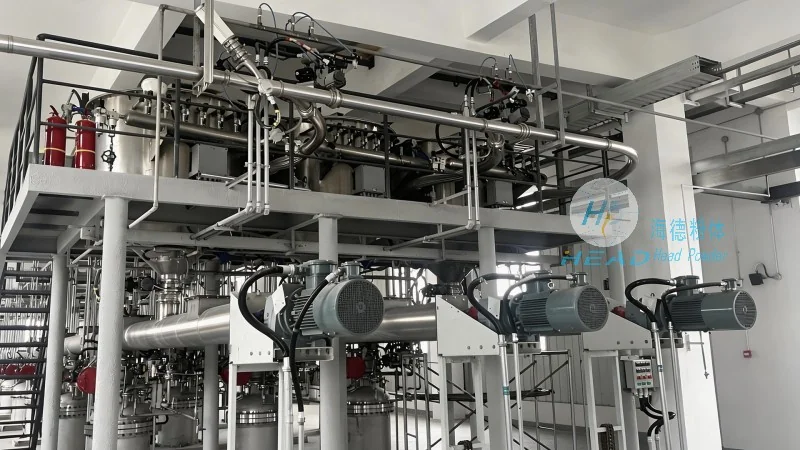
High Efficiency and Speed: Pneumatic systems can transport large volumes of cement quickly and efficiently, reducing downtime and increasing productivity.
Low Maintenance: With fewer moving parts compared to mechanical conveyors, pneumatic systems require less maintenance and have a longer service life.
Flexibility and Scalability: The modular design of pneumatic conveying systems allows for easy expansion or reconfiguration to meet changing production needs.
Environmental Benefits: By containing dust and preventing material spillage, pneumatic systems contribute to a cleaner working environment and compliance with environmental regulations.
Reduced Labor Costs: Automated pneumatic systems minimize the need for manual handling, lowering labor costs and improving workplace safety.
Key Features of Pneumatic Cement Conveying Systems
Modern pneumatic cement conveying systems are equipped with advanced features that enhance their performance and reliability. These include:
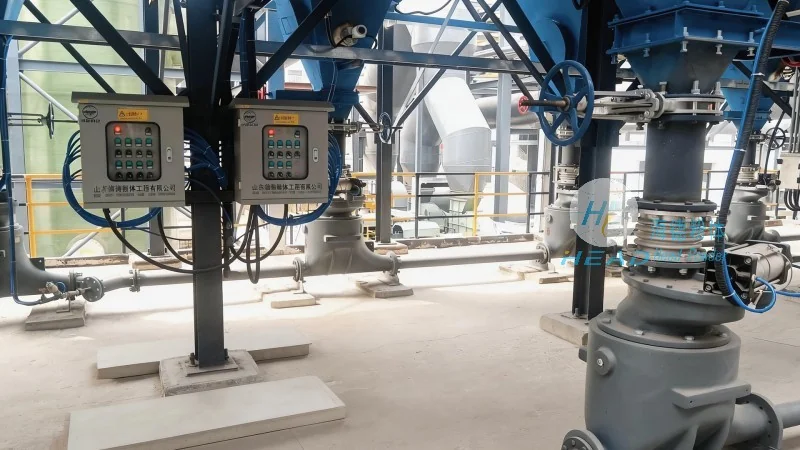
Positive Displacement Pumps: These pumps ensure consistent material flow by maintaining a constant pressure, preventing blockages and ensuring smooth operation.
Dust Control Systems: Integrated filters and cyclones capture and separate dust particles, ensuring compliance with air quality standards and protecting equipment from wear.
Control Panels: Advanced control systems allow for real-time monitoring and adjustment of conveying parameters, optimizing performance and energy consumption.
Material Handling Accessories: Components such as feeders, silos, and discharge units are designed to handle cement efficiently, minimizing material loss and ensuring accurate dosing.
Applications of Pneumatic Cement Conveying
Pneumatic cement conveying is widely used in various industries, including construction, cement manufacturing, and chemical processing. Its versatility makes it suitable for both small-scale and large-scale operations. For instance, in cement plants, pneumatic systems are used to transport raw materials and finished products between different processing stages. In construction sites, they are employed to deliver cement to remote locations, reducing the need for manual handling and transportation.
Conclusion
Choosing the right cement conveying method is crucial for optimizing operational efficiency and maintaining product quality. While traditional methods have their place, pneumatic cement conveying offers significant advantages in terms of efficiency, flexibility, and environmental impact. As a leading provider of cement conveying solutions, Shandong HeadPowder Engineering Co., Ltd. specializes in designing and manufacturing high-quality pneumatic systems tailored to meet the specific needs of industrial clients. With years of experience and a commitment to innovation, HeadPowder continues to deliver reliable and efficient solutions for cement transportation, helping businesses enhance productivity and reduce operational costs.

 Công ty TNHH Kỹ thuật Công trình Bột Hải Đức Sơn Đông
 156-6277-7102(Quản lý Trương)
  0531-83386006
  Quận Chương Khâu, Thành phố Tế Nam, Tỉnh Sơn Đông, Trung Quốc
Điện thoại
WeChatTư vấn
Lên đầu