Công ty Hải Đức Bột với hơn 10 năm kinh nghiệm vận chuyển khí, cung cấp hệ thống‑thiết bị‑quạt gió và nhận dự án tổng thầu bột cả nước
Organic fertilizer granule pneumatic conveying systems are critical for efficient material handling in agricultural and industrial applications. The design of such systems requires careful consideration of several key factors to ensure optimal performance, reliability, and cost-effectiveness. This article outlines the essential steps and considerations for designing a well-structured organic fertilizer granule pneumatic conveying system, presented by Shandong HeadPowder Engineering Co., Ltd., a leading provider in the field.
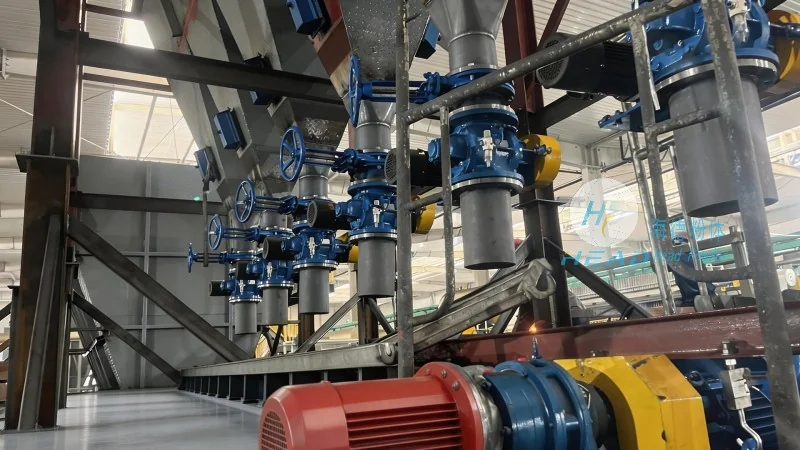
Understanding the Characteristics of Organic Fertilizer Granules
Organic fertilizer granules vary in size, density, and moisture content, which directly impact the selection of a pneumatic conveying system. For instance, smaller granules may require higher air velocities to prevent blockages, while larger or denser granules might necessitate higher pressure systems. Shandong HeadPowder Engineering Co., Ltd. emphasizes the importance of conducting a thorough material analysis before system design. This includes measuring particle size distribution, bulk density, and flowability to tailor the system to the specific properties of the organic fertilizer.
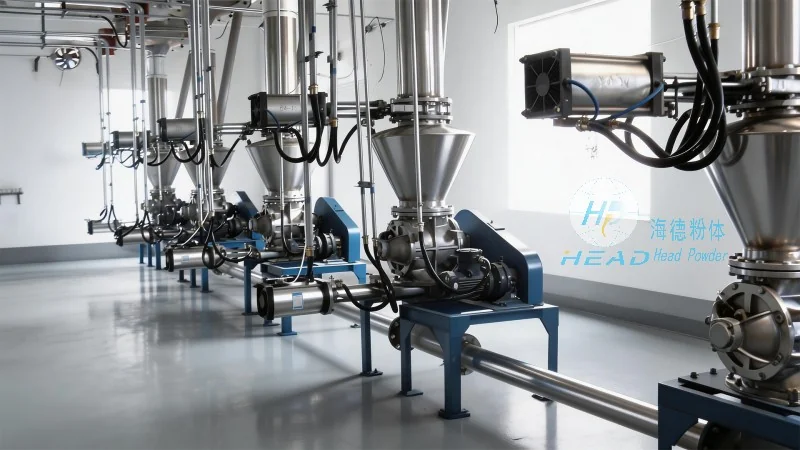
System Design Considerations: Pressure vs. Vacuum Conveying
Choosing between pressure and vacuum pneumatic conveying systems is a pivotal decision in organic fertilizer granule handling. Pressure systems, which use positive pressure to push material through the pipeline, are suitable for long-distance or high-capacity applications. They typically involve a blower or compressor at the inlet, ensuring consistent material flow. In contrast, vacuum systems use negative pressure to draw material from the source, which is ideal for short distances or when the material needs to be transported from multiple points. Shandong HeadPowder Engineering Co., Ltd. advises evaluating the distance between the fertilizer source and the storage or processing facility, as well as the required throughput, to determine the most appropriate system type.
Key Components of a Pneumatic Conveying System
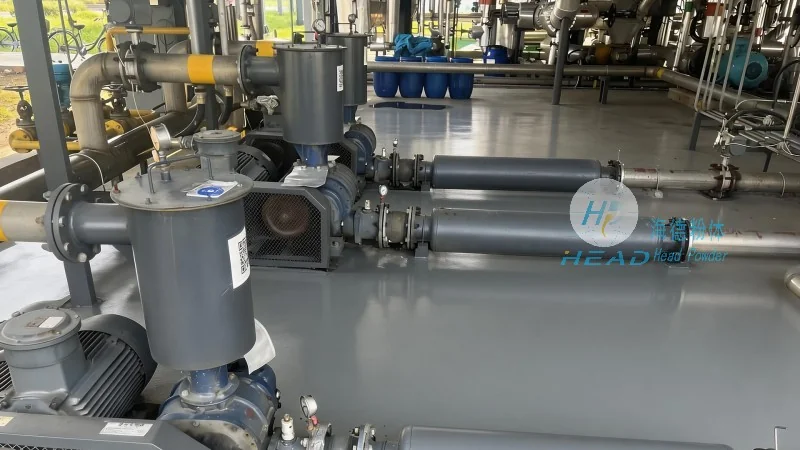
A well-designed organic fertilizer granule pneumatic conveying system consists of several critical components, each playing a vital role in the overall operation. These include the material feed hopper, which ensures a consistent feed rate; the air supply unit (blower or compressor), which provides the necessary air pressure or vacuum; the conveying pipeline, which transports the material; and the discharge hopper or silo, where the fertilizer is collected. Additionally, accessories such as rotary valves, filters, and dust collectors are essential for maintaining system efficiency and preventing material degradation or environmental contamination.
Material Handling Challenges and Solutions
Organic fertilizer granules can present unique challenges during pneumatic conveying, such as agglomeration, moisture sensitivity, or dust generation. Agglomeration, where granules stick together, can cause blockages in the pipeline, leading to system downtime. To mitigate this, Shandong HeadPowder Engineering Co., Ltd. recommends incorporating vibrators or agitators in the feed hopper to break up clumps. Moisture sensitivity is another concern, as high humidity can cause the granules to clump or degrade. Proper drying of the fertilizer before conveying and using appropriate materials for the pipeline and components can help address this issue. Dust control is also crucial, as organic fertilizer dust can be a health hazard and cause equipment wear. Effective dust collection systems, including cyclones and bag filters, are integrated into the design to minimize dust emissions and protect the environment.
Energy Efficiency and Maintenance Considerations
Energy efficiency is a significant factor in the long-term operation of pneumatic conveying systems. Shandong HeadPowder Engineering Co., Ltd. emphasizes the importance of selecting high-efficiency air supply units and optimizing the system design to reduce energy consumption. For example, using larger diameter pipelines for longer conveying distances can lower air velocity requirements, thereby reducing energy use. Regular maintenance is also critical to ensure the system operates at peak efficiency. This includes checking the condition of the blower or compressor, cleaning filters and dust collectors, and inspecting the pipeline for any signs of wear or damage. Proper maintenance not only extends the system's lifespan but also reduces operational costs.
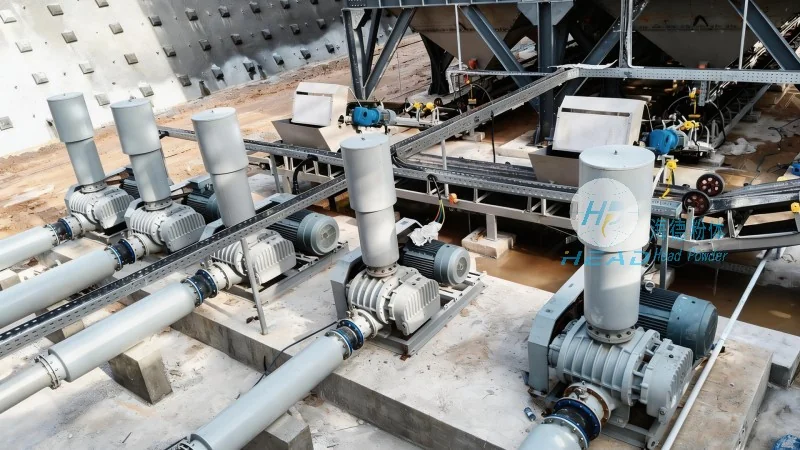
Case Study: A Successful Organic Fertilizer Granule Pneumatic Conveying System
Shandong HeadPowder Engineering Co., Ltd. has successfully implemented numerous organic fertilizer granule pneumatic conveying systems for clients in China. One notable project involved a large-scale organic fertilizer production facility in Shandong, where the company designed a pressure pneumatic conveying system to transport granules from the production line to a storage silo. The system was engineered to handle a throughput of 50 tons per hour, with a conveying distance of 200 meters. By carefully analyzing the granule characteristics and selecting the appropriate components, the system achieved high efficiency and reliability, meeting the client's production requirements while minimizing energy consumption. This case study highlights the expertise of Shandong HeadPowder Engineering Co., Ltd. in designing customized pneumatic conveying solutions for organic fertilizer applications.

 Công ty TNHH Kỹ thuật Công trình Bột Hải Đức Sơn Đông
 156-6277-7102(Quản lý Trương)
  0531-83386006
  Quận Chương Khâu, Thành phố Tế Nam, Tỉnh Sơn Đông, Trung Quốc
Điện thoại
WeChatTư vấn
Lên đầu