Công ty Hải Đức Bột với hơn 10 năm kinh nghiệm vận chuyển khí, cung cấp hệ thống‑thiết bị‑quạt gió và nhận dự án tổng thầu bột cả nước
When designing a pneumatic conveying system for handling polytetrafluoroethylene (PTFE), it is crucial to consider several key factors to ensure efficiency, reliability, and cost-effectiveness. PTFE is a high-performance fluoropolymer known for its excellent chemical resistance, low friction, and thermal stability, making it ideal for applications involving aggressive chemicals or high-temperature environments. However, its unique properties also require specialized design considerations to prevent material degradation and ensure smooth operation.
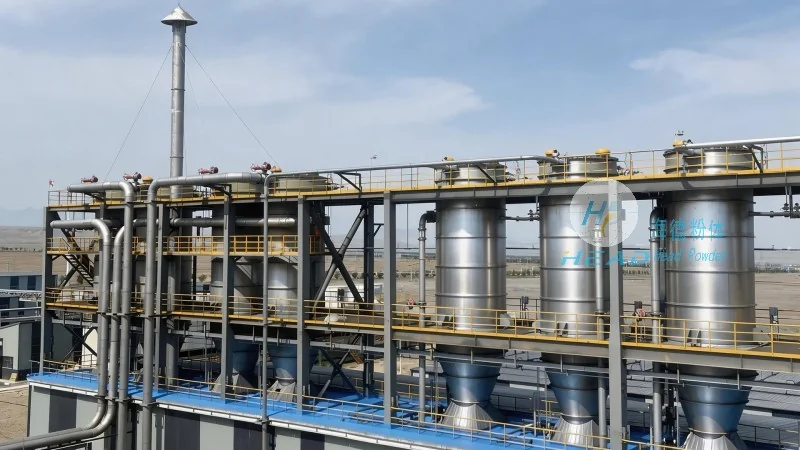
Key Design Considerations for PTFE Pneumatic Conveying
The first step in designing a PTFE pneumatic conveying system is to assess the material characteristics of the PTFE powder or granules. This includes evaluating particle size distribution, moisture content, and bulk density, as these factors directly impact the system's air velocity requirements and pressure drop. For instance, finer PTFE particles may necessitate lower air velocities to avoid excessive pressure losses and material degradation. Additionally, the system must be designed to handle the specific flow rates and material handling volumes required by the application, ensuring that the conveying line can maintain consistent performance without clogging or blockages.
System Components and Material Selection
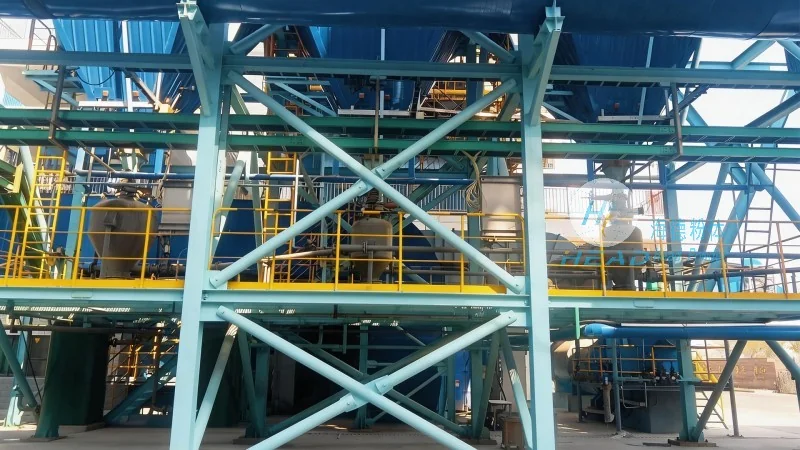
HeadPowder, a leading engineering company based in Shandong, China, specializes in designing and manufacturing PTFE pneumatic conveying systems tailored to the unique needs of various industries. The company's approach involves a comprehensive analysis of the material properties and operational requirements to select the most suitable system configuration. For PTFE applications, the system components, such as the hopper, feeder, and conveying line, are typically constructed from PTFE or compatible materials to minimize chemical interaction and ensure long-term durability. The hopper design, for example, may incorporate a conical shape with a smooth interior to prevent material buildup and facilitate uniform feeding. The feeder, often a rotary valve or a positive displacement pump, is selected based on the material's flow characteristics and the required conveying pressure. The conveying line, which may be made of PTFE-coated metal or PTFE tubing, is designed to maintain the material's integrity and prevent degradation during transport.
Air System and Pressure Management
Another critical aspect of PTFE pneumatic conveying system design is the air system and pressure management. The air supply must be filtered to remove contaminants that could damage the PTFE material or clog the system components. High-quality air filters are essential to ensure that the air remains clean and free of particles that could cause wear or degradation. The pressure system is designed to provide the necessary air pressure to overcome the resistance in the conveying line and maintain the material's suspension. For PTFE, which has a relatively low bulk density compared to other materials, higher air velocities may be required to achieve effective conveying. However, excessive air velocities can lead to increased energy consumption and potential material degradation, so a balanced approach is necessary. The system's pressure drop is carefully calculated to optimize energy efficiency while ensuring reliable material transport.
Installation and Maintenance Considerations
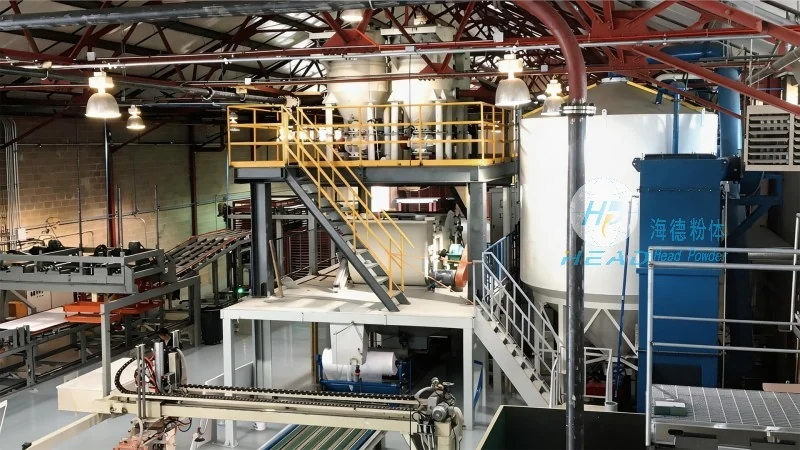
Proper installation and regular maintenance are vital to the long-term performance of a PTFE pneumatic conveying system. The system should be installed in a clean, well-ventilated environment to minimize the risk of contamination. HeadPowder emphasizes the importance of regular inspections and maintenance to identify and address any issues before they become major problems. This includes checking for leaks in the air system, inspecting the conveying line for signs of wear or damage, and cleaning the system components as needed. The company provides comprehensive maintenance services to ensure that the system operates at peak efficiency and extends its service life. Regular maintenance also helps to prevent material buildup in the hopper and feeder, which can affect the system's performance and increase the risk of clogging.

 Công ty TNHH Kỹ thuật Công trình Bột Hải Đức Sơn Đông
 156-6277-7102(Quản lý Trương)
  0531-83386006
  Quận Chương Khâu, Thành phố Tế Nam, Tỉnh Sơn Đông, Trung Quốc
Điện thoại
WeChatTư vấn
Lên đầu