Công ty Hải Đức Bột với hơn 10 năm kinh nghiệm vận chuyển khí, cung cấp hệ thống‑thiết bị‑quạt gió và nhận dự án tổng thầu bột cả nước
HeadPowder, a leading engineering firm based in Shandong, China, specializes in providing tailored solutions for the gas-solid transport of lithium-ion battery anode materials. The design of an efficient and reliable gas-solid transport system is crucial for optimizing the production process of lithium-ion batteries, ensuring material integrity and operational safety.
Understanding the Characteristics of Lithium-Ion Battery Anode Materials
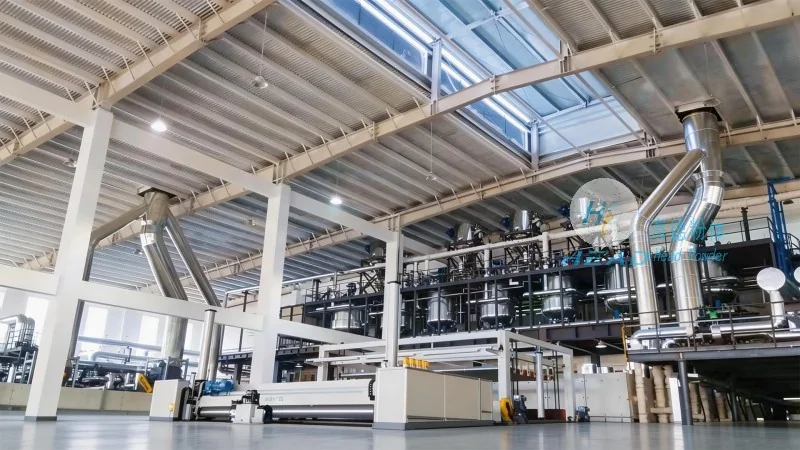
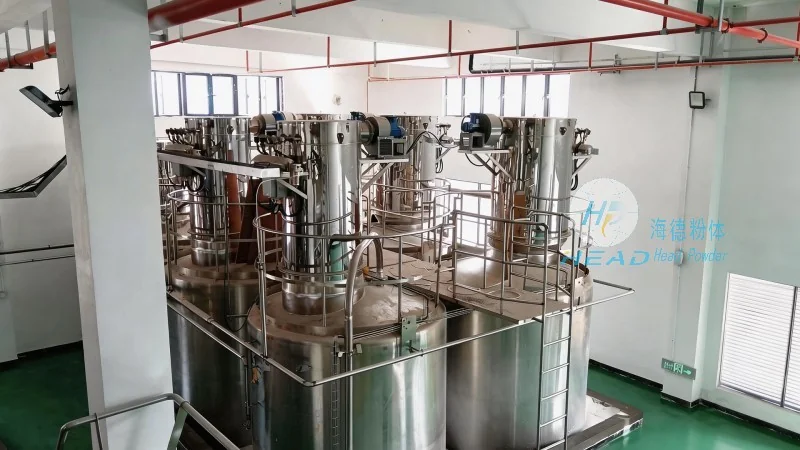
Lithium-ion battery anode materials, such as graphite, silicon-based compounds, and other advanced carbon materials, exhibit unique properties that influence the design of their transport systems. These materials often have fine particle sizes, varying densities, and specific surface areas, which can affect flowability, dust generation, and handling efficiency. For instance, graphite anodes are typically produced as powders with particle sizes ranging from a few microns to tens of microns, requiring systems that can handle fine powders without excessive clogging or loss. Silicon-based anodes, on the other hand, may have higher reactivity and require more robust containment to prevent oxidation or degradation during transport.
The Advantages of Gas-Solid Transport Systems for Battery Materials
Gas-solid transport systems, including pneumatic conveying and fluidized bed transport, offer several advantages over traditional mechanical conveying methods for lithium-ion battery anode materials. These systems provide a closed-loop environment, minimizing dust exposure and environmental contamination, which is critical for maintaining material purity and compliance with industrial safety standards. Additionally, gas-solid transport can achieve high transport rates and long-distance delivery with lower energy consumption compared to bulk handling methods. The flexibility of these systems allows for adaptation to varying material properties and production scales, making them suitable for both small-scale research and large-scale manufacturing.
Key Design Considerations for a Reliable Gas-Solid Transport System
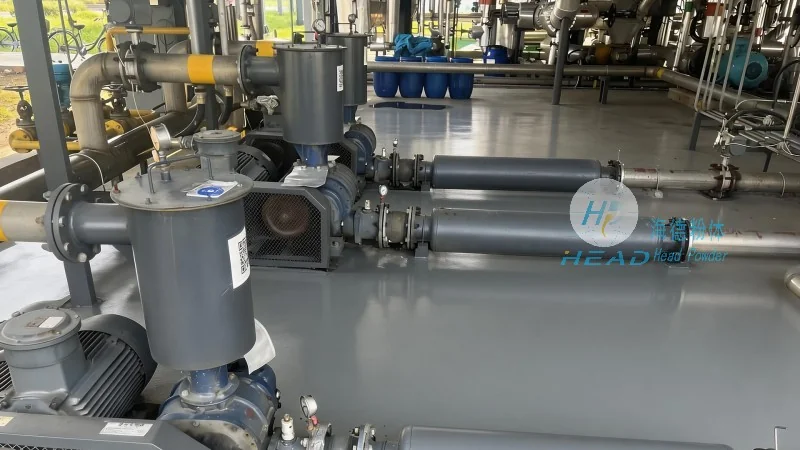
Designing a reasonable gas-solid transport system for lithium-ion battery anode materials involves several critical considerations to ensure optimal performance and safety. First, the material's physical properties, such as particle size distribution, density, and moisture content, must be thoroughly analyzed to select the appropriate conveying method and equipment. For example, dense and coarse materials may benefit from positive pressure systems, while fine and light powders are better suited for negative pressure or dilute phase systems. Second, the required transport capacity and distance must be determined based on production throughput and plant layout, as these factors directly impact the system's design parameters, including air flow rates, pipe diameter, and pressure drop. Third, the system's energy efficiency and operational costs are key factors, as they affect long-term sustainability and profitability. Engineers must balance performance with cost-effectiveness by selecting energy-efficient components and optimizing system operation. Fourth, safety considerations, including explosion prevention, dust control, and material containment, are paramount. Lithium-ion battery anode materials can be flammable or reactive under certain conditions, so the system must incorporate appropriate safety measures, such as explosion-proof designs, dust collection systems, and emergency shutdown procedures.
HeadPowder's Customized Solutions for Gas-Solid Transport Systems
HeadPowder Engineering Co., Ltd., with its headquarters in Shandong, China, offers comprehensive and customized solutions for the gas-solid transport of lithium-ion battery anode materials. The company's engineering team leverages advanced technology and industry expertise to design systems that meet the specific needs of clients, whether they are manufacturers of battery cells, anode material producers, or research institutions. HeadPowder's approach involves a systematic process: first, conducting a detailed analysis of the material properties and production requirements; second, selecting the most suitable conveying technology, such as dilute phase pneumatic conveying, dense phase pneumatic conveying, or fluidized bed transport; third, designing the system layout, including the location of feeders, hoppers, conveying lines, and receiving equipment; fourth, specifying the equipment components, including blowers, filters, cyclones, and control systems; and fifth, providing installation, commissioning, and maintenance services to ensure the system operates at peak efficiency. The company's solutions are tailored to address challenges such as material segregation, clogging, and dust management, ensuring consistent material quality and reliable operation. HeadPowder's commitment to quality and customer satisfaction is reflected in its adherence to international standards and continuous improvement of its designs. By partnering with HeadPowder, clients can enhance their production efficiency, reduce operational costs, and improve the overall safety of their battery material handling processes.
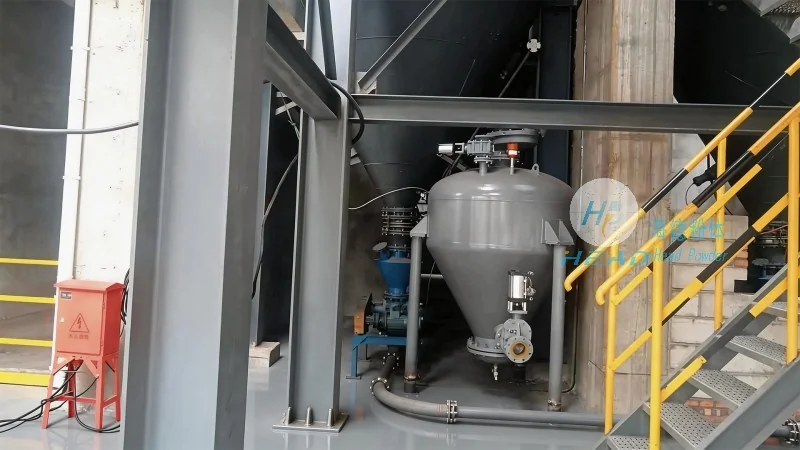
Conclusion: Optimizing Lithium-Ion Battery Production with Advanced Gas-Solid Transport
In conclusion, the design of a reasonable gas-solid transport system is essential for the efficient and safe handling of lithium-ion battery anode materials. By understanding the unique characteristics of these materials and considering key design factors, manufacturers can select and implement systems that maximize performance, minimize costs, and ensure compliance with safety regulations. HeadPowder Engineering Co., Ltd., based in Shandong, China, provides expert guidance and customized solutions to help clients achieve these goals, leveraging its experience and technical capabilities to deliver reliable and effective gas-solid transport systems for the lithium-ion battery industry.

 Công ty TNHH Kỹ thuật Công trình Bột Hải Đức Sơn Đông
 156-6277-7102(Quản lý Trương)
  0531-83386006
  Quận Chương Khâu, Thành phố Tế Nam, Tỉnh Sơn Đông, Trung Quốc
Điện thoại
WeChatTư vấn
Lên đầu