Công ty Hải Đức Bột với hơn 10 năm kinh nghiệm vận chuyển khí, cung cấp hệ thống‑thiết bị‑quạt gió và nhận dự án tổng thầu bột cả nước
When it comes to selecting and implementing a pneumatic conveying system, especially one that utilizes PTFE (polytetrafluoroethylene) components, the design process requires careful consideration of material properties, operational efficiency, and long-term reliability. PTFE is renowned for its exceptional chemical resistance, low friction, and thermal stability, making it an ideal choice for handling a wide range of powders and granules in industrial applications. However, designing a system that maximizes these benefits while minimizing operational costs and maintenance needs demands a systematic approach.
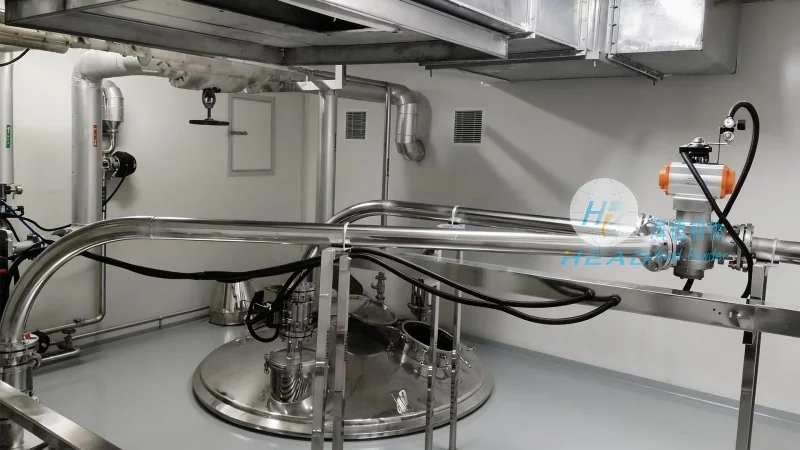
Understanding the Core Principles of PTFE Pneumatic Conveying
At the heart of any PTFE pneumatic conveying system is the balance between air velocity, pressure, and material characteristics. The system’s design must account for the specific properties of the material being conveyed—such as particle size, density, and flowability—as well as the desired conveying distance and throughput. PTFE components, including pipes, valves, and fittings, are chosen for their ability to resist corrosion and abrasion, ensuring consistent performance over time. A well-designed system not only enhances material handling efficiency but also reduces downtime and maintenance expenses.
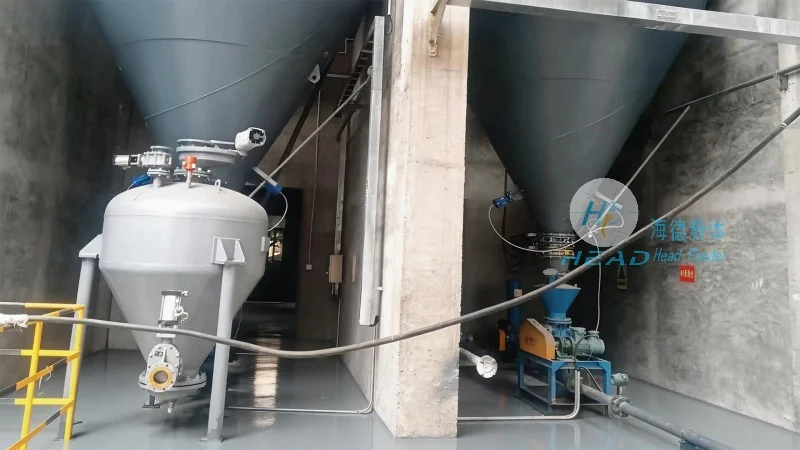
Key Design Considerations for PTFE Pneumatic Conveying Systems
Several critical factors must be addressed during the design phase. First, the selection of the appropriate conveying method—such as dilute phase or dense phase—depends on the material’s characteristics and the required transport distance. Dilute phase systems use higher air velocities to transport particles in a dispersed state, while dense phase systems employ lower velocities and higher pressure to move material in a slurry-like state. The choice of method directly impacts energy consumption and system complexity. Second, the sizing of the conveying line and air compressor must be optimized to match the material’s flow rate and the system’s pressure requirements. Under-sizing can lead to blockages and increased pressure drops, while over-sizing may result in unnecessary energy waste. Third, the integration of PTFE components, such as flexible hoses and check valves, is crucial for accommodating material variations and ensuring smooth operation. These components must be compatible with the system’s pressure and temperature ranges to prevent degradation or failure.
Role of HeadPowder in PTFE Pneumatic Conveying System Design
Shandong HeadPowder Engineering Co., Ltd., a leading provider in the field, specializes in designing and manufacturing PTFE-based pneumatic conveying systems tailored to meet the unique needs of various industries. With a deep understanding of PTFE’s properties and decades of experience in material handling, HeadPowder offers comprehensive solutions that enhance operational efficiency and reduce long-term costs. The company’s team of engineers works closely with clients to assess their specific requirements, from material characteristics to production capacity, and develops customized system designs that optimize performance and reliability. By leveraging advanced engineering techniques and high-quality PTFE components, HeadPowder ensures that each system is built to withstand the demands of industrial environments while maintaining compliance with safety and environmental standards.
Addressing Common Challenges in PTFE Pneumatic Conveying
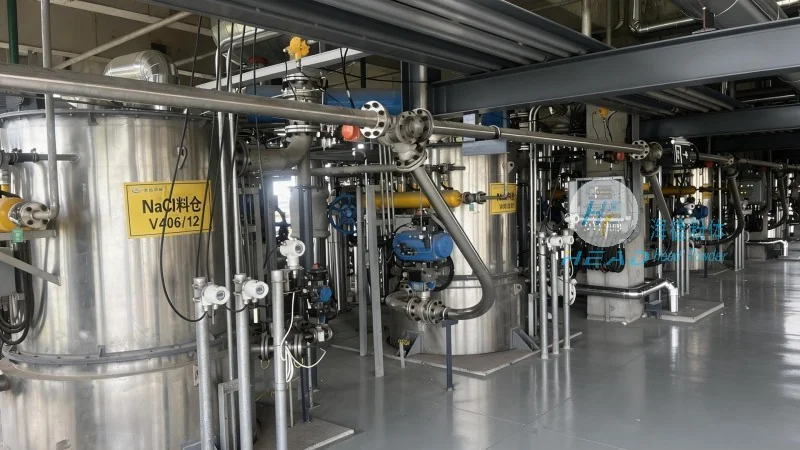
Despite the advantages of PTFE, designing a system that performs optimally can present challenges. One common issue is the potential for material buildup or blockages in the conveying line, particularly with cohesive or sticky powders. To mitigate this, HeadPowder incorporates features such as pulsation control and anti-static measures into their designs. Pulsation control helps maintain consistent air flow, preventing material accumulation, while anti-static components reduce the risk of static discharge, which can cause material agglomeration or equipment damage. Another challenge is maintaining system efficiency over time, as wear and tear on components can lead to increased pressure drops and energy consumption. HeadPowder addresses this by using high-quality PTFE materials and durable construction, ensuring that components last longer and require less frequent replacement. Additionally, the company provides ongoing support and maintenance services to help clients maximize the lifespan and performance of their systems.
Conclusion: The Importance of a Well-Designed PTFE Pneumatic Conveying System
Designing a reasonable PTFE pneumatic conveying system is a complex but essential process that requires expertise in material science, fluid dynamics, and industrial engineering. By carefully considering the material properties, operational requirements, and component selection, companies can achieve efficient, reliable, and cost-effective material handling solutions. Shandong HeadPowder Engineering Co., Ltd. stands as a trusted partner in this process, offering tailored designs and high-quality components that meet the demands of modern industrial applications. With their commitment to innovation and customer satisfaction, HeadPowder helps businesses optimize their material handling processes and improve overall operational performance.

 Công ty TNHH Kỹ thuật Công trình Bột Hải Đức Sơn Đông
 156-6277-7102(Quản lý Trương)
  0531-83386006
  Quận Chương Khâu, Thành phố Tế Nam, Tỉnh Sơn Đông, Trung Quốc
Điện thoại
WeChatTư vấn
Lên đầu