Công ty Hải Đức Bột với hơn 10 năm kinh nghiệm vận chuyển khí, cung cấp hệ thống‑thiết bị‑quạt gió và nhận dự án tổng thầu bột cả nước
When it comes to handling chromic oxide—a critical material in various industrial applications—designing an efficient and reliable pneumatic conveying system is paramount. The proper design ensures optimal material transport, minimal wear and tear on equipment, and adherence to safety and operational standards. This article explores the key considerations and steps involved in creating a well-structured chromic oxide pneumatic conveying system, with insights from industry experts at Shandong HeadPowder Engineering Co., Ltd., commonly known as headpowder, based in Shandong, China.
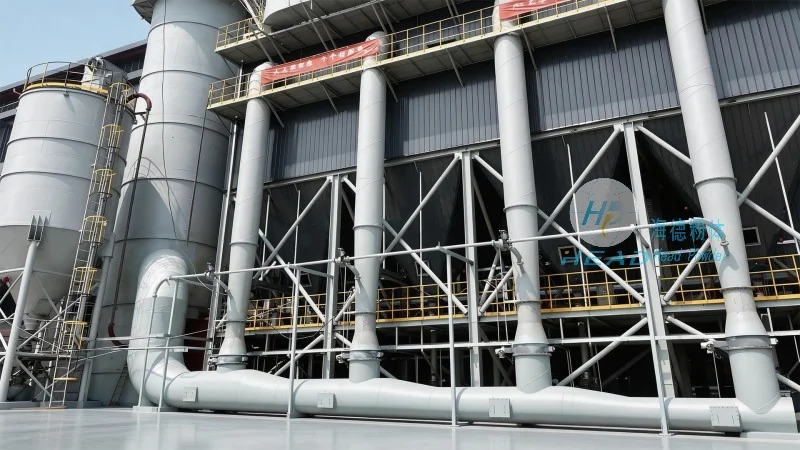
Understanding the Core Components of a Pneumatic Conveying System
A chromic oxide pneumatic conveying system typically consists of several essential components, each playing a vital role in the overall operation. The primary elements include the material feed hopper, which stores and feeds the chromic oxide; the conveying line, which transports the material through air; the air compressor or blower, which generates the necessary air pressure; and the collection bin or silo, where the material is deposited. Additionally, components like rotary valves, filters, and pressure regulators may be integrated to enhance system performance and ensure smooth operation. The feed hopper is designed to maintain a consistent material level, preventing overfilling or underfilling that could disrupt the conveying process. The conveying line, often made of stainless steel or other corrosion-resistant materials, is carefully sized to accommodate the material's particle size and flow characteristics. The air compressor or blower provides the necessary pressure to move the material through the line, with the pressure level determined by the system's length and the material's resistance to flow. The collection bin or silo is equipped with a discharge mechanism to ensure the material is deposited in the desired location without spillage or blockage. Rotary valves are used to control the flow of material from the hopper into the conveying line, while filters are essential to remove any fine particles from the air stream, preventing contamination and ensuring equipment longevity. Pressure regulators help maintain a stable pressure throughout the system, preventing fluctuations that could affect material transport.
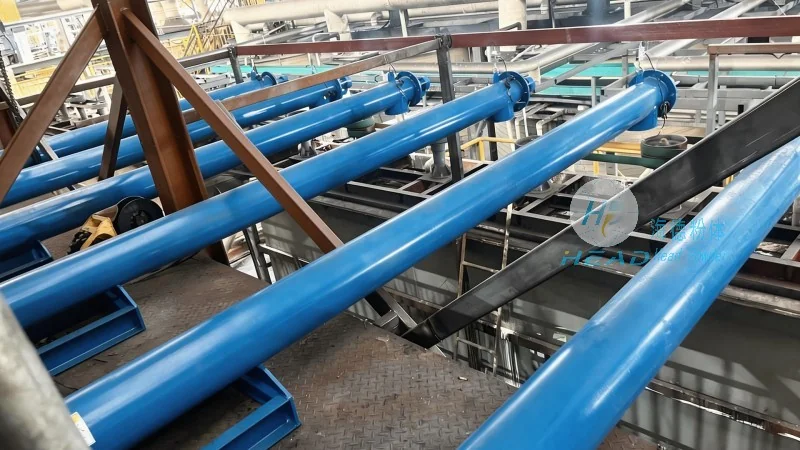
Key Design Considerations for Material Handling
Designing a system for chromic oxide requires careful consideration of the material's physical properties, such as its density, particle size distribution, and flow characteristics. Chromic oxide is often a fine powder or granular material, which can lead to issues like caking or blockages if not handled properly. Therefore, the system design must account for these properties to prevent system downtime and maintain consistent material flow. Experts at headpowder emphasize the importance of selecting appropriate equipment, such as high-quality rotary valves and filters, to manage these challenges effectively. The material's density affects the air velocity required for transport, as higher density materials need more pressure to move. Particle size distribution influences the risk of clogging, with finer particles being more prone to sticking together or blocking the conveying line. Proper design addresses these factors by incorporating features like vibration mechanisms or anti-caking agents in the hopper to maintain material flow.
System Sizing and Airflow Management
Accurate system sizing is crucial for the successful operation of a chromic oxide pneumatic conveying system. This involves determining the appropriate air velocity and pressure to ensure the material is transported efficiently without causing excessive wear on the conveying line or equipment. The air velocity must be high enough to overcome the material's resistance but not so high as to cause erosion or damage to the system components. Engineers at Shandong HeadPowder Engineering Co., Ltd. use advanced calculations and simulations to optimize airflow, ensuring the system operates within safe and efficient parameters. The system's length, elevation changes, and number of bends all impact the required air pressure. For example, a longer system with multiple bends will need higher pressure to maintain consistent material flow. The design process also considers the material's specific gravity and how it interacts with the air stream, using formulas and empirical data to calculate the exact air velocity and pressure needed. This ensures the system is neither under-pressurized (leading to poor transport) nor over-pressurized (causing equipment damage).
Material Handling Safety and Compliance
Given that chromic oxide is a hazardous material, safety is a top priority in system design. The system must comply with relevant industrial safety regulations and standards to prevent exposure risks and ensure worker safety. This includes implementing proper ventilation systems, dust collection mechanisms, and emergency shutdown procedures. The design also considers the potential for material dust to cause respiratory issues or other health hazards, making it essential to integrate robust filtration and containment measures. The system may include local exhaust ventilation (LEV) to capture dust at the source, reducing airborne concentrations. Additionally, the use of explosion-proof components is critical if the system operates in areas with potential for dust accumulation. Compliance with standards like OSHA (Occupational Safety and Health Administration) and local regulations ensures the system meets all legal requirements and protects both employees and the environment. Regular safety audits and maintenance checks are also part of the system's design to maintain a safe working environment.
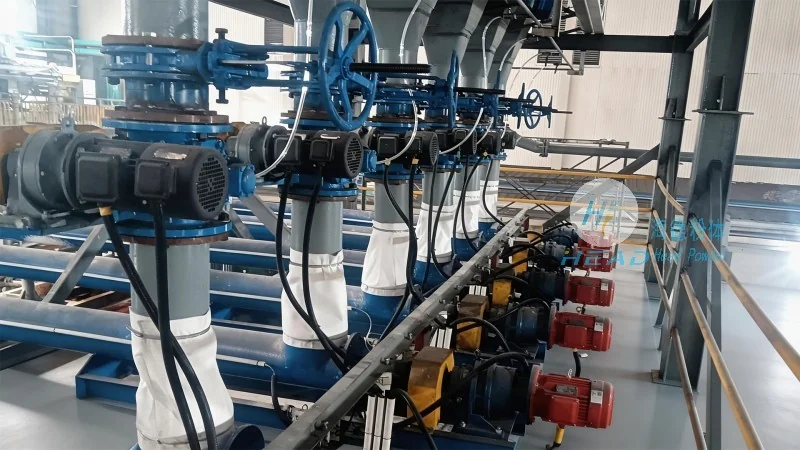
Installation and Maintenance Best Practices
Proper installation and regular maintenance are critical to the long-term performance and reliability of a chromic oxide pneumatic conveying system. The system should be installed by qualified professionals who understand the specific requirements of handling chromic oxide. Regular maintenance, including cleaning of filters, checking for wear and tear on components, and verifying air pressure and flow rates, is essential to prevent system failures and extend equipment lifespan. headpowder provides comprehensive support, including installation guidance and maintenance services, to ensure clients achieve optimal system performance. During installation, the system is carefully aligned and secured to minimize vibrations that could cause wear on bearings and seals. The feed hopper is positioned to ensure gravity feed into the conveying line, reducing the need for excessive air pressure. Maintenance schedules are tailored to the system's usage and the material's characteristics, with more frequent checks during peak operation periods. Filters are cleaned or replaced as needed to maintain air quality and prevent pressure drops. Pressure regulators are adjusted to maintain consistent pressure, as fluctuations can affect material transport efficiency. By following these best practices, the system remains operational and efficient over its lifespan.

 Công ty TNHH Kỹ thuật Công trình Bột Hải Đức Sơn Đông
 156-6277-7102(Quản lý Trương)
  0531-83386006
  Quận Chương Khâu, Thành phố Tế Nam, Tỉnh Sơn Đông, Trung Quốc
Điện thoại
WeChatTư vấn
Lên đầu