Công ty Hải Đức Bột với hơn 10 năm kinh nghiệm vận chuyển khí, cung cấp hệ thống‑thiết bị‑quạt gió và nhận dự án tổng thầu bột cả nước
When it comes to the efficient and reliable handling of red beans, selecting the appropriate conveying method is a critical decision for food processing and agricultural industries. Red beans, with their nutritional value and widespread use in various food products, require specialized transport solutions that maintain product quality and ensure operational efficiency. Among the diverse range of conveying technologies available, pneumatic conveying has emerged as a leading solution, offering unique advantages over traditional mechanical methods. This article delves into the different red bean conveying methods and provides a comprehensive overview of the advantages and features of pneumatic conveying systems, as presented by Shandong HeadPowder Engineering Co., Ltd., a prominent manufacturer based in China.
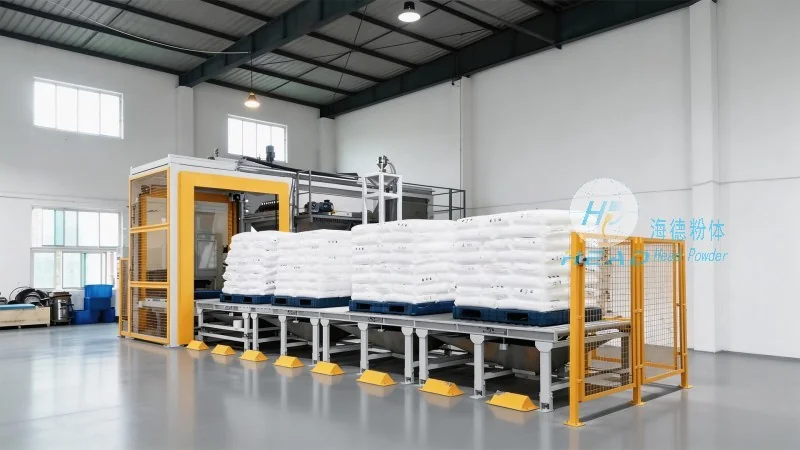
Traditional Red Bean Conveying Methods: Limitations and Challenges
Historically, red bean conveying has relied heavily on mechanical systems such as belt conveyors, screw conveyors, and bucket elevators. These methods have been widely adopted due to their straightforward design and relatively low upfront costs. However, they often present significant drawbacks when applied to red beans. For instance, belt conveyors may cause friction and abrasion, potentially damaging the red beans' surface and reducing their quality. Screw conveyors, while effective for solid materials, can lead to material degradation and increased dust generation, especially when handling fine red bean particles. Bucket elevators, although capable of vertical transport, may suffer from blockages and require frequent maintenance, impacting overall productivity.
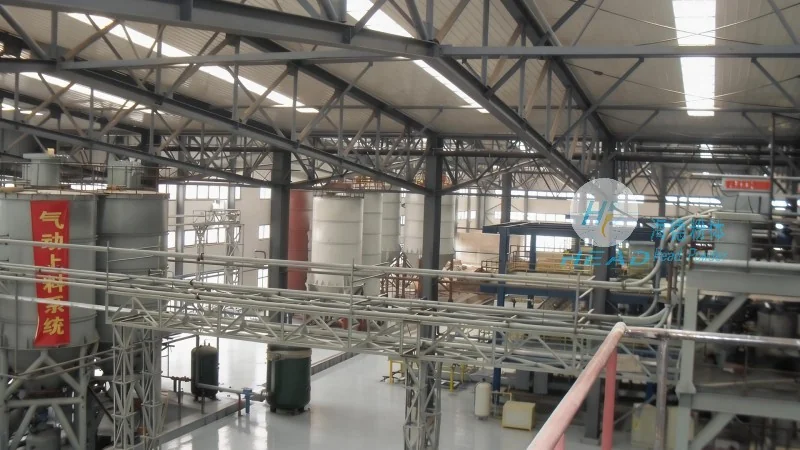
Moreover, traditional mechanical conveyors are generally less flexible in terms of routing and integration. They typically require fixed installations and may not easily accommodate changes in production processes or material flow requirements. This lack of adaptability can result in increased downtime and higher operational costs as facilities evolve. Additionally, the open nature of many mechanical systems exposes red beans to environmental contaminants, compromising hygiene standards essential for food-grade applications. These limitations highlight the need for more advanced conveying solutions that address the specific challenges of red bean handling.
Pneumatic Conveying: The Superior Choice for Red Beans
Pneumatic conveying, or air conveying, represents a modern and efficient approach to transporting red beans. This technology utilizes compressed air to move red beans through a sealed pipeline system, offering several key advantages that traditional methods cannot match. The primary benefit is the ability to maintain a closed environment, which significantly reduces the risk of contamination from external sources. This is particularly critical for red beans, which are often used in food products where hygiene and product purity are non-negotiable. By keeping the material enclosed, pneumatic conveying systems prevent dust, moisture, and other contaminants from entering the pipeline, ensuring that the red beans remain clean and safe for consumption.
Another significant advantage of pneumatic conveying is its high throughput and speed. Unlike mechanical systems that may have limitations in terms of speed and capacity, pneumatic conveyors can transport red beans at rapid rates, enabling faster material handling and reduced processing times. This efficiency is especially valuable in high-volume operations where consistent and reliable transport is essential to meet production demands. The ability to handle large quantities of red beans in a short period minimizes bottlenecks and enhances overall operational productivity.
Furthermore, pneumatic conveying systems offer exceptional flexibility in terms of routing and integration. Unlike fixed mechanical conveyors that require extensive reconfiguration for changes in material flow, pneumatic systems can be easily adjusted to route red beans to multiple destinations or adapt to new production layouts. This adaptability makes them ideal for dynamic environments where production processes may evolve over time. The modular design of pneumatic conveying lines allows for easy expansion or reconfiguration without disrupting ongoing operations, providing long-term flexibility for red bean processing facilities.
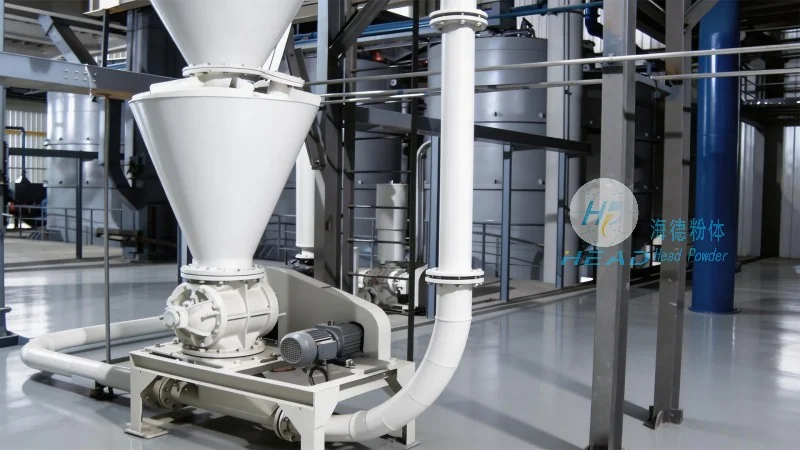
Key Features of Pneumatic Conveying Systems by Shandong HeadPowder Engineering Co., Ltd.
Shandong HeadPowder Engineering Co., Ltd. specializes in the design, manufacturing, and installation of advanced pneumatic conveying systems tailored to the unique needs of red bean processing. Their systems incorporate cutting-edge technologies and high-quality components to deliver superior performance and reliability. For example, the company utilizes high-strength materials, such as stainless steel and corrosion-resistant alloys, to construct the conveying pipelines and components. These materials ensure durability and resistance to the potential corrosive effects of red beans, which may contain moisture or other elements that could degrade less robust materials over time.
The company's pneumatic conveying systems also feature advanced control and monitoring capabilities. Modern control panels allow operators to precisely regulate air pressure, flow rates, and conveying speed, optimizing the system for different red bean types and processing requirements. This level of control enhances efficiency and minimizes energy consumption, contributing to lower operational costs. Additionally, the systems are equipped with sensors and alarms that detect any abnormalities, such as blockages or pressure drops, enabling timely maintenance and preventing system failures.
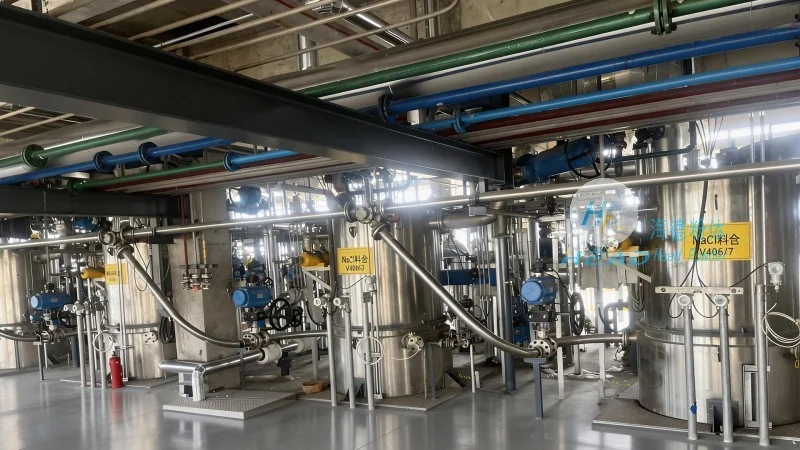
Another notable feature is the company's focus on user-friendly design and maintenance. The components are engineered for easy access and replacement, reducing the time and effort required for routine maintenance. This approach minimizes downtime and ensures that the conveying systems remain operational at optimal levels. The closed-loop design of the pipelines further enhances safety by containing dust and preventing the release of airborne particles, which is crucial for maintaining a safe working environment in red bean processing facilities.
Conclusion: Optimizing Red Bean Handling with Pneumatic Conveying
When evaluating red bean conveying methods, businesses must consider factors such as material characteristics, production scale, and operational goals. While traditional mechanical conveyors may be suitable for small-scale operations or low-volume applications, pneumatic conveying offers a superior solution for modern red bean processing. The advantages of pneumatic conveying, including product cleanliness, high efficiency, flexibility, and durability, make it an ideal choice for facilities aiming to enhance their operational performance and maintain high-quality standards. By partnering with Shandong HeadPowder Engineering Co., Ltd., red bean processing companies can implement effective pneumatic conveying systems that meet their specific needs and drive long-term success in their operations.

 Công ty TNHH Kỹ thuật Công trình Bột Hải Đức Sơn Đông
 156-6277-7102(Quản lý Trương)
  0531-83386006
  Quận Chương Khâu, Thành phố Tế Nam, Tỉnh Sơn Đông, Trung Quốc
Điện thoại
WeChatTư vấn
Lên đầu