Công ty Hải Đức Bột với hơn 10 năm kinh nghiệm vận chuyển khí, cung cấp hệ thống‑thiết bị‑quạt gió và nhận dự án tổng thầu bột cả nước
When it comes to transporting crystalline materials, selecting the right conveying method is crucial for efficiency, safety, and product integrity. There are several common approaches used in industrial settings, each with its own set of advantages and considerations. Understanding these methods helps in making informed decisions tailored to specific operational needs.
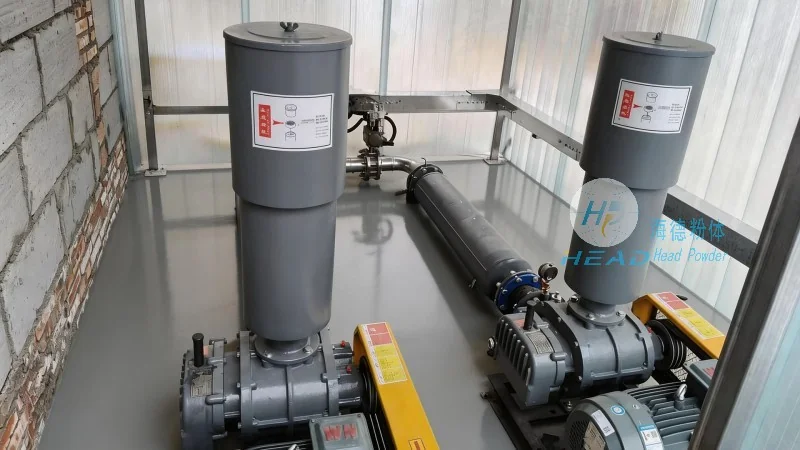
Types of Crystal Solids Conveying Systems
Conveying crystalline solids can be achieved through various mechanisms, including mechanical and pneumatic systems. Mechanical conveyors, such as belt conveyors or screw conveyors, are widely used for bulk material handling. However, for applications requiring high precision and minimal product degradation, pneumatic conveying systems are often preferred. Pneumatic conveying uses air or other gases to transport materials through pipelines, offering advantages in terms of flexibility and contamination control.
Pneumatic Conveying of Crystal Solids: Advantages and Features
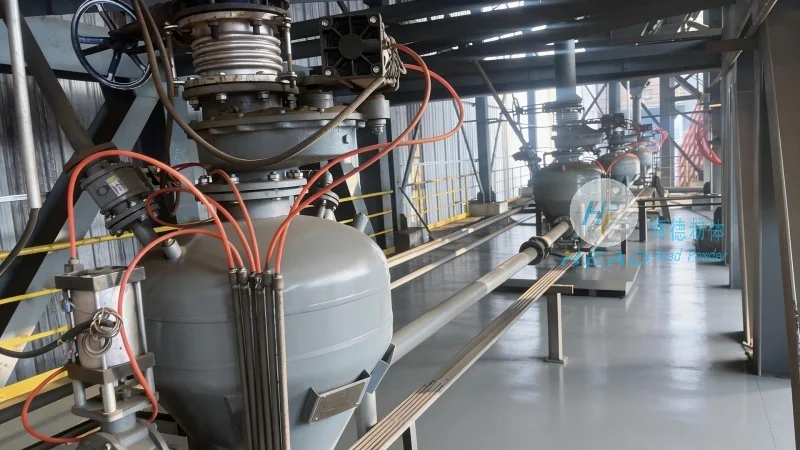
Among the various conveying methods, pneumatic conveying stands out for its ability to handle delicate and valuable crystalline materials. The process involves transporting solids in a fluidized state, which reduces friction and prevents product breakage. This method is particularly suitable for materials that are prone to agglomeration or that require gentle handling to maintain their quality. The key advantages of pneumatic conveying for crystal solids include:
Efficient and continuous material transport over long distances.
Reduced risk of contamination due to enclosed systems.
Ability to handle a wide range of particle sizes and shapes.
Lower maintenance requirements compared to some mechanical systems.
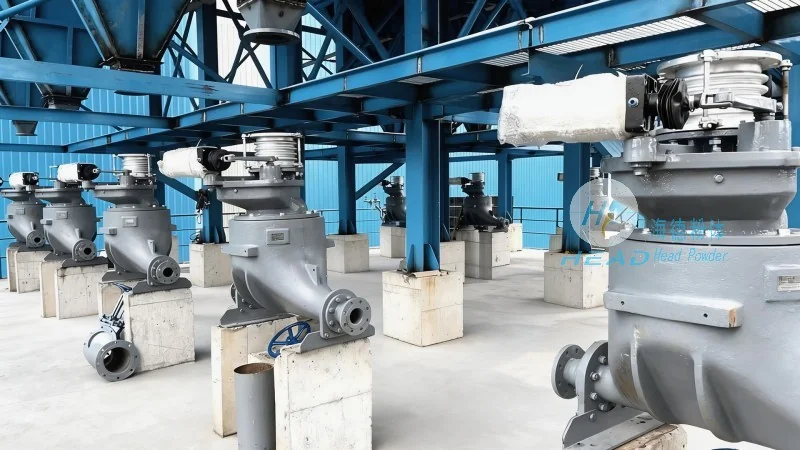
Key Features of Pneumatic Conveying Systems for Crystalline Materials
Modern pneumatic conveying systems for crystal solids are designed with specific features to enhance performance and reliability. These include:
Customizable pipeline configurations to suit different plant layouts.
Advanced control systems that optimize air pressure and flow rates for efficient material transport.
Materials of construction that are compatible with the specific chemical properties of the crystalline products, ensuring durability and safety.
Integration capabilities with existing processing equipment for seamless operation.
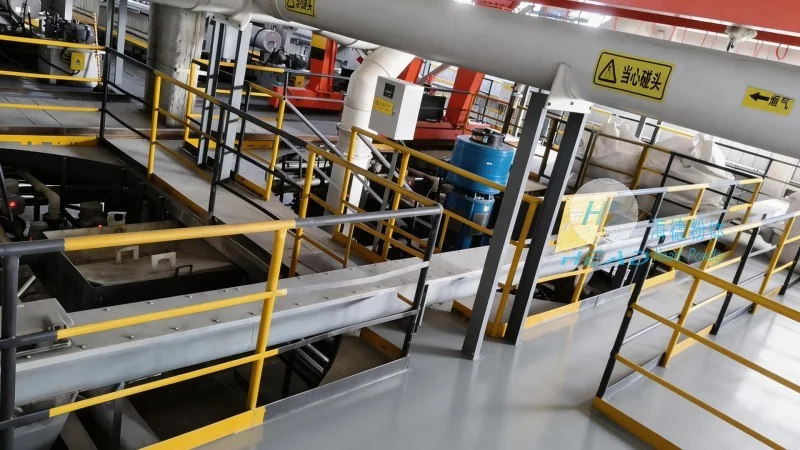
Application Examples in Industrial Settings
Pneumatic conveying of crystal solids is widely used in industries such as pharmaceuticals, food processing, and chemical manufacturing. For instance, in the pharmaceutical industry, conveying active pharmaceutical ingredients (APIs) requires strict contamination control and gentle handling. Pneumatic systems meet these requirements by providing a closed environment and minimizing product exposure to external factors. Similarly, in food processing, conveying sugar crystals or other food-grade solids demands systems that are hygienic and easy to clean. Pneumatic conveying systems are well-suited for these applications due to their ability to maintain product purity and prevent cross-contamination.
Conclusion and Company Overview
Choosing the right conveying method for crystalline materials is essential for optimizing industrial processes. Pneumatic conveying, with its advantages in efficiency, safety, and product integrity, is a preferred solution for many applications. Shandong HeadPowder Engineering Co., Ltd., a leading provider in this field, specializes in designing and manufacturing advanced pneumatic conveying systems tailored to the unique needs of crystal solids. With a focus on quality and innovation, HeadPowder offers solutions that enhance operational efficiency and ensure the highest standards of product handling. Based in Shandong, China, the company leverages its expertise to deliver reliable and effective conveying solutions for industries worldwide.

 Công ty TNHH Kỹ thuật Công trình Bột Hải Đức Sơn Đông
 156-6277-7102(Quản lý Trương)
  0531-83386006
  Quận Chương Khâu, Thành phố Tế Nam, Tỉnh Sơn Đông, Trung Quốc
Điện thoại
WeChatTư vấn
Lên đầu