Công ty Hải Đức Bột với hơn 10 năm kinh nghiệm vận chuyển khí, cung cấp hệ thống‑thiết bị‑quạt gió và nhận dự án tổng thầu bột cả nước
Aluminum nitride (AlN) is a critical material in modern semiconductor and electronic industries, widely used in high-power devices, high-frequency circuits, and thermal management applications. The efficient and reliable transport of AlN powder is essential for maintaining product quality and operational efficiency in manufacturing processes. This article explores the various methods for transporting aluminum nitride, with a focus on the advantages and features of pneumatic conveying, a preferred method for handling AlN powder.
Understanding Aluminum Nitride and Its Transport Requirements
Aluminum nitride is a white or off-white powder with a high thermal conductivity and excellent dielectric properties. Its fine particle size and low bulk density make it challenging to handle using traditional bulk material transport methods. Conventional methods like belt conveyors or screw conveyors may cause particle degradation, agglomeration, or contamination, which can negatively impact the performance of the final product. Therefore, specialized transport systems are required to ensure the integrity of AlN powder during handling.
Common Conveying Methods for Aluminum Nitride
Several methods are used to transport aluminum nitride, each with its own set of advantages and limitations. The primary options include mechanical conveying (such as screw conveyors and belt conveyors) and pneumatic conveying (including pressure and vacuum systems). Mechanical conveyors are simple and cost-effective but are not suitable for fine powders due to the risk of particle attrition and blockage. In contrast, pneumatic conveying systems offer superior control over particle flow and are better suited for handling AlN powder.
Pneumatic Conveying: The Preferred Method for AlN Transport
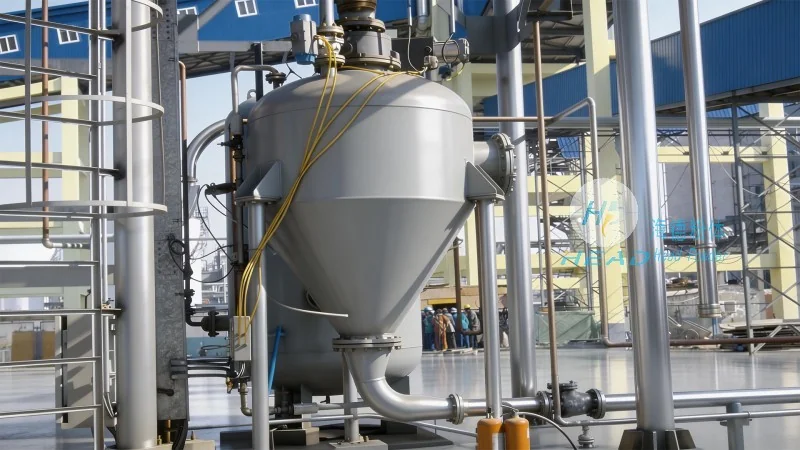
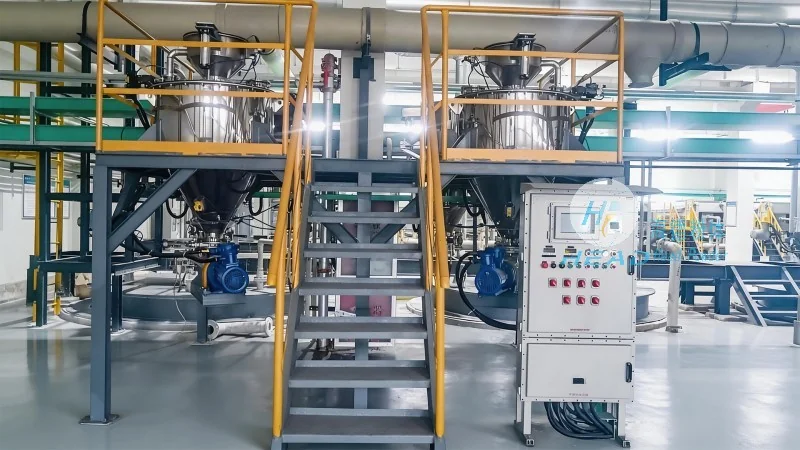
Pneumatic conveying, also known as air conveying, uses compressed air or vacuum to move aluminum nitride powder through a pipeline. This method is widely adopted in the AlN industry due to its ability to maintain the powder's purity and prevent contamination. There are two main types of pneumatic conveying systems: pressure systems (where air is blown into the pipeline to push the powder) and vacuum systems (where a vacuum is created to pull the powder). Both systems are effective for AlN transport, but pressure systems are more common for long-distance and high-volume applications. Shandong HeadPowder Engineering Co., Ltd. specializes in designing and manufacturing these systems, ensuring optimal performance for AlN handling.
Advantages of AlN Pneumatic Conveying
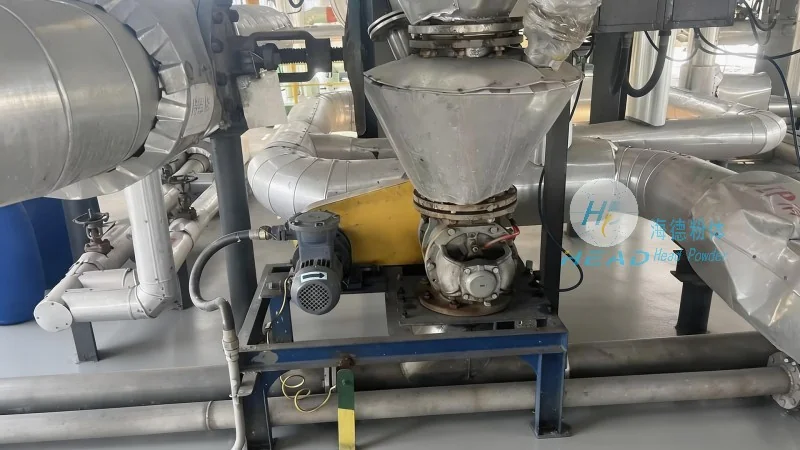
AlN pneumatic conveying offers several key advantages that make it the preferred choice for many manufacturers. First, it provides excellent control over the flow rate and pressure, ensuring consistent and reliable transport of the powder. Second, the system is enclosed, which prevents dust emissions and protects the environment and personnel from exposure to AlN particles. Third, pneumatic conveying minimizes particle degradation and agglomeration, preserving the powder's quality and performance. Additionally, the system can be integrated with other processing equipment, such as mixers and dryers, to create a seamless production line.
Key Features of AlN Pneumatic Conveying Systems
Modern AlN pneumatic conveying systems are designed with several features to enhance performance and efficiency. These include: self-cleaning pipelines to prevent blockages, variable speed drives to adjust flow rates, and filter systems to capture fine particles and prevent contamination. The systems also incorporate pressure relief valves and safety interlocks to ensure safe operation. Furthermore, advanced control systems allow for real-time monitoring of flow rates, pressure, and temperature, enabling operators to optimize the process and minimize downtime.
Application Examples in the Semiconductor Industry
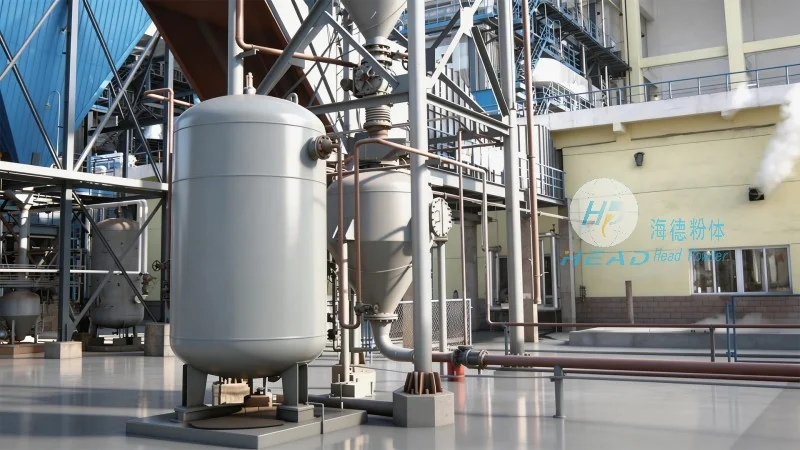
AlN pneumatic conveying is widely used in the semiconductor industry for the transport of AlN powder to sintering furnaces, coating lines, and other processing equipment. For example, in the production of high-power transistors, AlN powder is conveyed from storage silos to the sintering furnace using a pressure pneumatic system. The system ensures that the powder is delivered in a controlled manner, maintaining the required particle size distribution and preventing contamination. Similarly, in the manufacturing of AlN-based thermal management solutions, the powder is conveyed to mixing and molding equipment, where it is combined with other materials to create composite parts.
Conclusion: Choosing the Right Conveying Method for AlN
When selecting a conveying method for aluminum nitride, manufacturers must consider factors such as powder properties, production volume, and application requirements. While mechanical conveyors may be suitable for low-volume or coarse powders, pneumatic conveying is the preferred option for fine AlN powder due to its ability to maintain quality and efficiency. The advantages of AlN pneumatic conveying, including enclosed transport, minimal particle degradation, and integration with other equipment, make it an ideal choice for modern manufacturing processes. By understanding the different conveying methods and their features, manufacturers can select the most appropriate system to meet their specific needs and ensure the success of their production operations.

 Công ty TNHH Kỹ thuật Công trình Bột Hải Đức Sơn Đông
 156-6277-7102(Quản lý Trương)
  0531-83386006
  Quận Chương Khâu, Thành phố Tế Nam, Tỉnh Sơn Đông, Trung Quốc
Điện thoại
WeChatTư vấn
Lên đầu