Công ty Hải Đức Bột với hơn 10 năm kinh nghiệm vận chuyển khí, cung cấp hệ thống‑thiết bị‑quạt gió và nhận dự án tổng thầu bột cả nước
Ammonium nitrate (NH4NO3) is a widely used chemical compound in various industries, including agriculture, explosives, and industrial applications. The efficient and safe transportation of this material is crucial for maintaining production efficiency and ensuring operational safety. There are several methods for transporting ammonium nitrate, with each having its own set of advantages and limitations. This article will explore the different transport methods available and focus on the benefits and characteristics of pneumatic conveying as a primary option.
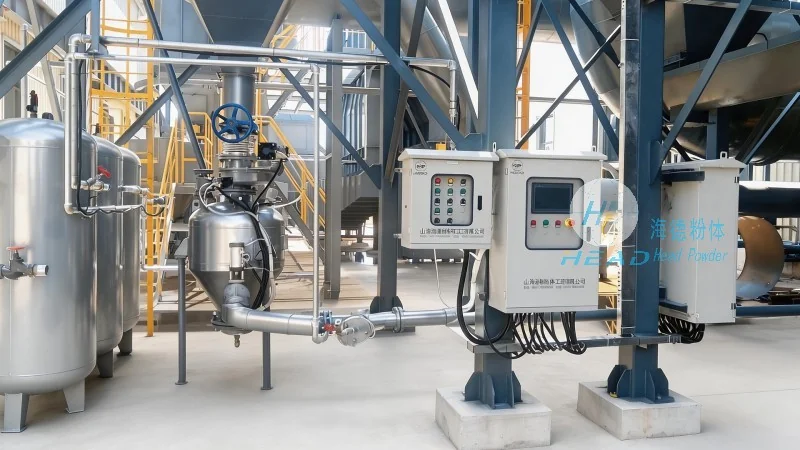
Common Ammonium Nitrate Transport Methods
Before delving into the specifics of pneumatic conveying, it's important to understand the various transport methods used for ammonium nitrate. Traditional methods include bulk trucks, railcars, and conveyor systems. Bulk trucks are commonly used for short to medium-distance transport, while railcars are suitable for longer distances and larger quantities. Conveyor systems, such as belt conveyors or screw conveyors, are often employed in industrial settings for internal material handling. Each of these methods has its own operational considerations, including cost, speed, and the need for specialized equipment.
Pneumatic Conveying: A Detailed Overview
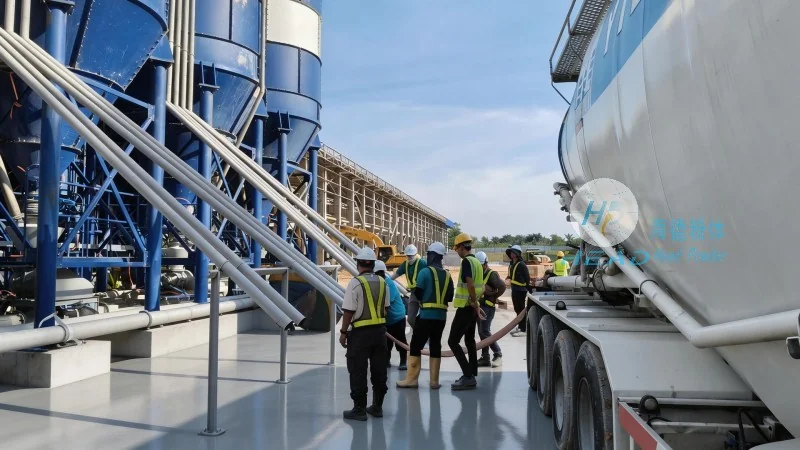
Pneumatic conveying is a technology that uses compressed air or other gases to transport solid materials like ammonium nitrate through a pipeline system. This method offers several advantages over traditional bulk transport methods. One of the key benefits is the ability to transport materials over long distances with minimal loss and high efficiency. The system can be designed to handle different particle sizes and moisture content, making it versatile for various applications. Additionally, pneumatic conveying systems can be integrated with other processing equipment, allowing for a more streamlined production process.
Advantages of Pneumatic Conveying for Ammonium Nitrate
When considering the advantages of pneumatic conveying for ammonium nitrate transport, several key benefits stand out. First, the system provides a dust-free environment, which is critical for maintaining product quality and ensuring workplace safety. Unlike bulk trucks or railcars, pneumatic conveying does not expose the material to the elements or external contaminants, reducing the risk of degradation or contamination. Second, the process is highly efficient in terms of energy consumption and operational speed. The use of compressed air allows for rapid material movement, reducing downtime and increasing overall productivity. Third, the system is flexible and can be easily scaled to accommodate changes in production volume. This adaptability makes it suitable for both small-scale and large-scale operations.
Key Features of Pneumatic Conveying Systems
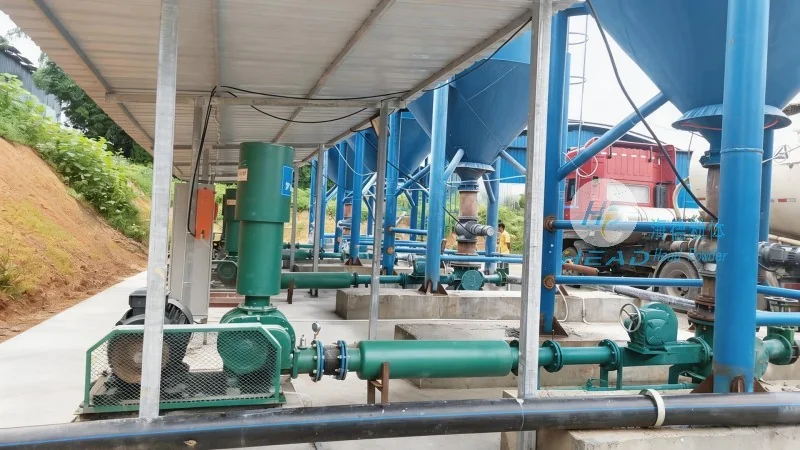
Modern pneumatic conveying systems for ammonium nitrate often incorporate advanced features to enhance performance and reliability. These systems typically include components such as air compressors, material feeders, pipeline networks, and dust collection units. The air compressor provides the necessary pressure to move the material through the system, while the material feeder ensures a consistent flow rate. The pipeline network is designed to minimize pressure loss and maintain the material's integrity. Dust collection units are essential for maintaining air quality and complying with environmental regulations. These features work together to create a reliable and efficient transport solution.
Application Examples in the Industry
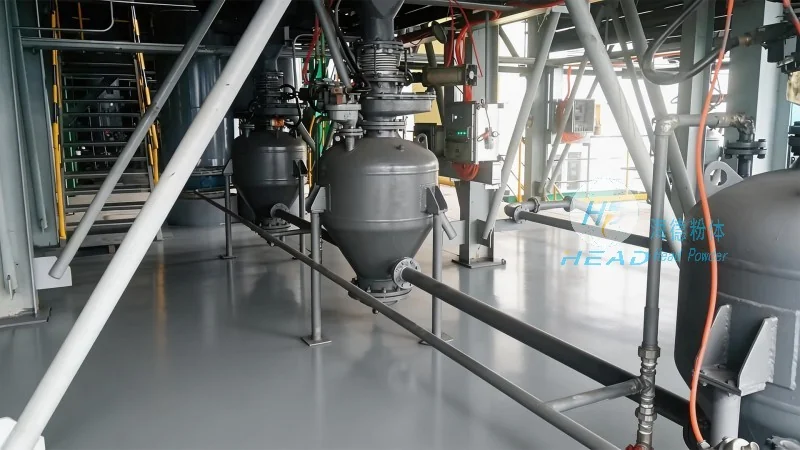
The application of pneumatic conveying for ammonium nitrate is widespread across various industries. In the agricultural sector, it is used to transport fertilizer-grade ammonium nitrate from storage facilities to application equipment. In the explosives industry, the material is conveyed to mixing and loading stations with precision and safety. Industrial manufacturers also utilize pneumatic conveying systems to transport ammonium nitrate for use in chemical processes and production lines. These applications highlight the versatility and reliability of pneumatic conveying as a preferred transport method.
Conclusion
In conclusion, the choice of transport method for ammonium nitrate depends on various factors, including distance, quantity, and operational requirements. While traditional methods like bulk trucks and railcars remain relevant, pneumatic conveying offers significant advantages in terms of efficiency, safety, and flexibility. As a leading provider in the field, Shandong HeadPowder Engineering Co., Ltd. specializes in designing and manufacturing advanced pneumatic conveying systems tailored to the specific needs of ammonium nitrate transport. With a focus on innovation and quality, the company ensures that its solutions meet the highest standards of performance and reliability, supporting the efficient and safe operation of ammonium nitrate handling processes.

 Công ty TNHH Kỹ thuật Công trình Bột Hải Đức Sơn Đông
 156-6277-7102(Quản lý Trương)
  0531-83386006
  Quận Chương Khâu, Thành phố Tế Nam, Tỉnh Sơn Đông, Trung Quốc
Điện thoại
WeChatTư vấn
Lên đầu