Công ty Hải Đức Bột với hơn 10 năm kinh nghiệm vận chuyển khí, cung cấp hệ thống‑thiết bị‑quạt gió và nhận dự án tổng thầu bột cả nước
When it comes to transporting sodium sulfate, various methods are available, each with its own set of advantages and considerations. This article focuses on the key approaches used in the industry, with a particular emphasis on the benefits and characteristics of pneumatic conveying. Understanding the different options helps businesses select the most suitable method for their operational needs, ensuring efficiency, safety, and cost-effectiveness.
About HeadPowder Engineering Co., Ltd.
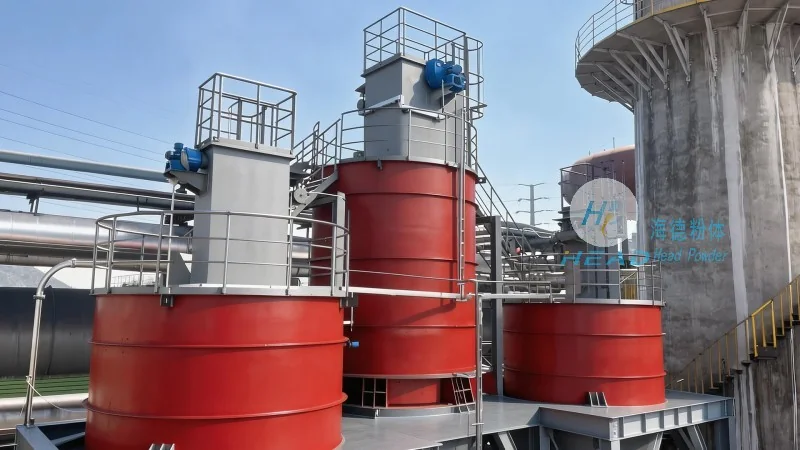
HeadPowder, a leading provider in the field, specializes in engineering solutions for material handling and transportation. With a strong presence in Shandong, China, the company offers comprehensive services tailored to meet the needs of clients in the chemical and industrial sectors. HeadPowder's expertise lies in designing and implementing advanced systems that optimize material flow, reduce downtime, and enhance overall productivity.
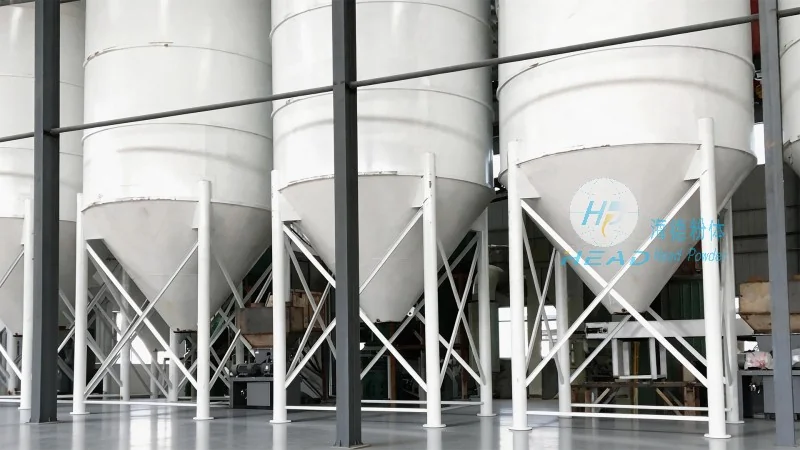
Different Methods of Sodium Sulfate Transportation
Sodium sulfate, also known as Glauber's salt, is commonly transported using several methods. Traditional approaches include gravity flow, where the material is allowed to move down a sloped pipe due to gravity. Mechanical conveyors, such as belt conveyors or screw conveyors, are also widely used for bulk material handling. However, these methods may have limitations in terms of efficiency and safety, especially when dealing with fine powders or in environments requiring dust control. For instance, gravity systems are limited by the slope required and may not be suitable for vertical or long-distance transport. Mechanical conveyors, while effective for certain materials, can suffer from issues like material buildup, wear on components, and the risk of contamination from external sources.
Pneumatic Conveying: An Effective Solution for Sodium Sulfate
Pneumatic conveying stands out as a superior method for transporting sodium sulfate, particularly in applications where dust control, flexibility, and efficiency are critical. This technology uses air pressure to move the material through a pipeline, eliminating the need for mechanical parts that could cause wear and tear or contamination. The process involves creating a flow of air that lifts and transports the powder, ensuring a clean and controlled delivery. Unlike mechanical systems, pneumatic conveying does not require physical contact with the material, reducing the risk of product degradation or contamination from equipment.
Advantages of Pneumatic Conveying for Sodium Sulfate
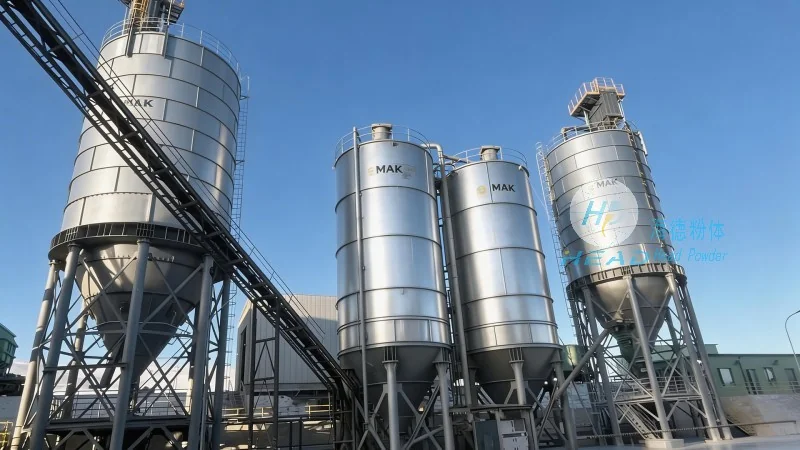
One of the primary advantages of pneumatic conveying is its ability to handle fine powders without causing segregation or agglomeration. The air flow maintains the material in a suspended state, preventing clumping and ensuring consistent flow rates. This is crucial for sodium sulfate, which is often used in applications where uniform particle size is essential, such as in the production of detergents, glass, or paper. Additionally, pneumatic systems offer high flexibility, allowing for changes in the transportation route without major modifications to the infrastructure. This adaptability is valuable for businesses that may need to adjust their production processes or expand their operations.
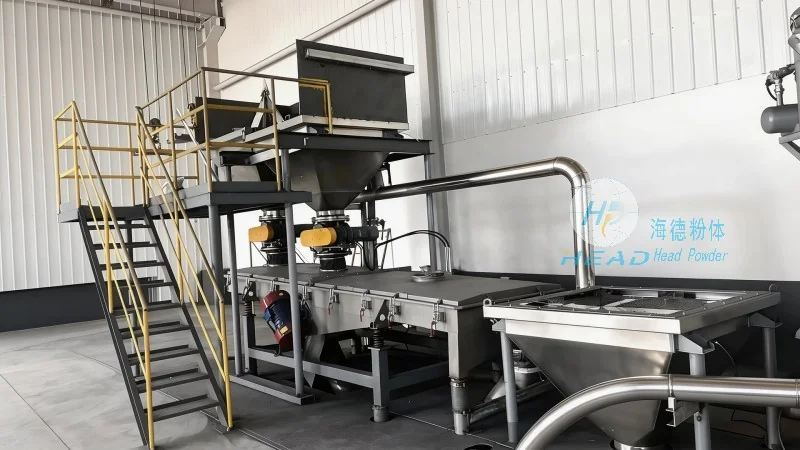
Key Features of Pneumatic Conveying Systems
Modern pneumatic conveying systems for sodium sulfate are designed with several key features that enhance performance and reliability. These include positive displacement blowers or rotary lobe pumps that provide consistent air pressure, ensuring reliable material transport. The systems also incorporate dust collection and filtration components to maintain air quality and comply with environmental regulations. Furthermore, the use of flexible hoses and adjustable valves allows for precise control over the flow rate, enabling operators to adjust the system based on the specific requirements of the process. This level of control helps optimize energy consumption and reduces operational costs.
Conclusion: Choosing the Right Transportation Method
When selecting a transportation method for sodium sulfate, businesses should consider factors such as material characteristics, operational requirements, and environmental regulations. While traditional methods like gravity and mechanical conveyors have their place, pneumatic conveying offers significant advantages in terms of efficiency, flexibility, and safety. By leveraging the benefits of pneumatic systems, companies can improve their overall operational performance and ensure the consistent delivery of high-quality sodium sulfate to their customers.

 Công ty TNHH Kỹ thuật Công trình Bột Hải Đức Sơn Đông
 156-6277-7102(Quản lý Trương)
  0531-83386006
  Quận Chương Khâu, Thành phố Tế Nam, Tỉnh Sơn Đông, Trung Quốc
Điện thoại
WeChatTư vấn
Lên đầu