Công ty Hải Đức Bột với hơn 10 năm kinh nghiệm vận chuyển khí, cung cấp hệ thống‑thiết bị‑quạt gió và nhận dự án tổng thầu bột cả nước
When it comes to dye handling and transportation, selecting the right conveying method is crucial for efficiency, safety, and cost-effectiveness. Dyes are often used in various industries such as textiles, printing, and chemical manufacturing, and their proper transport requires specialized equipment and techniques. This article explores common dye conveying methods, with a focus on the advantages and applications of pneumatic conveying systems.
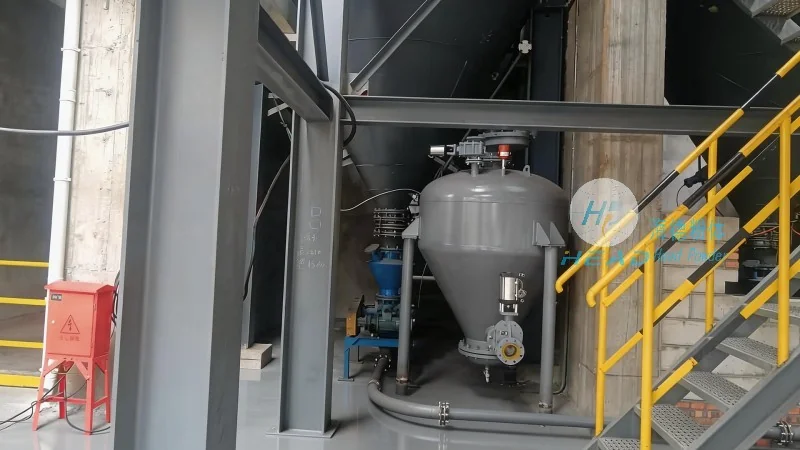
Overview of Dye Conveying Methods
Dye conveying involves moving dye powders or granules from one location to another within a production facility. Traditional methods include mechanical conveyors like screw conveyors, belt conveyors, and bucket elevators. However, these systems may face challenges with dusty environments, material segregation, and the risk of contamination. Modern solutions, particularly pneumatic conveying, offer more flexible and efficient alternatives for handling sensitive dye products.
Pneumatic Conveying: A Preferred Solution for Dye Transport
Pneumatic conveying uses air or other gases to transport materials through a pipeline system. This method is ideal for dye applications due to its ability to handle fine powders without causing particle degradation or cross-contamination. The system typically consists of a hopper, a blower or compressor, and a pipeline network that directs the dye to the destination point. There are two main types of pneumatic conveying: pressure and vacuum systems.
Pressure Pneumatic Conveying Systems
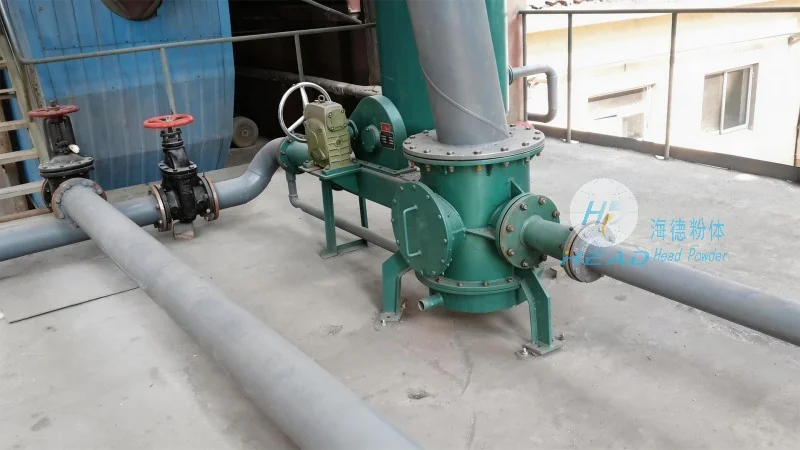
Pressure pneumatic conveying operates by forcing air or gas into the material to create a positive pressure that moves the dye through the pipeline. This method is suitable for short to medium-distance transport and can handle a wide range of particle sizes. The system includes a storage hopper, a pressure vessel, and a control valve that regulates the flow rate. The pressure system is efficient for high-volume applications and can maintain consistent flow rates, making it a popular choice in dye manufacturing plants.
Vacuum Pneumatic Conveying Systems
Vacuum pneumatic conveying, on the other hand, uses a vacuum pump to create a negative pressure that draws the dye from the source into the pipeline. This method is ideal for long-distance transport and can handle materials that are difficult to move under pressure. The system includes a collection hopper, a vacuum pump, and a filter to remove any airborne particles. Vacuum conveying is often used in applications where the dye needs to be transported from multiple points to a central processing unit, such as in large-scale textile production facilities.
Advantages of Pneumatic Conveying for Dyes
Compared to traditional mechanical conveyors, pneumatic conveying offers several advantages for dye transport. First, it minimizes material degradation by reducing friction and impact during transport. Dyes are sensitive to moisture and temperature changes, and pneumatic systems can maintain controlled conditions to preserve product quality. Second, the enclosed pipeline system prevents dust and airborne particles from contaminating the environment, ensuring a clean and safe working environment. Third, pneumatic conveying is flexible and can be easily integrated with other production processes, allowing for automated material handling and reduced labor costs.
Application Examples in Dye Manufacturing
HeadPowder Engineering Co., Ltd., a leading provider of industrial conveying solutions, specializes in designing and manufacturing pneumatic conveying systems tailored to the needs of dye manufacturers. The company, based in Shandong, China, has extensive experience in handling various types of dyes, including acid dyes, direct dyes, and reactive dyes. Their systems are engineered to meet the specific requirements of each application, ensuring optimal performance and reliability.
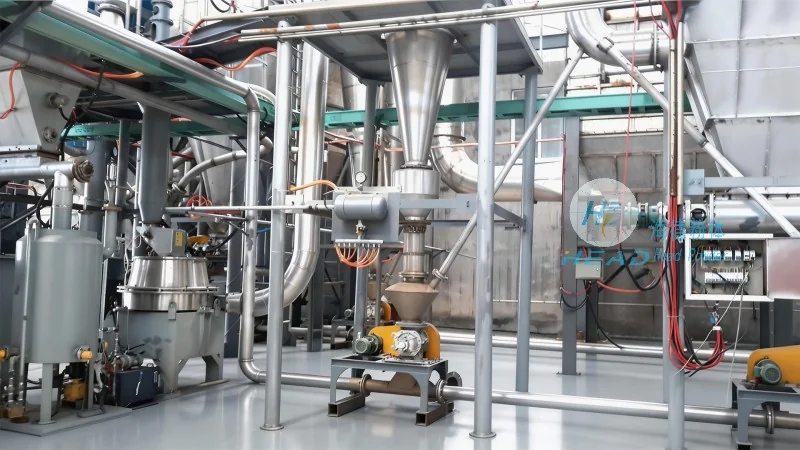
Key Features of HeadPowder's Dye Conveying Solutions
HeadPowder's pneumatic conveying systems for dyes are designed with several key features to enhance efficiency and safety. The systems use high-quality materials such as stainless steel and food-grade components to prevent corrosion and contamination. The equipment is equipped with advanced control systems that allow for precise flow rate adjustment and real-time monitoring of the conveying process. Additionally, the company provides comprehensive maintenance and support services to ensure the longevity and performance of their systems.
Conclusion
In conclusion, pneumatic conveying is a highly effective method for transporting dyes in industrial settings. Its advantages in terms of efficiency, safety, and product quality make it a preferred choice over traditional mechanical conveyors. Companies like HeadPowder Engineering Co., Ltd. play a crucial role in providing specialized solutions that meet the unique needs of dye manufacturers, ensuring smooth and reliable material handling throughout the production process.

 Công ty TNHH Kỹ thuật Công trình Bột Hải Đức Sơn Đông
 156-6277-7102(Quản lý Trương)
  0531-83386006
  Quận Chương Khâu, Thành phố Tế Nam, Tỉnh Sơn Đông, Trung Quốc
Điện thoại
WeChatTư vấn
Lên đầu