Công ty Hải Đức Bột với hơn 10 năm kinh nghiệm vận chuyển khí, cung cấp hệ thống‑thiết bị‑quạt gió và nhận dự án tổng thầu bột cả nước
When it comes to efficiently handling and transporting oats, selecting the right conveying method is crucial for optimizing production processes and ensuring product quality. Various techniques are available, each with its own advantages and applications. This article provides an overview of common oat conveying methods, with a focus on the benefits and functionality of pneumatic conveying systems.
Understanding Oat Handling and Conveying
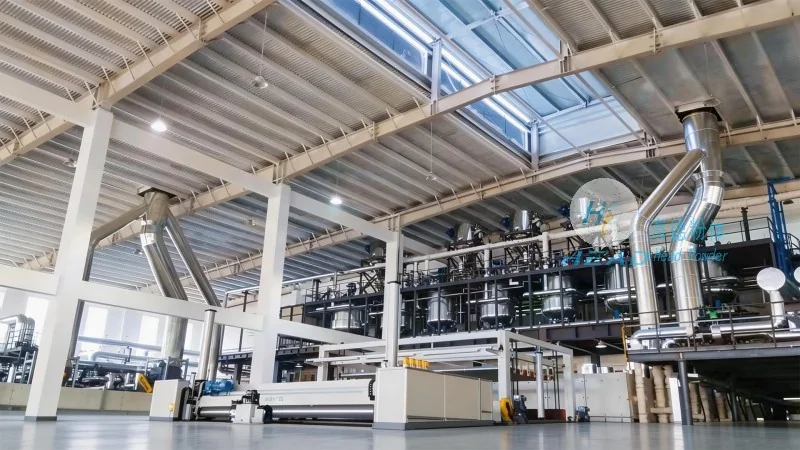
Oats are a versatile grain used in a wide range of products, from breakfast cereals to animal feed. The process of moving oats from storage to processing equipment requires reliable and efficient systems. Traditional methods like bucket elevators and belt conveyors have been widely used, but modern applications increasingly favor pneumatic conveying for its flexibility and ability to handle fine or delicate materials like oats.
Pneumatic Conveying Systems for Oats
Pneumatic conveying uses air or other gases to transport bulk materials through a pipeline. For oats, this method offers several key advantages. First, it minimizes product contamination and damage, as the material is not in direct contact with metal surfaces or subjected to high impact forces. Second, it allows for enclosed systems, which help maintain hygiene standards and prevent dust dispersion. Third, pneumatic conveyors can handle both dry and moist oats, adapting to different production needs.
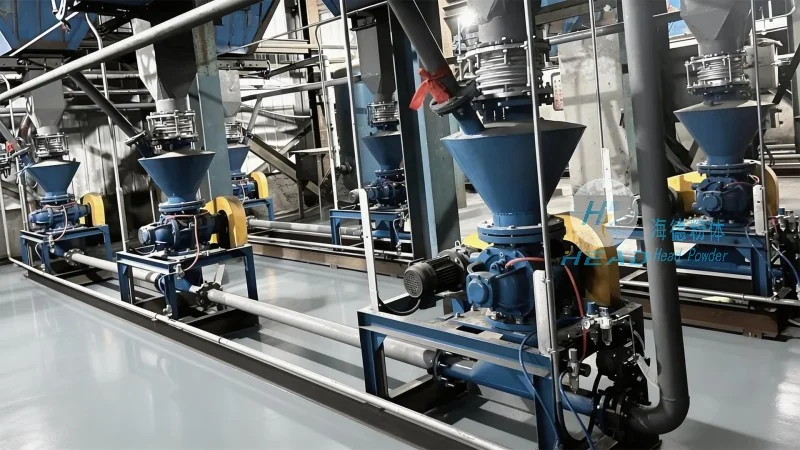
Components of an Oat Pneumatic Conveying System
An effective oat pneumatic conveying system typically includes several key components. The main elements are the hopper, where oats are stored and fed into the system; the air compressor, which generates the necessary air pressure; the conveying line, which transports the oats; and the receiver, where the material is deposited at the processing location. Additionally, components like filters, cyclones, and rotary valves may be included to ensure efficient operation and maintain system cleanliness.
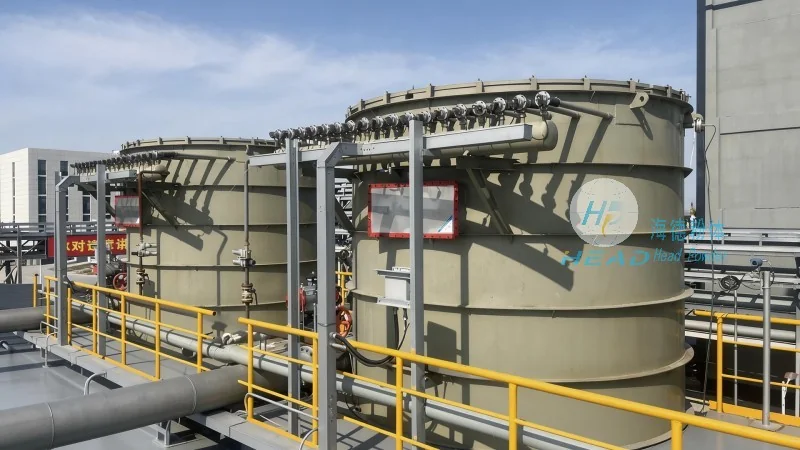
Advantages of Oat Pneumatic Conveying
Compared to traditional mechanical conveyors, pneumatic systems offer distinct benefits for oat handling. They are more flexible, allowing for changes in material flow direction and system layout. This adaptability is particularly valuable in dynamic production environments where processes may need to be adjusted frequently. Furthermore, pneumatic conveying can reduce labor costs by automating the material transport process, and it often requires less maintenance due to fewer moving parts compared to mechanical systems.
Applications in Oat Processing
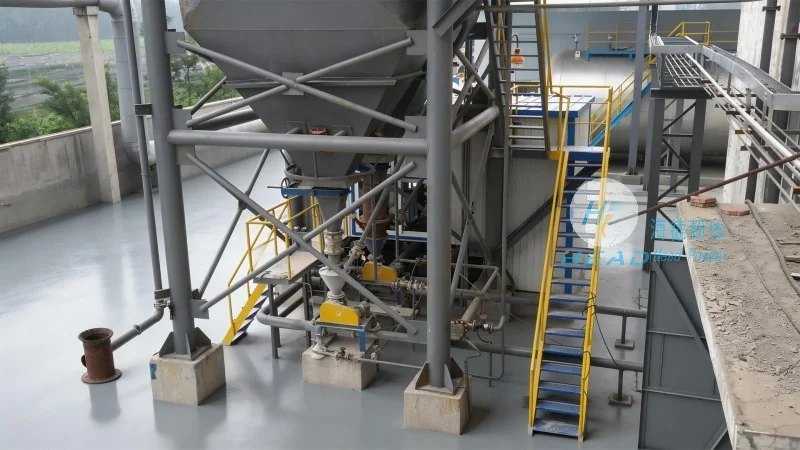
Oat pneumatic conveying is widely used in various stages of oat processing. In storage facilities, it can transfer oats from silos to processing lines. During milling operations, it helps move ground oats to packaging equipment. Even in animal feed production, pneumatic systems efficiently deliver oats to mixing and blending processes. The ability to handle both whole and processed oats makes this technology versatile across different industries.
Choosing the Right Oat Conveying System
When selecting a conveying system for oats, several factors should be considered. The volume of material to be transported, the distance between storage and processing areas, and the required flow rate are all critical. Additionally, the type of oats (e.g., rolled oats, steel-cut oats) and their moisture content will influence the system design. For example, a system designed for dry oats may differ from one intended for moist or high-fat oats. Consulting with experts in material handling can help determine the most suitable solution for specific production needs.
Conclusion
Efficient oat conveying is essential for maintaining productivity and product quality in oat processing facilities. Pneumatic conveying systems, as discussed, offer significant advantages over traditional methods, particularly in terms of flexibility, hygiene, and material protection. By understanding the components and benefits of these systems, manufacturers can make informed decisions to optimize their oat handling processes. For businesses seeking reliable and effective oat conveying solutions, companies like Shandong HeadPowder Engineering Co., Ltd. provide specialized equipment and expertise to meet diverse production requirements.

 Công ty TNHH Kỹ thuật Công trình Bột Hải Đức Sơn Đông
 156-6277-7102(Quản lý Trương)
  0531-83386006
  Quận Chương Khâu, Thành phố Tế Nam, Tỉnh Sơn Đông, Trung Quốc
Điện thoại
WeChatTư vấn
Lên đầu