Công ty Hải Đức Bột với hơn 10 năm kinh nghiệm vận chuyển khí, cung cấp hệ thống‑thiết bị‑quạt gió và nhận dự án tổng thầu bột cả nước
When it comes to handling and transporting mica powder, selecting the right conveying method is crucial for maintaining product quality, efficiency, and operational safety. Mica powder, known for its unique properties such as high thermal stability and electrical insulation, requires specialized equipment and techniques to ensure smooth and effective movement from one location to another. In this article, we explore common mica powder conveying methods, with a focus on the advantages and applications of pneumatic conveying systems.
Understanding Mica Powder and Its Conveying Challenges
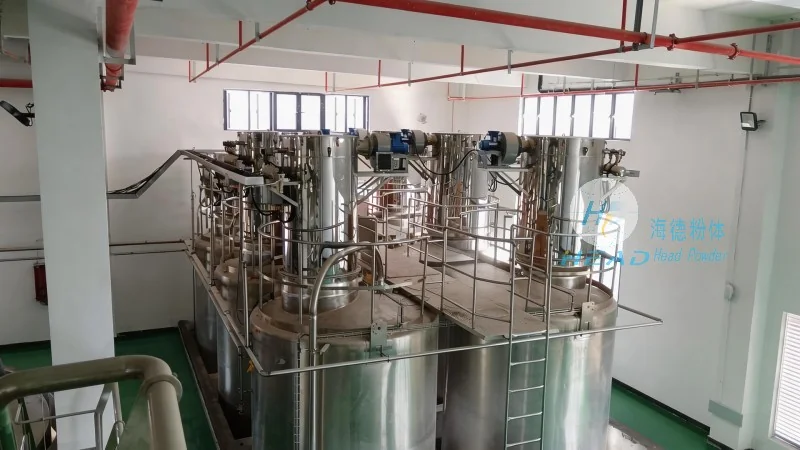
Mica powder is a fine, lightweight material that can present challenges during transportation due to its low bulk density and tendency to create dust. Traditional methods like belt conveyors or screw conveyors may not be suitable for mica powder because they can cause particle degradation, segregation, or excessive wear on equipment. The need for gentle handling and minimal product exposure to air or moisture makes specialized conveying solutions essential for industries that rely on mica powder in their manufacturing processes.
Pneumatic Conveying: A Preferred Method for Mica Powder Transport
Pneumatic conveying, also known as air conveying, is widely regarded as one of the most effective methods for transporting mica powder. This technique uses a stream of air to move the powder through a pipeline system, eliminating the need for mechanical components that could damage the delicate particles. The process involves creating a pressure differential that draws the powder into the conveying line, where it is then transported to the destination. Pneumatic systems can be either pressure or vacuum-based, depending on the specific application and distance requirements.
Key Advantages of Pneumatic Conveying for Mica Powder
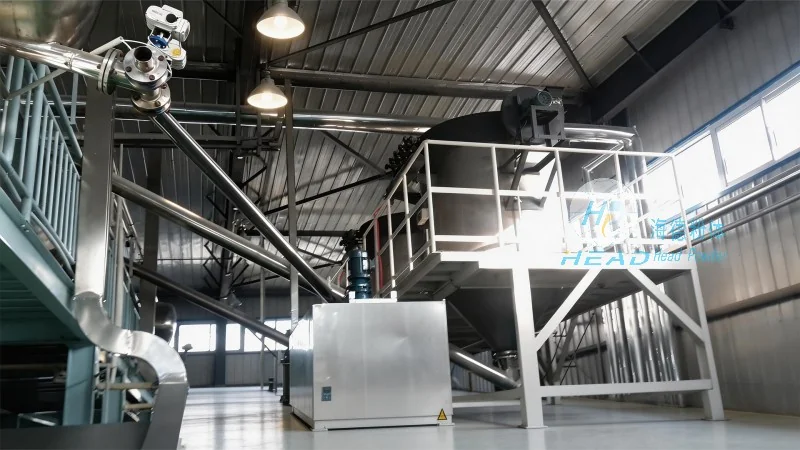
One of the primary benefits of pneumatic conveying for mica powder is its ability to handle fine, abrasive materials without causing degradation. Unlike mechanical conveyors that rely on friction and pressure, pneumatic systems use air to gently transport particles, reducing the risk of breakage or contamination. This method also allows for continuous, automated operation, which improves production efficiency and reduces labor costs. Additionally, pneumatic conveying can be integrated with dust collection systems, ensuring that the process remains clean and compliant with environmental regulations.
Components of a Pneumatic Conveying System for Mica Powder
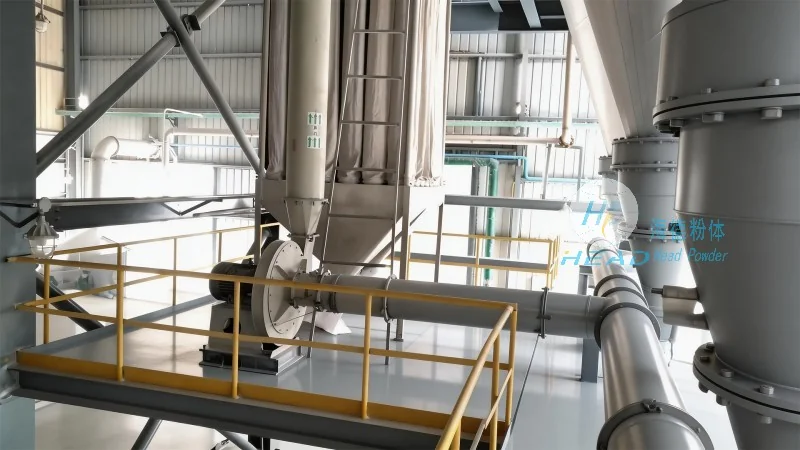
A typical pneumatic conveying system for mica powder consists of several key components, including a feeder, a blower or vacuum pump, a pipeline network, and a receiver or discharge unit. The feeder is responsible for feeding the mica powder into the system, ensuring a consistent flow rate. The blower or vacuum pump provides the necessary air pressure or suction to move the powder through the pipeline. The pipeline network connects the feeder to the discharge point, with appropriate fittings and valves to control the flow. The receiver is where the mica powder is deposited, often equipped with a dust collection system to prevent particle loss.
Applications of Pneumatic Conveying in Mica Powder Processing
Pneumatic conveying is used in various applications within the mica powder processing industry, from raw material handling to finished product distribution. In mining operations, pneumatic systems are used to transport mica ore from the mine to processing facilities. During processing, pneumatic conveyors move mica powder between grinding, classification, and packaging stages. In manufacturing, pneumatic systems can transport mica powder to production lines for use in products such as electrical components, cosmetics, or construction materials. The flexibility of pneumatic conveying makes it suitable for both small-scale and large-scale operations, adapting to different production volumes and distances.
Choosing the Right Pneumatic Conveying Solution for Mica Powder
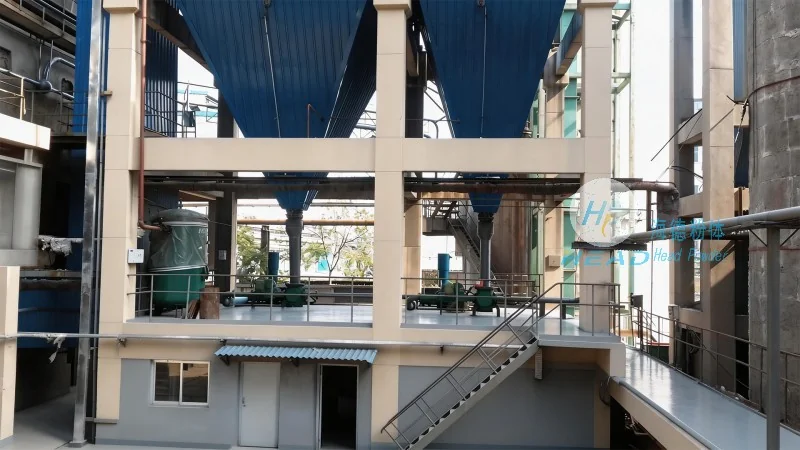
When selecting a pneumatic conveying system for mica powder, several factors must be considered to ensure optimal performance. The first is the distance and layout of the conveying route, as this will determine whether a pressure or vacuum system is more appropriate. The second is the flow rate required, which depends on the production capacity and processing speed. The third is the need for dust control, as mica powder can be a respiratory hazard if not properly contained. Finally, the cost of the system and its maintenance requirements should be evaluated to ensure it aligns with the budget and operational goals of the business.
Conclusion: The Importance of Specialized Conveying for Mica Powder
In conclusion, pneumatic conveying is a highly effective method for transporting mica powder, offering advantages such as gentle handling, high efficiency, and minimal product degradation. By understanding the unique properties of mica powder and the capabilities of pneumatic systems, manufacturers can choose the right conveying solution to meet their operational needs. Companies like Shandong HeadPowder Engineering Co., Ltd., with their expertise in mica powder processing and conveying systems, provide tailored solutions that enhance productivity and ensure product quality. Whether for raw material transport or finished product distribution, pneumatic conveying remains a reliable choice for industries that rely on mica powder in their manufacturing processes.

 Công ty TNHH Kỹ thuật Công trình Bột Hải Đức Sơn Đông
 156-6277-7102(Quản lý Trương)
  0531-83386006
  Quận Chương Khâu, Thành phố Tế Nam, Tỉnh Sơn Đông, Trung Quốc
Điện thoại
WeChatTư vấn
Lên đầu