Công ty Hải Đức Bột với hơn 10 năm kinh nghiệm vận chuyển khí, cung cấp hệ thống‑thiết bị‑quạt gió và nhận dự án tổng thầu bột cả nước
Microsilica powder, also known as silica fume, is a fine powder widely used in various industrial applications, including concrete production, refractory materials, and chemical processing. The efficient and reliable transportation of microsilica powder from storage to processing units is crucial for maintaining production efficiency and product quality. Different conveying methods are employed based on the specific requirements of the application, such as material properties, distance, and environmental considerations. This article explores common microsilica powder conveying methods, with a focus on pneumatic conveying systems.
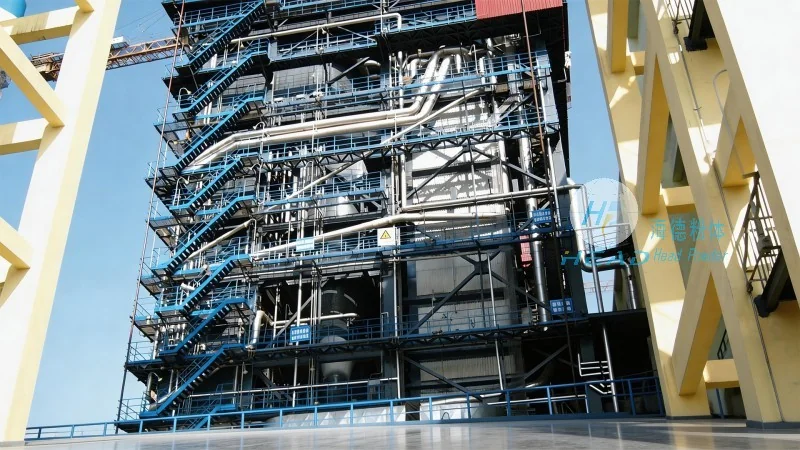
Common Microsilica Powder Conveying Methods
Several methods are utilized for transporting microsilica powder, each with its advantages and limitations. The primary categories include mechanical conveying systems, like screw conveyors and belt conveyors, and pneumatic conveying systems. Mechanical systems are often suitable for short distances and lower material flow rates, while pneumatic systems are preferred for longer distances, higher throughput, and more complex layouts. Additionally, vacuum and pressure pneumatic systems are available, offering flexibility in handling different material characteristics.
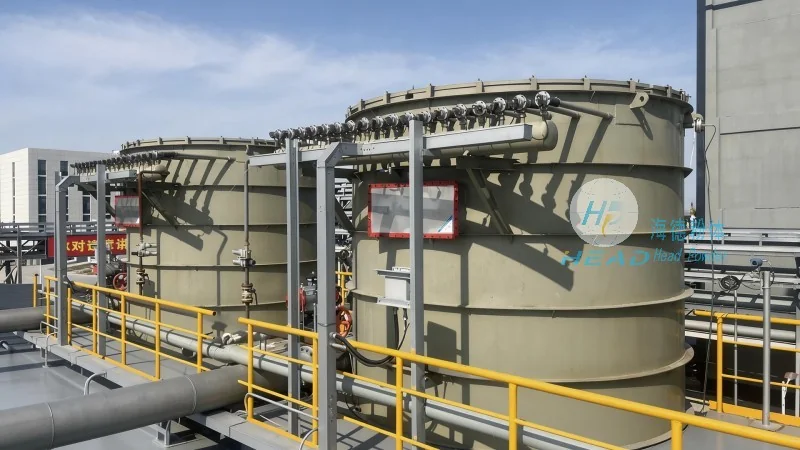
Pneumatic Conveying Systems for Microsilica Powder
Pneumatic conveying, also known as air conveying, is a popular method for transporting microsilica powder due to its ability to handle fine powders over long distances with minimal product degradation. The system operates by using compressed air to move the powder through a pipeline. There are two main types of pneumatic conveying systems: vacuum and pressure systems. Vacuum systems use a vacuum pump to draw the powder into the pipeline, while pressure systems use a blower or compressor to push the powder forward. Both systems can be further classified into dilute phase and dense phase conveying, depending on the air-to-powder ratio and the velocity of the material flow.
Key Components of Microsilica Powder Pneumatic Conveying
The effectiveness of a pneumatic conveying system for microsilica powder depends on several key components. These include the hopper or feeder, which ensures a consistent flow of powder into the system; the pipeline, which must be designed to minimize pressure drop and prevent material buildup; the air compressor or vacuum pump, which provides the necessary pressure or vacuum; and the control system, which regulates the flow rate and pressure. The selection of these components is critical to ensure the system operates efficiently and safely. For example, the hopper should be equipped with a rotary valve or a star feeder to prevent clogging and maintain a steady flow of microsilica powder. The pipeline should be made of materials that are resistant to corrosion and abrasion, such as stainless steel or plastic, to withstand the abrasive nature of the powder.
Advantages of Pneumatic Conveying for Microsilica Powder
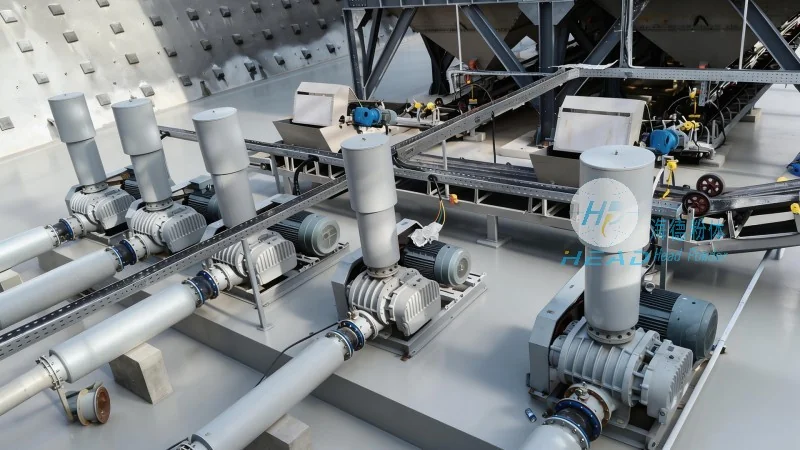
Pneumatic conveying systems offer several advantages over mechanical systems for microsilica powder transportation. One of the main advantages is the ability to handle fine powders over long distances without the need for multiple transfer points. This reduces the risk of material degradation and contamination. Additionally, pneumatic systems can be designed to operate in a closed loop, minimizing dust emissions and improving workplace safety. The flexibility of pneumatic systems allows for easy integration with existing production lines and the ability to transport materials to different locations within the facility. Another advantage is the lower maintenance requirements compared to mechanical systems, as there are fewer moving parts and less wear and tear.
Considerations for Implementing Microsilica Powder Pneumatic Conveying
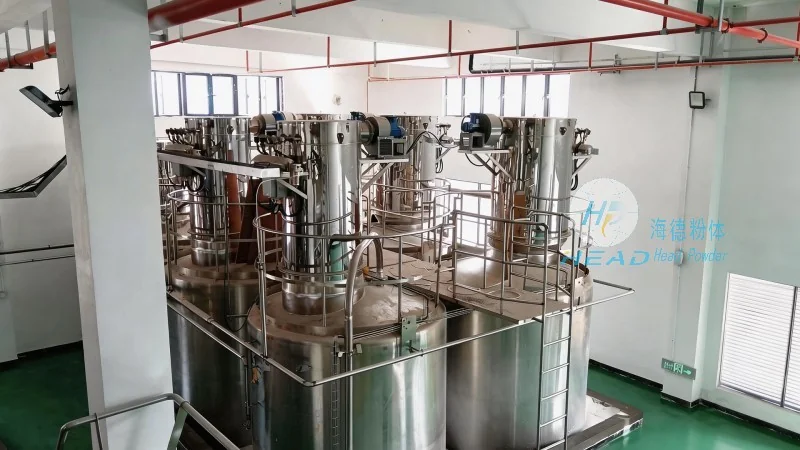
When implementing a pneumatic conveying system for microsilica powder, several factors must be considered to ensure optimal performance. The first consideration is the material properties of the microsilica powder, such as particle size, density, and moisture content. These properties affect the flow characteristics and the required air velocity for effective conveying. For example, finer particles may require higher air velocities to prevent clogging, while higher moisture content can lead to agglomeration and reduced flow. The second consideration is the distance and layout of the conveying system. Longer distances may require higher pressure or vacuum levels, and the pipeline may need to be inclined to maintain the flow of the powder. The third consideration is the environmental regulations and safety requirements. Pneumatic systems must be designed to minimize dust emissions and comply with local regulations regarding air quality and workplace safety. This may involve the use of dust collection systems and proper ventilation.
Conclusion
Microsilica powder is a critical material in many industrial applications, and the efficient transportation of this fine powder is essential for maintaining production efficiency and product quality. Pneumatic conveying systems offer a reliable and flexible solution for transporting microsilica powder over long distances and in complex layouts. By selecting the appropriate components and considering the material properties and operational requirements, companies can implement an effective pneumatic conveying system that meets their specific needs. As a leading provider of microsilica powder conveying solutions, Shandong HeadPowder Engineering Co., Ltd. specializes in designing and manufacturing customized pneumatic systems tailored to the unique requirements of each application. With years of experience in the industry, HeadPowder ensures that their systems are efficient, durable, and compliant with all relevant regulations, providing customers with a reliable and cost-effective solution for their microsilica powder transportation needs.

 Công ty TNHH Kỹ thuật Công trình Bột Hải Đức Sơn Đông
 156-6277-7102(Quản lý Trương)
  0531-83386006
  Quận Chương Khâu, Thành phố Tế Nam, Tỉnh Sơn Đông, Trung Quốc
Điện thoại
WeChatTư vấn
Lên đầu