Công ty Hải Đức Bột với hơn 10 năm kinh nghiệm vận chuyển khí, cung cấp hệ thống‑thiết bị‑quạt gió và nhận dự án tổng thầu bột cả nước
Calcium chloride is a widely used chemical compound in various industrial applications, including de-icing, water treatment, and construction. Efficient and reliable transportation of this material is crucial for maintaining production efficiency and ensuring product quality. This article explores common calcium chloride conveying methods, with a focus on the advantages and applications of pneumatic conveying systems.
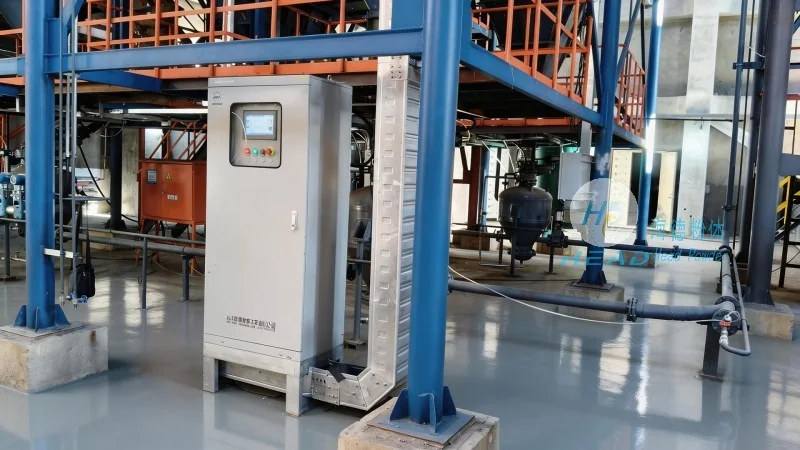
Understanding Calcium Chloride Properties and Handling Requirements
Before discussing conveying methods, it is essential to understand the physical and chemical properties of calcium chloride. This compound is hygroscopic, meaning it readily absorbs moisture from the air, which can affect its handling and storage. Additionally, calcium chloride is often granular or in a powder form, requiring specialized equipment to transport without degradation or dust generation. These characteristics make the selection of an appropriate conveying system critical for industrial operations.
Common Conveying Methods for Calcium Chloride
Several methods are employed to transport calcium chloride, each with its own advantages and limitations. Traditional methods include gravity flow, where the material is moved down a sloped pipe due to gravity, and mechanical pumping systems, such as positive displacement pumps. However, these methods may not be suitable for all applications, especially when dealing with fine powders or when long-distance transport is required.
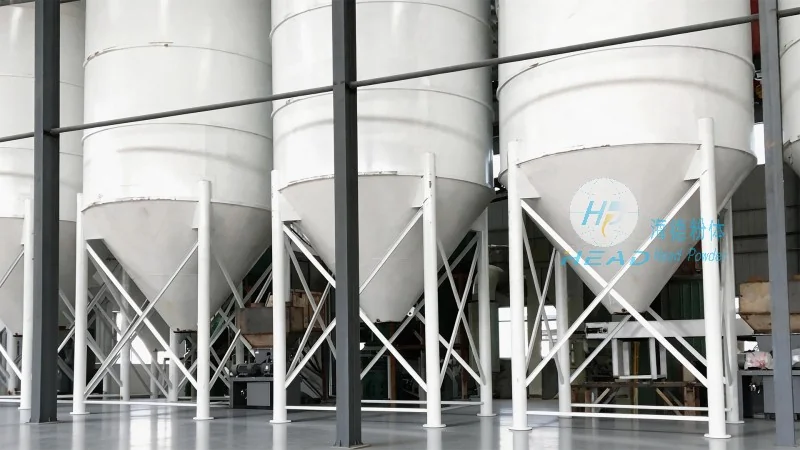
Pneumatic Conveying: A Preferred Solution for Calcium Chloride Transport
Pneumatic conveying, also known as air conveying, is a highly effective method for transporting calcium chloride. This technology uses compressed air to move the material through a pipeline, eliminating the need for mechanical components that could cause wear or contamination. The system typically consists of a hopper, a rotary valve, a venturi (or airlock) for material acceleration, and a receiver for the delivered product. Pneumatic conveying offers several benefits, including the ability to transport materials over long distances, handle fine powders without clogging, and maintain product integrity by minimizing exposure to air and moisture.
Advantages of Pneumatic Conveying for Calcium Chloride
When compared to other conveying methods, pneumatic conveying provides distinct advantages for calcium chloride transport. One key benefit is the flexibility in system design, allowing for both positive and negative pressure operations. Positive pressure systems push the material through the pipeline using compressed air, while negative pressure systems draw the material using a vacuum. This flexibility enables adaptation to various industrial settings and operational needs. Additionally, pneumatic conveying systems are capable of handling high volumes of material efficiently, reducing labor costs and increasing production throughput. The system also minimizes product degradation by maintaining a closed environment, preventing dust dispersion and moisture absorption.
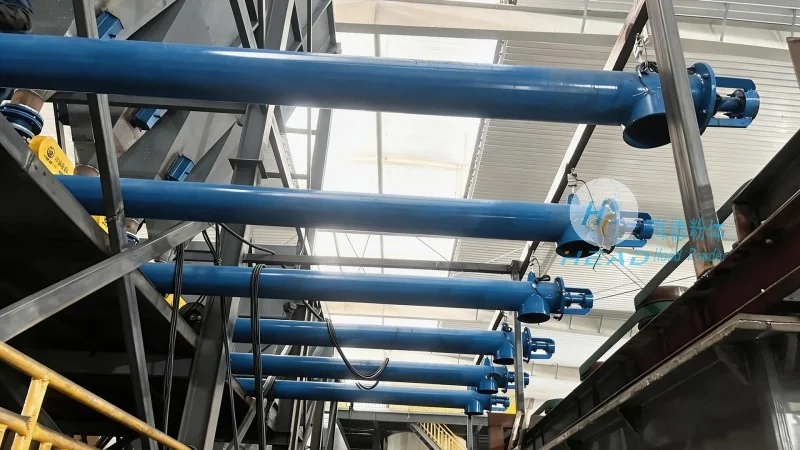
Applications of Pneumatic Conveying in Calcium Chloride Handling
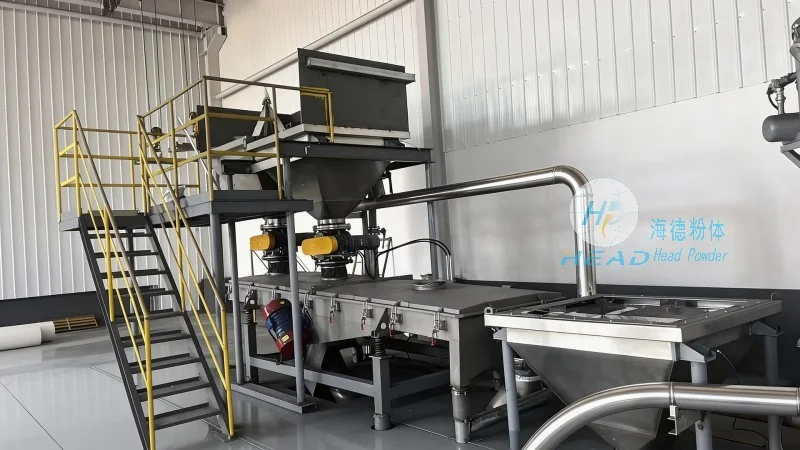
Pneumatic conveying is widely used in the calcium chloride industry for a range of applications. In de-icing operations, for example, the material is often transported from storage to application sites over considerable distances. Pneumatic systems ensure that the calcium chloride reaches the intended location without loss or contamination. Similarly, in water treatment facilities, the compound is conveyed from storage tanks to dosing equipment, where it is added to water to adjust pH levels or improve water quality. The ability to handle fine powders and maintain product purity makes pneumatic conveying ideal for these critical applications.
Company Profile: Shandong HeadPowder Engineering Co., Ltd.
Shandong HeadPowder Engineering Co., Ltd., operating under the brand name HeadPowder, specializes in the design, manufacturing, and installation of advanced material handling systems, including pneumatic conveying solutions for calcium chloride and other industrial chemicals. With a focus on innovation and customer satisfaction, the company provides tailored solutions that meet the specific needs of industrial clients. HeadPowder's expertise in material flow technology ensures that their systems are efficient, reliable, and compliant with industry standards. The company's facilities are located in Shandong, China, where they leverage local resources and expertise to deliver high-quality products and services to global markets.
Conclusion
In conclusion, the choice of calcium chloride conveying method significantly impacts industrial efficiency and product quality. Pneumatic conveying stands out as a preferred solution due to its ability to handle fine powders, maintain product integrity, and operate over long distances. Companies like Shandong HeadPowder Engineering Co., Ltd. play a vital role in providing advanced pneumatic conveying systems that support the needs of the calcium chloride industry. By understanding the properties of calcium chloride and the capabilities of different conveying technologies, industrial operators can select the most effective system to optimize their operations and ensure consistent product delivery.

 Công ty TNHH Kỹ thuật Công trình Bột Hải Đức Sơn Đông
 156-6277-7102(Quản lý Trương)
  0531-83386006
  Quận Chương Khâu, Thành phố Tế Nam, Tỉnh Sơn Đông, Trung Quốc
Điện thoại
WeChatTư vấn
Lên đầu