Công ty Hải Đức Bột với hơn 10 năm kinh nghiệm vận chuyển khí, cung cấp hệ thống‑thiết bị‑quạt gió và nhận dự án tổng thầu bột cả nước
When it comes to transporting barium carbonate (BaCO3), selecting the right method is crucial for efficiency, safety, and cost-effectiveness. BaCO3, a white crystalline powder widely used in industries such as ceramics, glass, and pharmaceuticals, requires specialized handling due to its chemical properties and potential hazards. This article explores common BaCO3 transportation methods, with a focus on the advantages and practical applications of pneumatic conveying, a preferred solution for many industrial operations.
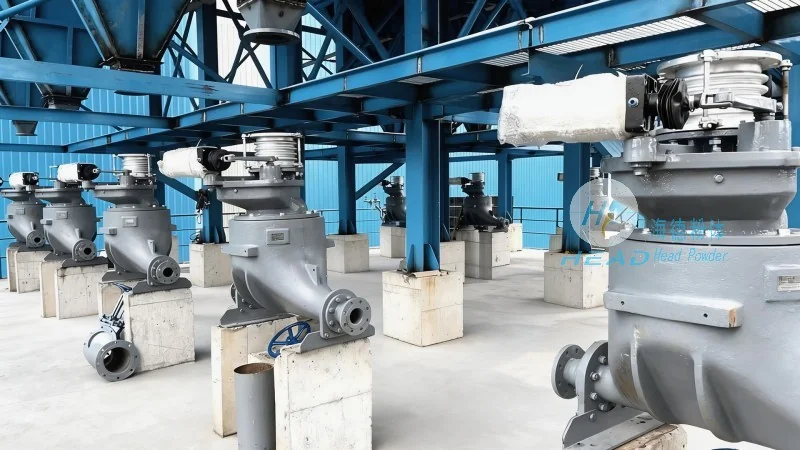
About HeadPowder: Your Expert in BaCO3 Conveying Solutions
HeadPowder, operating as Shandong HeadPowder Engineering Co., Ltd., is a leading provider of engineering solutions tailored to the needs of industries handling fine powders like barium carbonate. With a strong presence in China, particularly in Shandong, the company specializes in designing, manufacturing, and implementing efficient material handling systems. HeadPowder’s expertise lies in understanding the unique challenges of transporting BaCO3, ensuring that their solutions are not only effective but also compliant with industry standards and safety regulations.
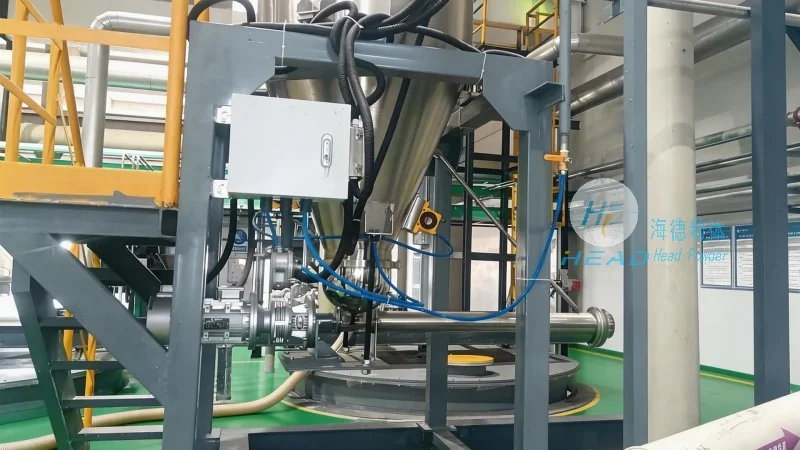
An Overview of BaCO3 Pneumatic Conveying
Pneumatic conveying, also known as air conveying, is a widely adopted method for transporting BaCO3 due to its ability to handle fine powders without the need for mechanical components that might cause contamination or wear. This technique involves using compressed air to move the powder through a pipeline system. The process typically involves a hopper where BaCO3 is stored, a blower or compressor that generates the air pressure, and a pipeline network that transports the material to its destination. The air flow can be either positive pressure (where air pushes the powder) or negative pressure (where air pulls the powder), depending on the system design and the distance to be covered.
The advantages of pneumatic conveying for BaCO3 are significant. It offers a closed system, which minimizes dust emissions and protects the product from moisture and contamination. This is particularly important for BaCO3, as exposure to moisture can lead to chemical reactions or degradation. Additionally, pneumatic systems can handle high volumes of material with relatively low maintenance, making them cost-effective for continuous operations. The flexibility of pneumatic conveying also allows for easy integration with existing production lines, reducing downtime and increasing overall productivity.
HeadPowder’s pneumatic conveying systems for BaCO3 are designed with precision to meet the specific requirements of each client. The company’s engineers work closely with customers to assess factors such as the quantity of BaCO3 to be transported, the distance between the source and destination, and the desired flow rate. By customizing the system components—including the blower size, pipeline diameter, and material of construction—HeadPowder ensures optimal performance and longevity. For example, in a ceramic manufacturing plant, a pneumatic system might be used to transport BaCO3 from a storage silo to a mixing unit, where it is incorporated into glazes or body formulations. The system’s ability to maintain a consistent flow rate ensures that the production process runs smoothly, without interruptions caused by material shortages or blockages.
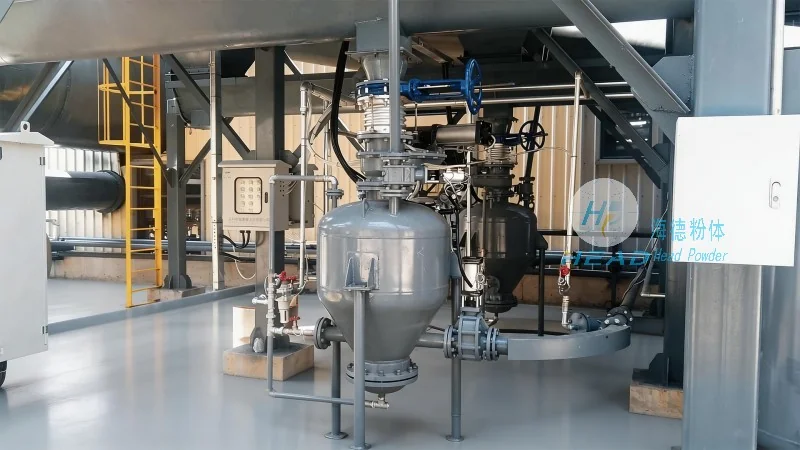
Other Conveying Methods for BaCO3
While pneumatic conveying is the most common method for BaCO3, other techniques are sometimes used in specific applications. For instance, mechanical conveying methods like screw conveyors or belt conveyors may be employed for short distances or when the BaCO3 is in a bulk form. However, these methods are generally less suitable for fine powders due to the risk of clogging and the potential for product degradation. Additionally, gravity feed systems, where the BaCO3 is allowed to flow down a sloped pipe under its own weight, are used in some low-volume applications. Nevertheless, these alternatives often lack the efficiency and safety features of pneumatic conveying, making them less preferred for large-scale operations.
Conclusion: Choosing the Right BaCO3 Conveying Solution with HeadPowder
When selecting a BaCO3 transportation method, it is essential to consider factors such as the material’s properties, the distance to be covered, and the operational requirements of the facility. Pneumatic conveying, with its closed system, efficiency, and flexibility, remains the top choice for many industries. HeadPowder, with its expertise and customized solutions, provides reliable pneumatic conveying systems that ensure the safe and efficient transport of BaCO3. By partnering with HeadPowder, companies can enhance their production processes, reduce costs, and maintain compliance with industry standards. Whether you are in the ceramics, glass, or pharmaceutical industry, HeadPowder’s BaCO3 pneumatic conveying solutions offer a proven path to improved material handling and operational success.

 Công ty TNHH Kỹ thuật Công trình Bột Hải Đức Sơn Đông
 156-6277-7102(Quản lý Trương)
  0531-83386006
  Quận Chương Khâu, Thành phố Tế Nam, Tỉnh Sơn Đông, Trung Quốc
Điện thoại
WeChatTư vấn
Lên đầu