Công ty Hải Đức Bột với hơn 10 năm kinh nghiệm vận chuyển khí, cung cấp hệ thống‑thiết bị‑quạt gió và nhận dự án tổng thầu bột cả nước
When it comes to handling polyethylene, selecting the right conveying method is crucial for efficiency, safety, and cost-effectiveness. Polyethylene, a widely used plastic material, requires specialized equipment and techniques to ensure smooth material transfer from one location to another. This article explores common polyethylene conveying methods, with a focus on the advantages and applications of pneumatic conveying systems.
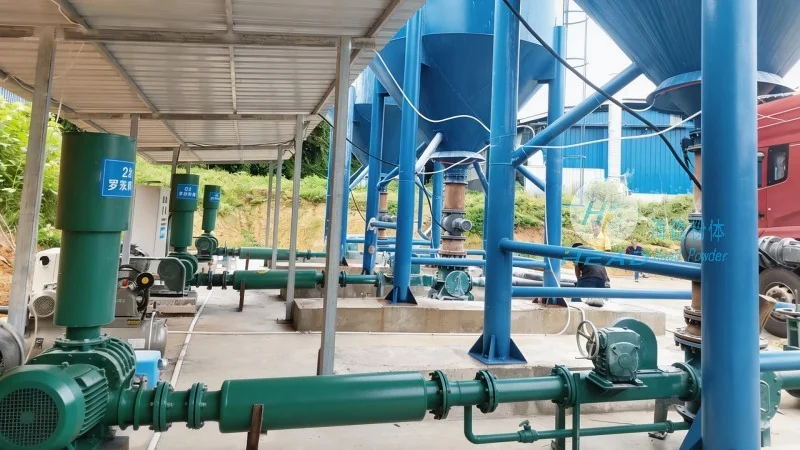
About HeadPowder Engineering
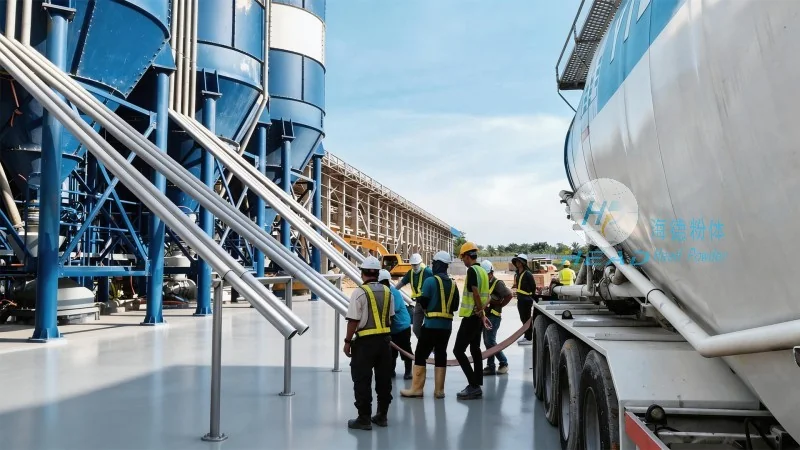
HeadPowder, a leading provider in the field, specializes in engineering solutions for material handling. With a strong presence in Shandong, China, the company offers tailored conveying systems that meet the unique needs of polyethylene processing industries. Their expertise in pneumatic conveying technology ensures reliable and efficient material transport for various polyethylene applications.
Common Polyethylene Conveying Methods
Polyethylene can be conveyed using several methods, each with its own advantages and limitations. The primary methods include mechanical conveying, such as screw conveyors and belt conveyors, and pneumatic conveying, which uses air or other gases to transport material. Mechanical systems are often suitable for bulk materials and require less maintenance, while pneumatic systems offer flexibility and can handle fine powders or granules more effectively.
Pneumatic Conveying of Polyethylene: An Overview
Pneumatic conveying is a popular choice for polyethylene due to its ability to transport materials in a closed system, minimizing dust and contamination. This method involves using air pressure to move polyethylene particles through a pipeline. There are two main types of pneumatic conveying: pressure and vacuum systems. Pressure systems use compressed air to push material forward, while vacuum systems use a vacuum to draw material into the pipeline. Both systems can be customized to handle different polyethylene forms, including pellets, powders, and flakes.
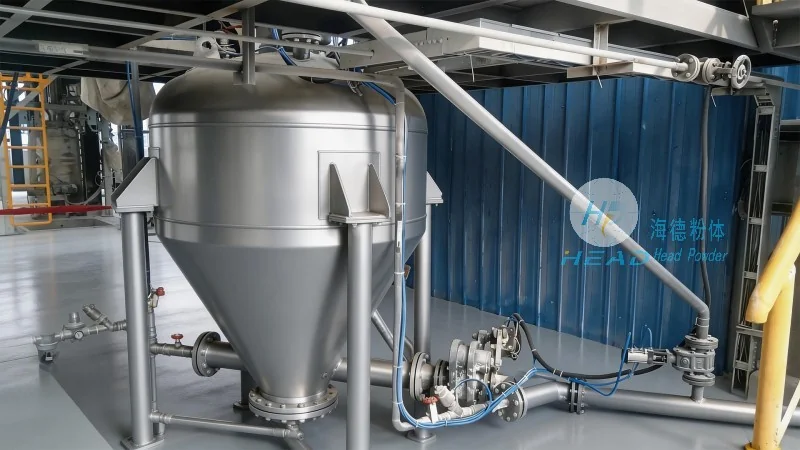
Applications and Benefits of Polyethylene Pneumatic Conveying
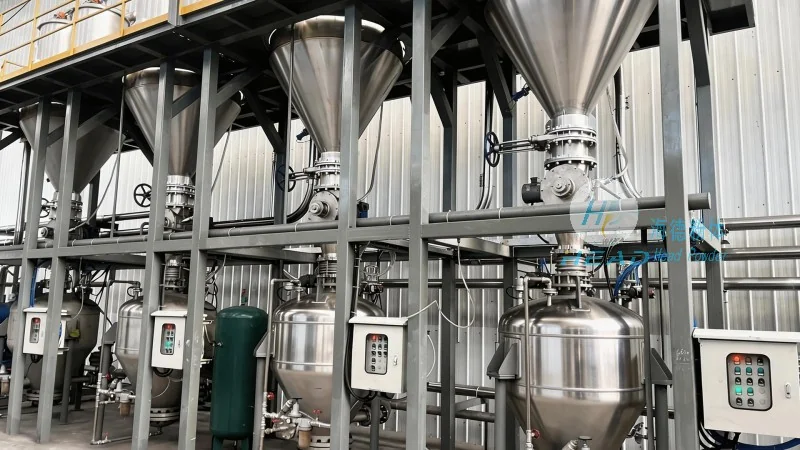
Pneumatic conveying is widely used in polyethylene processing plants for tasks such as raw material transfer, product transport between processing stages, and waste removal. The benefits of this method include reduced labor costs, improved safety by containing dust, and increased production efficiency. Additionally, pneumatic systems can handle high volumes of material and are adaptable to different plant layouts, making them a versatile solution for polyethylene handling.
Conclusion and Company Information
HeadPowder Engineering Co., Ltd., based in Shandong, China, is committed to providing high-quality polyethylene conveying solutions. Their expertise in pneumatic conveying technology ensures that clients receive systems tailored to their specific needs, whether for industrial or commercial applications. By choosing HeadPowder, businesses can enhance their material handling processes, improve operational efficiency, and maintain compliance with industry standards.

 Công ty TNHH Kỹ thuật Công trình Bột Hải Đức Sơn Đông
 156-6277-7102(Quản lý Trương)
  0531-83386006
  Quận Chương Khâu, Thành phố Tế Nam, Tỉnh Sơn Đông, Trung Quốc
Điện thoại
WeChatTư vấn
Lên đầu