Công ty Hải Đức Bột với hơn 10 năm kinh nghiệm vận chuyển khí, cung cấp hệ thống‑thiết bị‑quạt gió và nhận dự án tổng thầu bột cả nước
When it comes to transporting fine aggregates like sand and small gravel, selecting the right method is crucial for efficiency and material integrity. Fine aggregates are widely used in construction, manufacturing, and various industrial processes, making reliable and effective conveying solutions essential. This article explores common fine aggregate conveying methods, with a focus on the advantages and applications of pneumatic conveying systems.
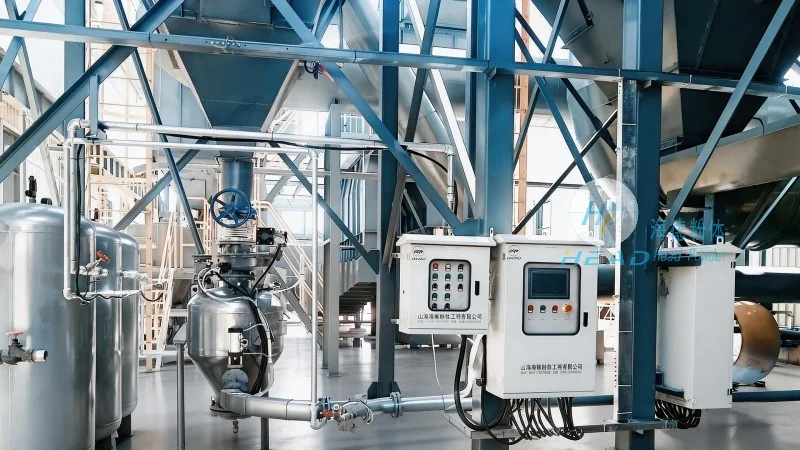
Pneumatic Conveying: A Detailed Overview
Pneumatic conveying, also known as air-based conveying, is a popular method for transporting fine aggregates due to its ability to handle materials with high moisture content, prevent contamination, and maintain material quality. The process involves using compressed air to move particles through a pipeline system. There are two main types of pneumatic conveying: pressure and vacuum systems. Pressure systems use positive pressure to push material through the line, while vacuum systems use negative pressure to pull material from a source. For fine aggregates, pressure systems are often preferred as they can handle higher material loads and longer distances with less pressure drop. The HeadPowder Engineering Co., Ltd. specializes in designing and manufacturing custom pneumatic conveying solutions tailored to the specific needs of fine aggregate applications.
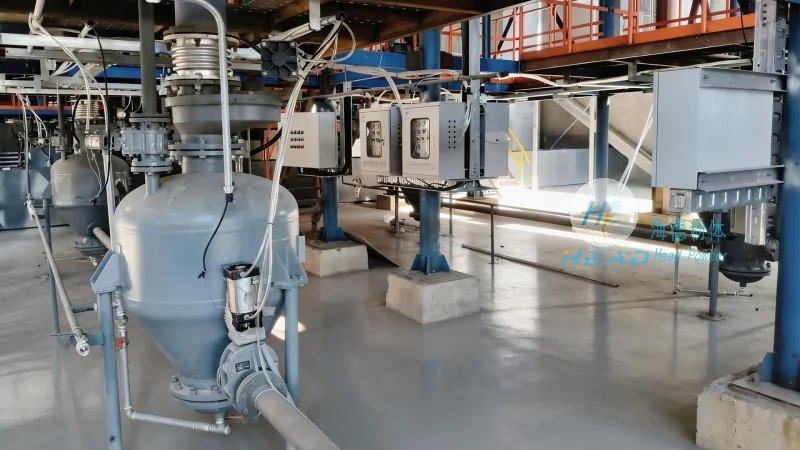
Advantages of Pneumatic Conveying for Fine Aggregates
There are several key advantages that make pneumatic conveying an ideal choice for fine aggregate transport. First, it offers a closed system, which helps prevent dust emissions and environmental contamination. This is particularly important for fine aggregates, which can be a source of airborne particles. Second, pneumatic conveying can handle materials with varying moisture levels and particle sizes, making it versatile for different applications. Third, the system can be integrated with other processing equipment, such as mixers or classifiers, to create a seamless production line. Additionally, pneumatic conveying reduces labor costs by automating the material transport process, improving overall operational efficiency. The HeadPowder Engineering Co., Ltd. has extensive experience in designing pneumatic conveying systems that maximize these benefits for their clients.
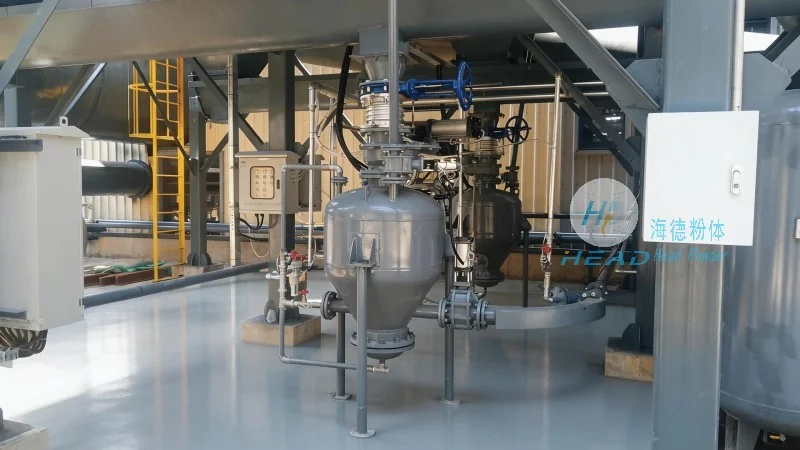
Other Conveying Methods for Fine Aggregates
While pneumatic conveying is a leading method, other options are also used for fine aggregate transport. Belt conveyors are commonly used for short to medium distances and can handle larger volumes of material. However, they may not be as suitable for fine aggregates due to the risk of material degradation or clogging. Screw conveyors are another option, particularly for vertical or inclined transport. They are effective for handling dry materials but may not be as efficient for fine aggregates with high moisture content. Vibrating conveyors use vibration to move material along a trough, which can be effective for certain applications but may not be as suitable for fine aggregates that are prone to segregation. The choice of conveying method depends on factors such as material characteristics, distance, and budget. The HeadPowder Engineering Co., Ltd. provides expert consultation to help clients select the most appropriate conveying system for their specific fine aggregate needs.
Applications of Fine Aggregate Conveying Systems
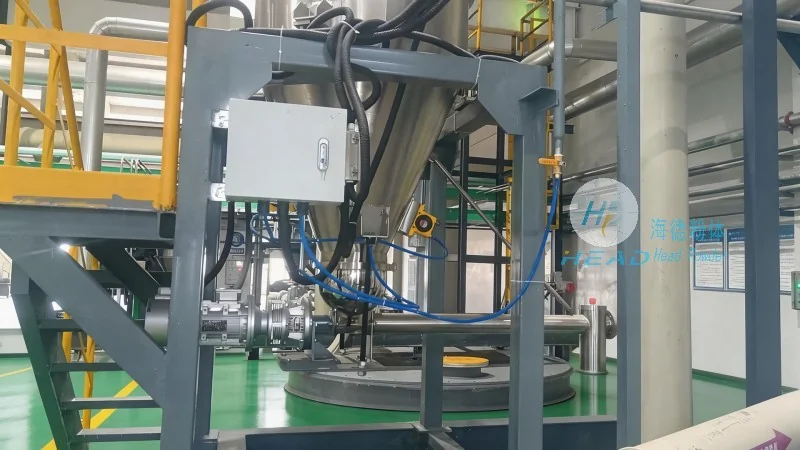
Fine aggregate conveying systems are used in a wide range of industries. In the construction industry, they are essential for transporting sand and gravel to job sites, ensuring a steady supply of materials for concrete and mortar production. In the manufacturing sector, fine aggregates are used in the production of ceramics, glass, and other materials, and pneumatic conveying systems help maintain the quality of these materials by preventing contamination. The mining industry also relies on fine aggregate conveying for processing and transporting ore and other materials. The HeadPowder Engineering Co., Ltd. has successfully implemented fine aggregate conveying systems in various industries, improving efficiency and reducing operational costs for their clients.
Custom Solutions from HeadPowder Engineering
At HeadPowder Engineering Co., Ltd., we understand that every fine aggregate application is unique. That's why we offer custom-designed pneumatic conveying solutions tailored to the specific requirements of each client. Our team of engineers works closely with clients to assess their material characteristics, transport needs, and operational constraints to develop a system that meets their exact specifications. We use high-quality materials and advanced technology to ensure our conveying systems are durable, efficient, and reliable. Our custom solutions can include components such as feeders, cyclones, filters, and control systems, all designed to work together seamlessly. The HeadPowder Engineering Co., Ltd. is committed to providing the best possible service and support to our clients, ensuring that their fine aggregate conveying systems operate at peak performance.

 Công ty TNHH Kỹ thuật Công trình Bột Hải Đức Sơn Đông
 156-6277-7102(Quản lý Trương)
  0531-83386006
  Quận Chương Khâu, Thành phố Tế Nam, Tỉnh Sơn Đông, Trung Quốc
Điện thoại
WeChatTư vấn
Lên đầu