Công ty Hải Đức Bột với hơn 10 năm kinh nghiệm vận chuyển khí, cung cấp hệ thống‑thiết bị‑quạt gió và nhận dự án tổng thầu bột cả nước
Calcined sand, a crucial material in various industrial applications, requires efficient and reliable transportation methods to ensure smooth production processes. This article explores the common methods used for calcined sand conveyance, with a particular focus on pneumatic conveying systems. Understanding these methods is essential for industries dealing with calcined sand, as it directly impacts operational efficiency and material handling costs.
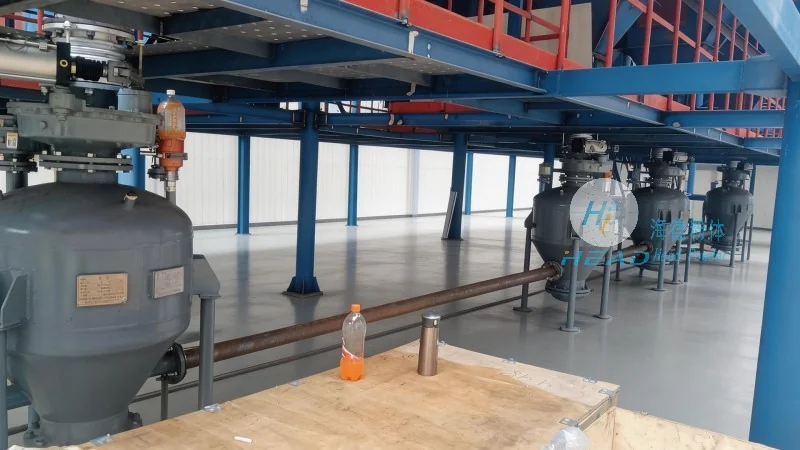
Pneumatic Conveying: A Preferred Method for Calcined Sand Transport
HeadPowder, a leading provider of material handling solutions, specializes in pneumatic conveying systems tailored for calcined sand applications. Pneumatic conveying uses air to transport dry powders and granular materials like calcined sand through a pipeline network. This method offers several advantages, including the ability to transport materials over long distances, handle varying material characteristics, and maintain a clean and dust-free environment. The system typically consists of a hopper, a blower or compressor, and a pipeline with appropriate valves and filters. For calcined sand, which is often fine and abrasive, specialized equipment such as high-efficiency cyclones and flexible hoses is used to minimize wear and ensure consistent performance.
Other Conveying Methods for Calcined Sand
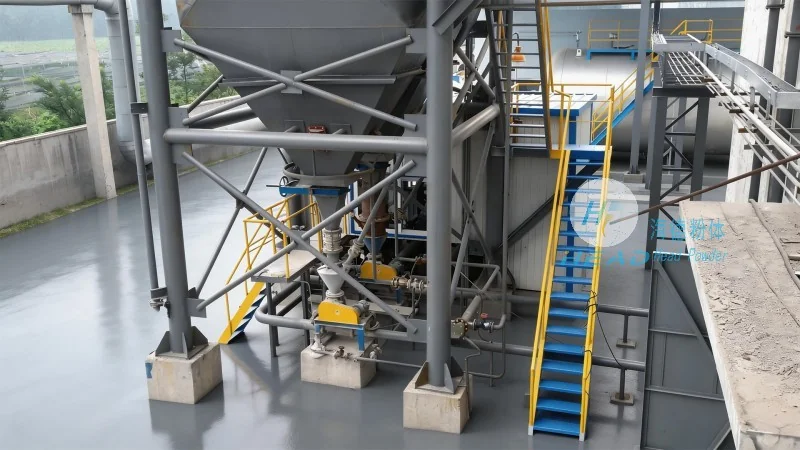
While pneumatic conveying is widely adopted, other methods are also used in calcined sand handling. These include mechanical conveying systems like belt conveyors, screw conveyors, and bucket elevators. Belt conveyors are suitable for transporting calcined sand over short to medium distances, especially in open environments. Screw conveyors are effective for horizontal or slightly inclined transport, providing a continuous and controlled flow. Bucket elevators are used for vertical transport, capable of handling larger volumes and higher elevations. However, these mechanical systems may face challenges with fine powders, leading to material buildup and increased maintenance. In contrast, pneumatic conveying offers a more integrated solution for calcined sand, minimizing dust and ensuring consistent material quality.
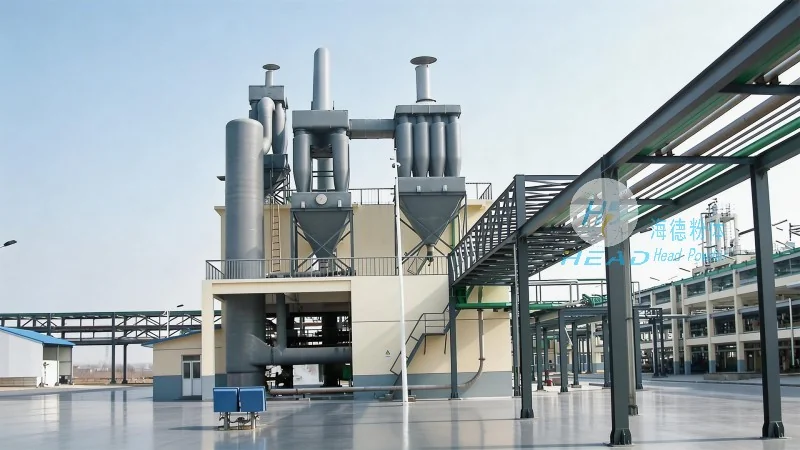
Key Considerations for Selecting a Conveying System
When choosing a conveying system for calcined sand, several factors must be considered. The first is the material's characteristics, including particle size, density, and moisture content. Calcined sand is typically fine and lightweight, which affects the air velocity required for effective transport. The second factor is the distance and layout of the transport route. For long distances or complex layouts, pneumatic conveying is often more efficient than mechanical systems. The third consideration is the need for dust control and environmental compliance. Pneumatic systems, especially with proper filtration, can significantly reduce dust emissions, making them suitable for indoor or enclosed facilities. Additionally, the cost of installation and maintenance should be evaluated. While initial costs for pneumatic systems may be higher, their lower maintenance and operational costs over time make them a cost-effective choice for many applications.
Conclusion
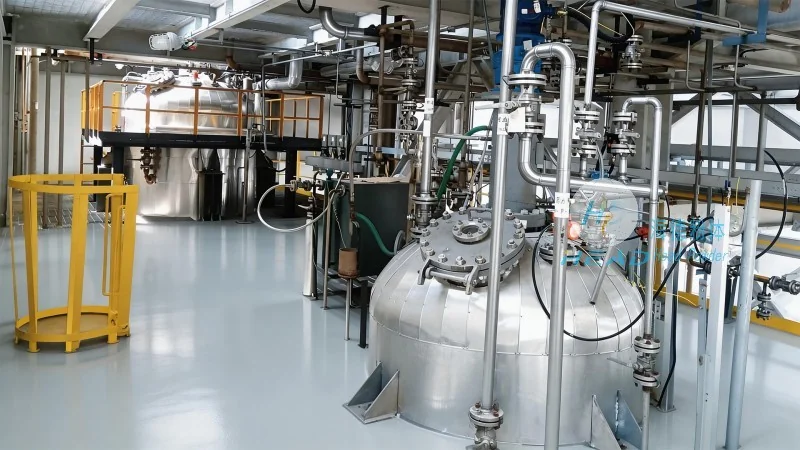
HeadPowder Engineering Co., Ltd., based in Shandong, China, is a trusted partner in providing advanced material handling solutions for calcined sand. By leveraging pneumatic conveying technology and other specialized equipment, the company ensures efficient and reliable transport of calcined sand for various industrial needs. Whether for construction, foundry, or other applications, the right conveying method is critical to maintaining production efficiency and material quality. With a focus on innovation and customer satisfaction, HeadPowder continues to deliver high-performance systems that meet the evolving demands of the industry.

 Công ty TNHH Kỹ thuật Công trình Bột Hải Đức Sơn Đông
 156-6277-7102(Quản lý Trương)
  0531-83386006
  Quận Chương Khâu, Thành phố Tế Nam, Tỉnh Sơn Đông, Trung Quốc
Điện thoại
WeChatTư vấn
Lên đầu