Công ty Hải Đức Bột với hơn 10 năm kinh nghiệm vận chuyển khí, cung cấp hệ thống‑thiết bị‑quạt gió và nhận dự án tổng thầu bột cả nước
For manufacturers and processors dealing with maltose, selecting the right conveying method is crucial for efficiency, product quality, and operational safety. Maltose, a key ingredient in various food and beverage applications, requires specialized handling due to its hygroscopic nature and granular or powdered form. The choice of conveying system directly impacts the overall production line performance, especially when dealing with bulk quantities of maltose. This article explores common maltose conveying methods, with a focus on the advantages and applications of pneumatic conveying systems.
Common Maltose Conveying Methods Overview
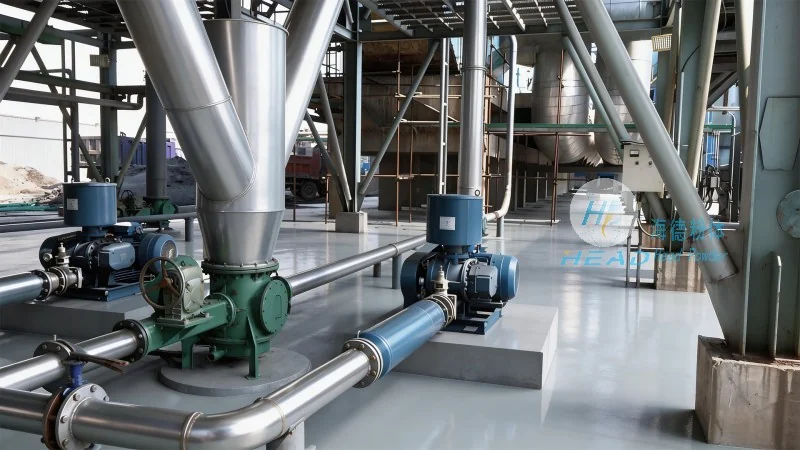
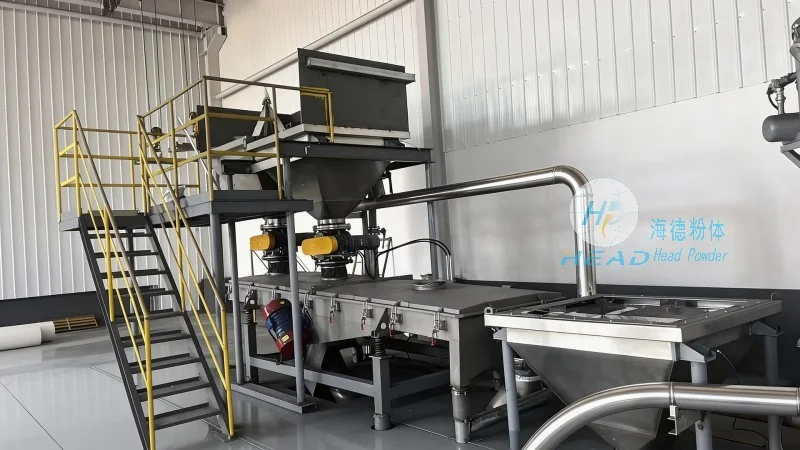
When it comes to transporting maltose, several methods are available, each with its own set of advantages and limitations. The primary methods include mechanical conveying (such as screw conveyors and belt conveyors), pneumatic conveying, and hydraulic systems. However, for many industrial applications, pneumatic conveying has become the preferred choice due to its flexibility, ability to handle fine powders, and minimal product contamination. Mechanical conveyors are often used for dry, free-flowing materials but may not be suitable for hygroscopic substances like maltose, as they can cause product degradation or caking. Hydraulic systems, while effective for certain bulk materials, are less common in maltose processing due to the risk of contamination and maintenance complexity.
Pneumatic Conveying Systems for Maltose
Pneumatic conveying, also known as air conveying, is a method that uses compressed air to transport dry bulk materials like maltose through a pipeline. This system is particularly effective for maltose because it minimizes direct contact with equipment, reducing the risk of contamination and maintaining product integrity. There are two main types of pneumatic conveying systems: pressure and vacuum. Pressure systems use positive pressure to push the material through the pipeline, while vacuum systems use negative pressure to pull the material. For maltose, pressure systems are often preferred as they provide better control over the flow rate and can handle longer distances without significant pressure loss. The system typically consists of a hopper, a rotary valve (for feeding), a conveying line, and a receiver (for discharge). The rotary valve ensures a consistent flow of maltose into the pipeline, while the conveying line transports the material to the desired location. The receiver then collects the maltose, ready for further processing.
Advantages of Pneumatic Conveying for Maltose
There are several key advantages of using pneumatic conveying for maltose. First, it offers excellent product protection. Since the material is transported in an enclosed system, it is shielded from dust, moisture, and other contaminants, which is critical for maintaining the quality of maltose, especially when it is used in sensitive applications like pharmaceuticals or high-end food products. Second, pneumatic conveying systems are highly flexible. They can be easily integrated into existing production lines and can handle changes in flow rate or direction without major modifications. This flexibility makes them suitable for dynamic production environments where the demand for maltose may vary. Third, the system is relatively simple to install and maintain. Compared to mechanical conveyors, which require regular cleaning and maintenance to prevent clogging, pneumatic systems have fewer moving parts and are less prone to wear and tear. This results in lower maintenance costs and less downtime for the production line. Fourth, pneumatic conveying is energy-efficient. While it requires compressed air, modern systems are designed to use energy efficiently, reducing operational costs over time. The ability to handle fine powders without the need for additional equipment (such as hoppers or chutes) also contributes to cost savings.
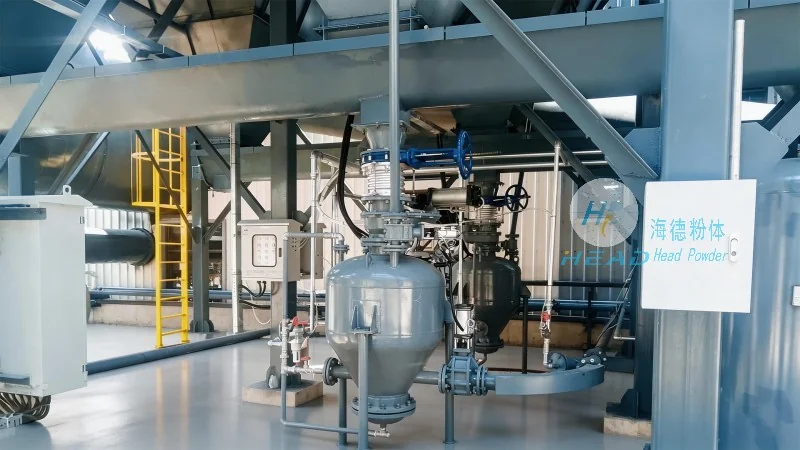
HeadPowder's Pneumatic Conveying Solutions
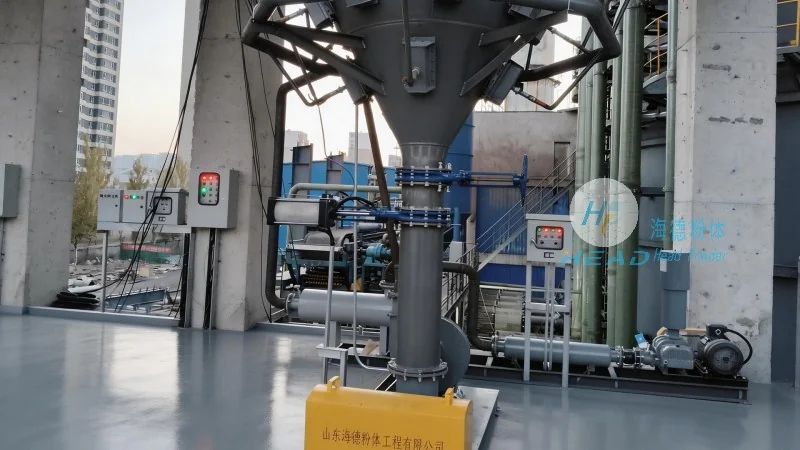
Shandong HeadPowder Engineering Co., Ltd., a leading manufacturer of bulk material handling equipment, specializes in providing customized pneumatic conveying solutions for maltose and other hygroscopic materials. With years of experience in the industry, HeadPowder understands the unique challenges of handling maltose, such as its tendency to absorb moisture and clump. The company’s solutions are designed to address these challenges effectively. For example, their pneumatic conveying systems are equipped with features like anti-caking mechanisms and moisture control systems to ensure the quality of maltose during transport. The systems are also designed with food-grade materials, such as stainless steel, to meet the stringent hygiene standards required in the food and beverage industry. HeadPowder’s team of engineers works closely with clients to understand their specific requirements, from production volume to distance and flow rate, and designs a system that meets all their needs. The company’s commitment to quality and customer satisfaction has made it a trusted partner for many maltose manufacturers and processors.
Conclusion
In conclusion, selecting the right conveying method for maltose is essential for maintaining product quality and operational efficiency. While mechanical and hydraulic systems have their uses, pneumatic conveying systems offer superior advantages for handling maltose, especially in terms of product protection, flexibility, and maintenance. Shandong HeadPowder Engineering Co., Ltd. provides reliable and customized pneumatic conveying solutions that cater to the specific needs of maltose processing. By choosing the right conveying system, manufacturers can ensure smooth operations, high product quality, and cost-effective production. Whether you are a small-scale or large-scale maltose producer, HeadPowder’s solutions can help you optimize your conveying process and achieve your production goals.

 Công ty TNHH Kỹ thuật Công trình Bột Hải Đức Sơn Đông
 156-6277-7102(Quản lý Trương)
  0531-83386006
  Quận Chương Khâu, Thành phố Tế Nam, Tỉnh Sơn Đông, Trung Quốc
Điện thoại
WeChatTư vấn
Lên đầu