Công ty Hải Đức Bột với hơn 10 năm kinh nghiệm vận chuyển khí, cung cấp hệ thống‑thiết bị‑quạt gió và nhận dự án tổng thầu bột cả nước
When it comes to handling and transporting corn kernels, selecting the right conveying method is crucial for efficiency, cost-effectiveness, and product integrity. Various options are available, each with its own advantages and applications. This article explores common corn kernel conveying methods, with a focus on the benefits and applications of pneumatic conveying systems.
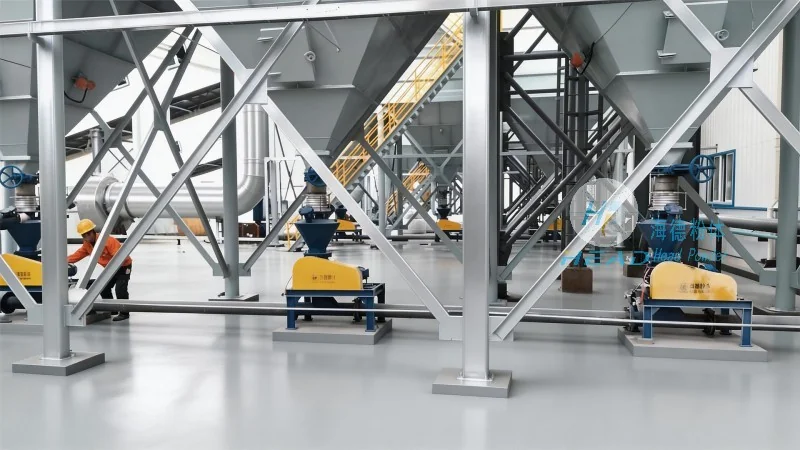
Different Conveying Methods for Corn Kernels
Several approaches are commonly used to move corn kernels from one location to another. These methods vary in terms of complexity, cost, and suitability for different production environments. Understanding the characteristics of each method helps in making informed decisions for specific operational needs.
Gravity Conveying Systems
Gravity conveying relies on the natural force of gravity to move corn kernels along inclined chutes or troughs. This method is simple and low-cost, making it suitable for short-distance transport where the corn kernels have sufficient flowability. However, it is limited by the need for a suitable slope and may not be effective for large volumes or long distances.
Mechanical Conveying Systems
Mechanical conveying systems use mechanical components such as belts, screws, or buckets to transport corn kernels. These systems offer better control over the conveying process and can handle a wider range of materials, including those with varying moisture content or size. They are commonly used in bulk handling operations and can be integrated with other processing equipment.
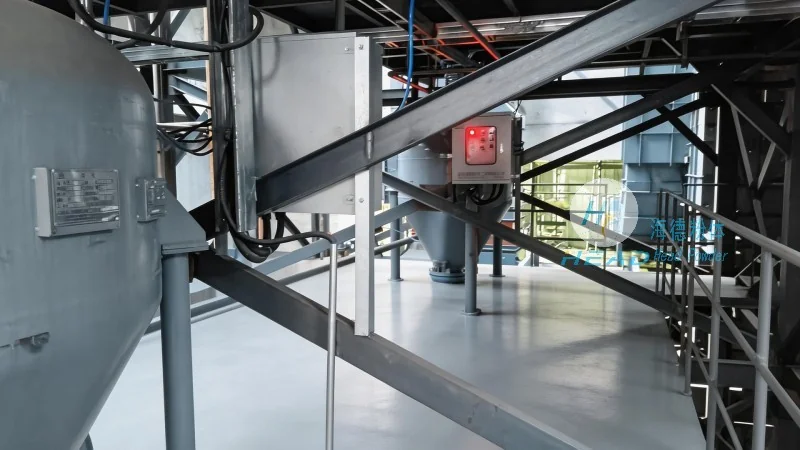
Pneumatic Conveying Systems: The Focus of This Article
Pneumatic conveying, also known as air conveying, uses compressed air or other gases to transport corn kernels through a pipeline. This method is highly versatile and can handle a wide variety of materials, including those that are dusty, sticky, or have irregular shapes. It offers several advantages, including the ability to transport materials over long distances, vertical and horizontal movement, and the integration with other processing steps.
Types of Pneumatic Conveying for Corn Kernels
There are two main types of pneumatic conveying systems: suction (or vacuum) and pressure systems. Suction systems use a vacuum to draw corn kernels into the pipeline, while pressure systems use compressed air to push the material. The choice between these systems depends on factors such as the distance to be covered, the volume of material, and the need for dust control.
Advantages of Pneumatic Conveying for Corn Kernels
Pneumatic conveying offers several key advantages for corn kernel handling. First, it provides a clean and hygienic transport method, as the material is contained within the pipeline, reducing the risk of contamination. Second, it allows for the integration of conveying with other processing steps, such as cleaning or drying, improving overall operational efficiency. Third, it can handle a wide range of corn kernel types, including fresh, dried, or processed kernels, without causing damage or breakage.
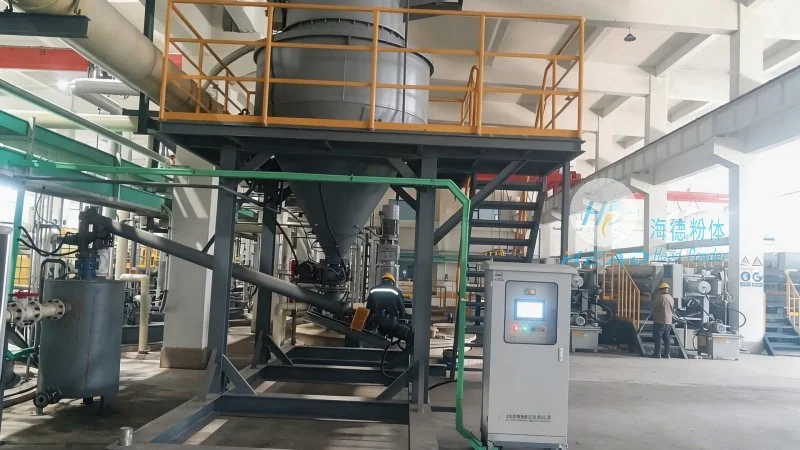
Applications of Pneumatic Conveying in Corn Processing
Pneumatic conveying is widely used in various stages of corn processing, from raw material handling to finished product packaging. In the initial stages, it can be used to transport corn kernels from storage silos to processing facilities. During processing, it can be used to move kernels between different equipment, such as cleaners, dehullers, and grinders. Finally, it can be used to transport finished products, such as corn flour or cornmeal, to storage or packaging areas.
HeadPowder Engineering Co., Ltd.: Pneumatic Conveying Solutions for Corn Kernels
Shandong HeadPowder Engineering Co., Ltd., a leading manufacturer of pneumatic conveying systems, specializes in providing customized solutions for corn kernel handling. With years of experience in the industry, HeadPowder has developed advanced systems that meet the specific needs of corn processing facilities. The company's systems are designed to ensure efficient, reliable, and cost-effective transport of corn kernels, while maintaining product quality and integrity.
Key Features of HeadPowder's Pneumatic Conveying Systems
HeadPowder's pneumatic conveying systems are equipped with several key features that enhance their performance and reliability. These include high-efficiency air compressors, durable pipeline materials, and advanced control systems that ensure smooth operation. The systems are also designed to be easy to maintain and clean, reducing downtime and maintenance costs. Additionally, HeadPowder offers customization options to meet the specific requirements of each customer, ensuring optimal performance in their corn processing operations.
Conclusion
Choosing the right corn kernel conveying method is essential for the success of corn processing operations. While various options are available, pneumatic conveying offers significant advantages in terms of efficiency, flexibility, and product integrity. With its advanced technology and customized solutions, Shandong HeadPowder Engineering Co., Ltd. provides reliable and effective pneumatic conveying systems that meet the needs of modern corn processing facilities. By investing in the right conveying system, corn processing companies can improve their operational efficiency, reduce costs, and enhance the quality of their products.

 Công ty TNHH Kỹ thuật Công trình Bột Hải Đức Sơn Đông
 156-6277-7102(Quản lý Trương)
  0531-83386006
  Quận Chương Khâu, Thành phố Tế Nam, Tỉnh Sơn Đông, Trung Quốc
Điện thoại
WeChatTư vấn
Lên đầu