Công ty Hải Đức Bột với hơn 10 năm kinh nghiệm vận chuyển khí, cung cấp hệ thống‑thiết bị‑quạt gió và nhận dự án tổng thầu bột cả nước
Water glass, also known as sodium silicate, is a widely used industrial chemical with diverse applications in industries such as construction, glass manufacturing, and chemical processing. The efficient and safe transportation of water glass is crucial for industrial operations, as it often involves handling viscous or corrosive materials. Among the various methods available, pneumatic conveying stands out as a preferred solution for many applications due to its flexibility, reliability, and ability to handle a wide range of materials, including water glass. This article provides an overview of common water glass transportation methods, with a focus on the advantages and practical aspects of water glass pneumatic conveying.
HeadPowder, a leading provider in the field, specializes in engineering solutions for material handling, particularly in the design and implementation of pneumatic conveying systems. With a strong presence in Shandong, China, the company leverages its expertise to deliver customized solutions tailored to the unique needs of industrial clients. The following sections explore the key aspects of water glass transportation, emphasizing the benefits of pneumatic conveying as a modern and effective method.
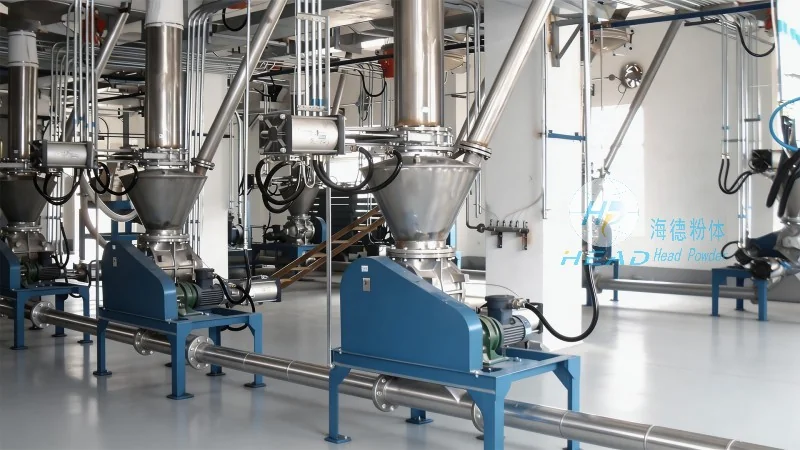
Types of Water Glass Transportation Methods
Several methods are commonly employed for transporting water glass, each with its own advantages and limitations. The choice of method depends on factors such as the volume of material to be moved, the distance of transportation, the required flow rate, and the physical properties of the water glass itself. Traditional methods include gravity flow, where the material is moved by gravity through a sloped pipe, and mechanical pumping, which uses pumps to force the material through a pipeline. However, these methods may face challenges with viscous or abrasive materials like water glass, leading to increased wear and maintenance costs.
Water Glass Pneumatic Conveying: Principles and Benefits
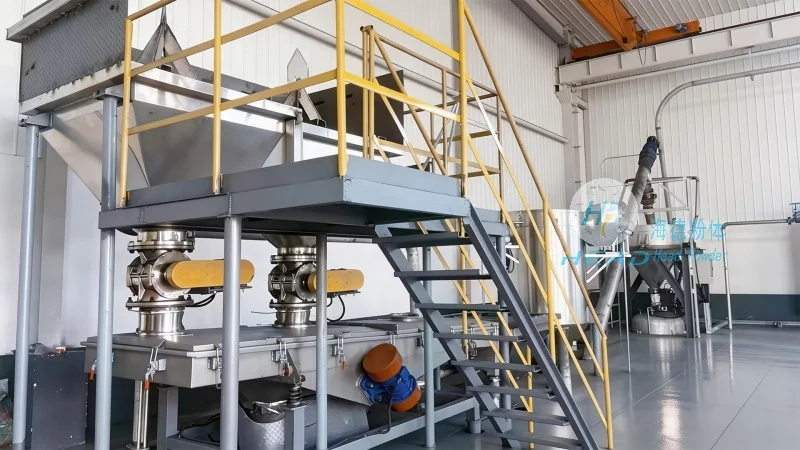
Pneumatic conveying, also known as air conveying, is a method that uses compressed air to transport solid materials, including water glass, through a pipeline. This technique offers several advantages over traditional methods. First, it eliminates the need for mechanical components that come into direct contact with the material, reducing wear and tear and extending the lifespan of the system. Second, pneumatic conveying systems can handle a wide range of water glass viscosities and concentrations, making them suitable for both low and high-volume applications. Third, the system can be designed for both dilute-phase and dense-phase conveying, allowing for flexibility in operation. The dilute-phase system uses low air-to-material ratios, resulting in high flow rates and minimal pressure drops, while the dense-phase system uses higher air-to-material ratios, providing more control over the material flow and reducing the risk of material degradation.
Components of a Water Glass Pneumatic Conveying System
A typical water glass pneumatic conveying system consists of several key components, each playing a critical role in the overall operation. The main components include a material feed hopper, a rotary airlock valve, a conveying pipeline, a receiver or discharge hopper, and a dust collector. The material feed hopper is used to store and feed the water glass into the system, while the rotary airlock valve ensures a controlled and continuous flow of material into the pipeline. The conveying pipeline is where the material is transported by the compressed air, and its design (e.g., straight or curved sections) affects the system's efficiency. The receiver or discharge hopper collects the material at the destination, and the dust collector removes any airborne particles, ensuring a clean and safe operation.
Applications of Water Glass Pneumatic Conveying
Water glass pneumatic conveying is widely used in various industrial applications due to its versatility and efficiency. In the construction industry, it is used to transport water glass for mortar and concrete production, where the material needs to be delivered to different locations on-site. In the glass manufacturing industry, water glass is used as a raw material for glass production, and pneumatic conveying allows for the efficient transfer of the material from storage to the production line. Additionally, in chemical processing plants, water glass is used as a reagent in various chemical reactions, and the pneumatic conveying system ensures a safe and controlled transfer of the material to the processing equipment.
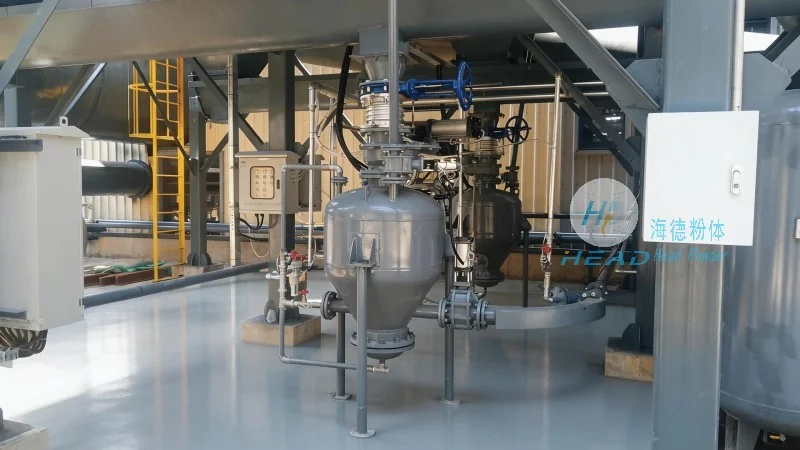
Advantages of Water Glass Pneumatic Conveying
Compared to other transportation methods, water glass pneumatic conveying offers several key advantages. First, it provides a high degree of flexibility, as the system can be easily expanded or modified to accommodate changes in production volume or process requirements. Second, the system is relatively simple to install and maintain, with fewer moving parts compared to mechanical systems. Third, it offers better control over the material flow, reducing the risk of material degradation or contamination. Fourth, the system can be designed to operate in a closed loop, minimizing dust emissions and ensuring a clean working environment. These advantages make pneumatic conveying an attractive option for many industrial applications involving water glass.
Challenges and Solutions in Water Glass Pneumatic Conveying
Despite its advantages, water glass pneumatic conveying may face some challenges, particularly when dealing with highly viscous or abrasive materials. One common challenge is the buildup of material on the pipeline walls, which can reduce the system's efficiency and increase maintenance costs. To address this, the system can be equipped with cleaning mechanisms, such as air jets or mechanical scrapers, to remove the buildup. Another challenge is the risk of material degradation due to high air velocities or temperature changes. To mitigate this, the system can be designed with appropriate air velocities and temperature control measures, ensuring that the material is transported without damage. Additionally, the system may require regular maintenance to ensure optimal performance, including cleaning of the air filters and checking the condition of the pipeline.

 Công ty TNHH Kỹ thuật Công trình Bột Hải Đức Sơn Đông
 156-6277-7102(Quản lý Trương)
  0531-83386006
  Quận Chương Khâu, Thành phố Tế Nam, Tỉnh Sơn Đông, Trung Quốc
Điện thoại
WeChatTư vấn
Lên đầu