Công ty Hải Đức Bột với hơn 10 năm kinh nghiệm vận chuyển khí, cung cấp hệ thống‑thiết bị‑quạt gió và nhận dự án tổng thầu bột cả nước
When it comes to handling catalysts in industrial processes, selecting the right delivery method is crucial for efficiency, safety, and overall operational performance. Catalysts are often used in chemical reactions to accelerate or facilitate processes, and their transportation from storage to the point of use requires careful consideration. This article explores common catalyst delivery methods, with a focus on the advantages and applications of pneumatic conveying as a key technique.
Pneumatic Conveying: A Primary Method for Catalyst Transport
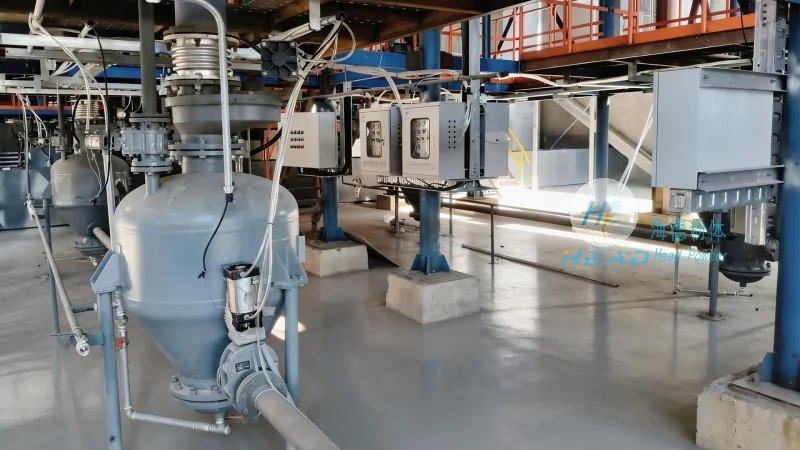
Pneumatic conveying is a widely used technique for transporting bulk materials, including catalyst powders, through a system of pipes using air or other gases. This method offers several benefits that make it suitable for catalyst delivery. For instance, it can handle fine powders without the need for mechanical components that might cause contamination or degradation. The process typically involves a hopper where the catalyst is loaded, a conveyor system that uses compressed air to move the material through the pipeline, and a receiver where the catalyst is deposited. This method is particularly effective for materials that are sensitive to moisture or air exposure, as the sealed system prevents contamination and maintains product integrity.
Key Advantages of Pneumatic Conveying for Catalysts
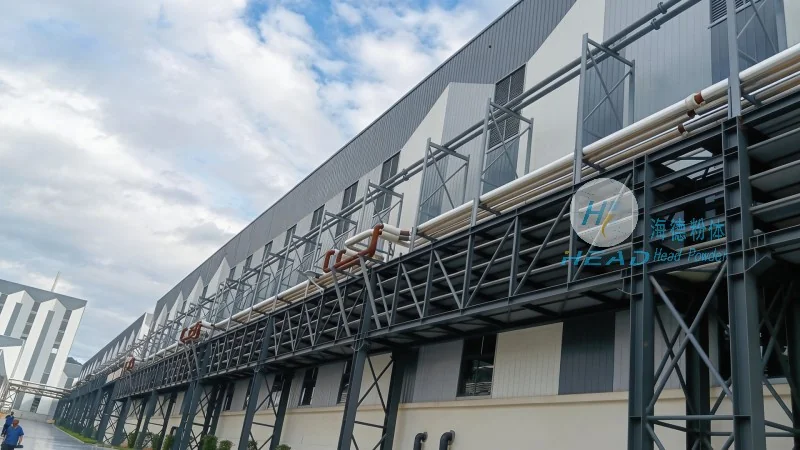
One of the main advantages of pneumatic conveying is its ability to handle a wide range of particle sizes and densities. Catalysts can vary significantly in their physical properties, and pneumatic systems can be designed to accommodate these variations. Additionally, this method allows for continuous or batch operation, providing flexibility in production schedules. Another significant benefit is the reduced risk of product degradation compared to other methods, such as mechanical conveying, which may cause friction and heat generation. The sealed system also minimizes dust emissions, enhancing workplace safety and compliance with environmental regulations.
Applications in Industrial Catalyst Processing
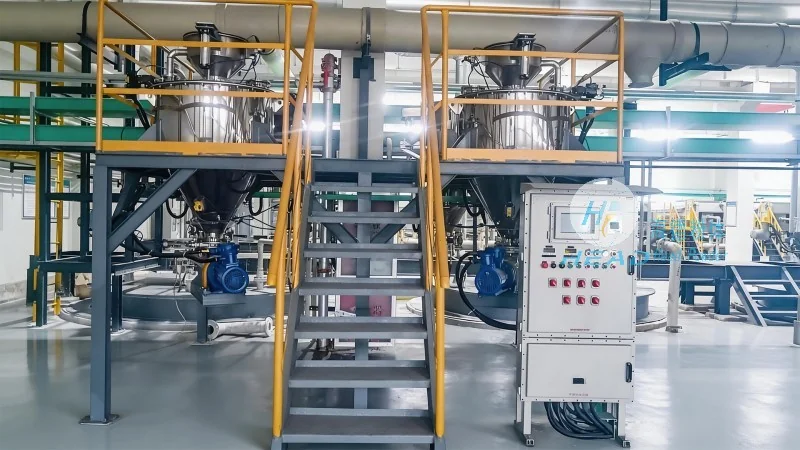
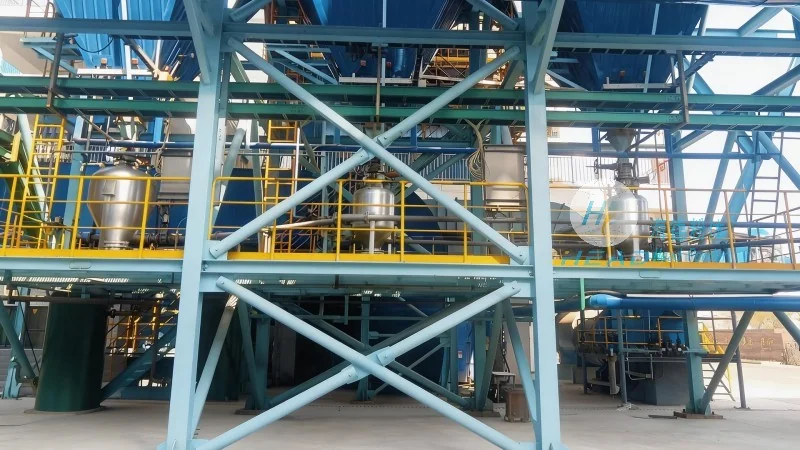
Pneumatic conveying is commonly used in various industrial applications involving catalysts. For example, in petrochemical plants, catalysts are often transported from storage silos to reactors or regeneration units. The process ensures that the catalyst is delivered in a controlled manner, maintaining the desired composition and preventing loss or contamination. In pharmaceutical manufacturing, where catalysts are used in fine chemical synthesis, pneumatic conveying helps maintain the purity of the catalyst, which is critical for product quality. Furthermore, in environmental applications, such as catalytic converters in vehicles or industrial scrubbers, the efficient delivery of catalysts ensures optimal performance and longevity of the equipment.
Considerations for Implementing Pneumatic Conveying Systems
While pneumatic conveying offers many advantages, there are several factors to consider when implementing such a system for catalyst delivery. The first is the material's properties, including its flowability, moisture content, and particle size distribution. These factors determine the type of conveying system (e.g., pressure or vacuum) and the necessary equipment, such as airlocks and cyclones. Another consideration is the system's capacity and the required flow rate, which must match the production demands. Energy consumption is also a key factor, as pneumatic systems can be energy-intensive, especially for long-distance or high-volume transport. Maintenance and cleaning are additional considerations, as the system must be designed to prevent clogging and ensure consistent performance over time.

 Công ty TNHH Kỹ thuật Công trình Bột Hải Đức Sơn Đông
 156-6277-7102(Quản lý Trương)
  0531-83386006
  Quận Chương Khâu, Thành phố Tế Nam, Tỉnh Sơn Đông, Trung Quốc
Điện thoại
WeChatTư vấn
Lên đầu