Công ty Hải Đức Bột với hơn 10 năm kinh nghiệm vận chuyển khí, cung cấp hệ thống‑thiết bị‑quạt gió và nhận dự án tổng thầu bột cả nước
Efficient and reliable transportation of potassium carbonate fertilizer is crucial for agricultural operations and industrial applications alike. As a key component in fertilizers, potassium carbonate plays a vital role in enhancing crop yields and soil health. However, the physical properties of this material, such as its granular or powder form, pose unique challenges when it comes to handling and moving it from storage to processing or application sites. This article explores common methods for transporting potassium carbonate fertilizer, with a particular focus on air-driven (pneumatic) conveying systems, and introduces the expertise of Shandong HeadPowder Engineering Co., Ltd. in providing tailored solutions for these challenges.
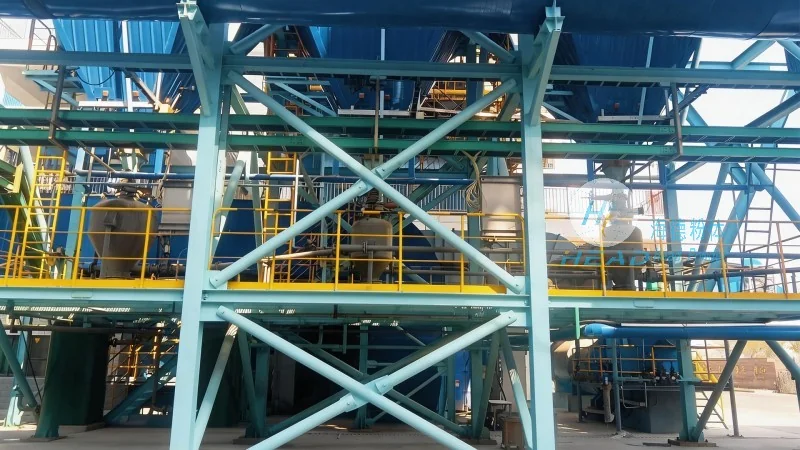
Understanding the Importance of Proper Conveying for Potassium Carbonate Fertilizer
Potassium carbonate fertilizer is often used in various forms, including granules, powders, or prills, each with distinct characteristics that affect how it should be transported. The material's reactivity, moisture sensitivity, and potential for dust generation require specialized equipment to ensure safe and efficient movement. Traditional methods like belt conveyors or bucket elevators may not always be suitable due to the risk of material degradation, clogging, or contamination. Therefore, understanding the most effective conveying methods is essential for optimizing operational efficiency and maintaining product quality.
Shandong HeadPowder Engineering Co., Ltd.: A Leader in Fertilizer Conveying Solutions
Shandong HeadPowder Engineering Co., Ltd., commonly known as HeadPowder, is a reputable company based in Shandong, China, specializing in the design, manufacturing, and installation of advanced conveying systems for the fertilizer industry. With years of experience and a deep understanding of material handling technologies, HeadPowder has become a trusted partner for agricultural and industrial clients seeking reliable solutions for transporting potassium carbonate and other fertilizers. The company's commitment to innovation and customer satisfaction has enabled it to develop customized systems that meet the specific needs of each project, ensuring optimal performance and longevity.
Common Conveying Methods for Potassium Carbonate Fertilizer
Several methods are commonly employed for transporting potassium carbonate fertilizer, each with its own advantages and limitations. The choice of method depends on factors such as the material's form, the distance to be covered, the required flow rate, and the available space. Below are some of the most prevalent approaches:
Belt Conveyors: A Traditional but Effective Option
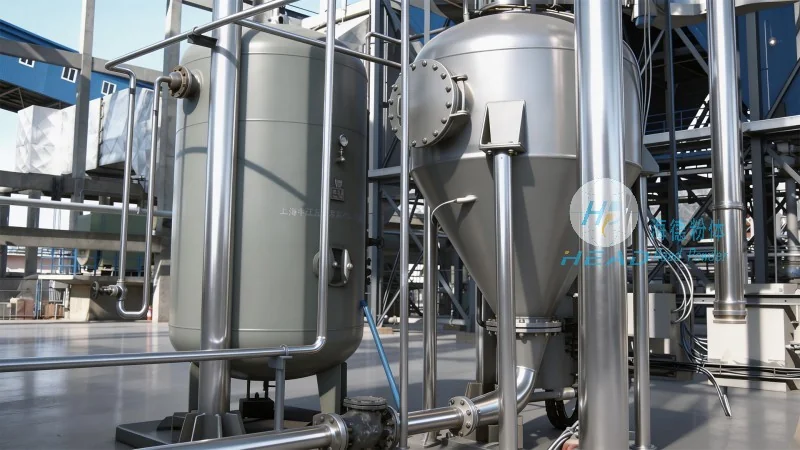
Belt conveyors are widely used in fertilizer handling due to their simplicity, durability, and ability to transport large volumes of material over long distances. These systems consist of a continuous belt that moves material from a loading point to a discharge point, often with the help of idlers and pulleys. For potassium carbonate fertilizer, belt conveyors can be designed with special materials to prevent sticking or wear, ensuring smooth operation. However, they may not be ideal for fine powders or materials prone to dust generation, as the open design can lead to environmental issues and material loss.
Bucket Elevators: Vertical Transport Solutions
Bucket elevators are an excellent choice for vertical transportation of potassium carbonate fertilizer, especially when the material needs to be lifted to higher levels for processing or storage. These systems use a series of buckets attached to a chain or belt that moves vertically, carrying the material upward. Bucket elevators are known for their high capacity and ability to handle bulk materials efficiently. They are particularly suitable for granular or coarse materials, as the buckets can effectively grip and transport the material without spillage. However, they may require more maintenance than other systems and can be less flexible for horizontal transport.
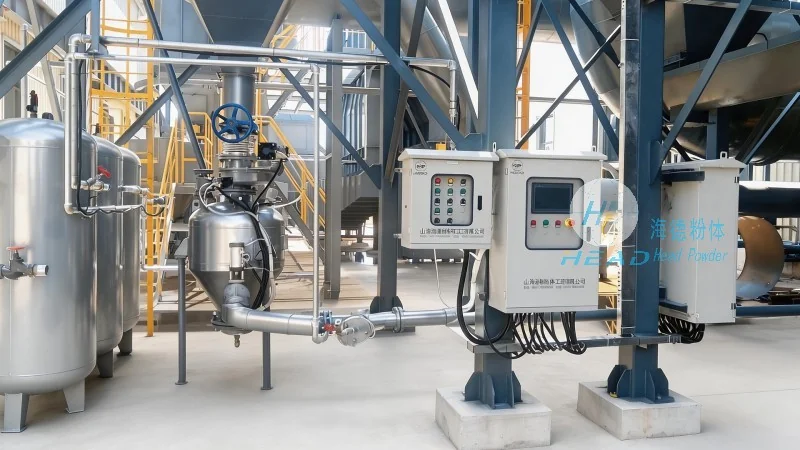
Air-Driven (Pneumatic) Conveying: The Preferred Method for Many Applications
Air-driven or pneumatic conveying systems have gained significant popularity in the fertilizer industry due to their versatility, efficiency, and ability to handle a wide range of material types, including fine powders and granules. This method uses compressed air to transport material through a pipeline, eliminating the need for mechanical components like belts or buckets. There are two main types of pneumatic conveying: pressure and vacuum systems. Pressure systems use compressed air to push material through the line, while vacuum systems use a vacuum to pull material into the pipeline.
Pressure Pneumatic Conveying Systems
Pressure pneumatic conveying systems are commonly used for short to medium distances and for transporting materials from a central storage point to multiple discharge points. These systems operate by injecting compressed air into the material stream, creating a mixture that is then propelled through the pipeline. The air pressure is typically maintained at a level that ensures the material remains suspended and moves smoothly. Pressure systems are effective for handling fine powders and can be designed with multiple branches to serve different locations. However, they may require higher air pressure and more energy compared to vacuum systems, and the material may need to be pre-dried to prevent clogging.
Vacuum Pneumatic Conveying Systems
Vacuum pneumatic conveying systems are ideal for long-distance transport and for moving material from multiple sources to a central processing point. These systems use a vacuum pump to create a negative pressure in the pipeline, drawing material from the source into the line. The material is then transported to the discharge point, where the air is released and the material is deposited. Vacuum systems are particularly suitable for handling materials that are difficult to push, such as fine powders or materials with high moisture content. They are also more energy-efficient than pressure systems for long distances, as the vacuum pump can operate at lower pressures. However, vacuum systems may have limitations in terms of maximum distance and material capacity, and they require careful design to prevent air leakage and maintain suction.
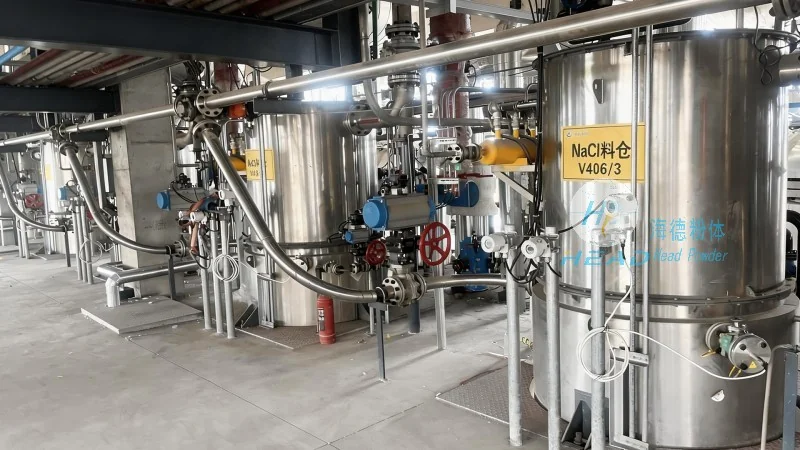
Advantages of Air-Driven Conveying for Potassium Carbonate Fertilizer
Compared to traditional mechanical conveying methods, air-driven systems offer several advantages that make them a preferred choice for many applications. First, they are more flexible and can be easily adapted to changing operational needs, as the pipeline can be extended or reconfigured without major modifications. Second, they are less prone to material degradation and contamination, as the material is enclosed within the pipeline and is not exposed to the environment. Third, they can handle a wide range of material types and sizes, from fine powders to coarse granules, without the risk of clogging or wear. Fourth, they are more energy-efficient for long distances, as the vacuum pump can operate at lower pressures compared to pressure systems. Finally, they are safer to operate, as there are no moving parts in direct contact with the material, reducing the risk of accidents or injuries.
Choosing the Right Conveying System for Your Potassium Carbonate Fertilizer Operation
When selecting a conveying system for potassium carbonate fertilizer, it is essential to consider several factors to ensure the best performance and cost-effectiveness. First, the material's physical properties, such as particle size, moisture content, and reactivity, should be evaluated to determine the most suitable method. Second, the distance and layout of the operation should be considered, as different systems are better suited for short or long distances. Third, the required flow rate and capacity should be determined to ensure the system can meet the operational demands. Fourth, the available space and budget should be taken into account, as some systems may require more space or have higher initial costs. Finally, the reliability and maintenance requirements of the system should be considered, as downtime can have a significant impact on productivity and profitability.
Conclusion: Optimizing Potassium Carbonate Fertilizer Conveying with Expert Solutions
Efficient and reliable transportation of potassium carbonate fertilizer is critical for maximizing operational efficiency and maintaining product quality. While various conveying methods are available, air-driven (pneumatic) systems have emerged as a preferred choice due to their versatility, efficiency, and ability to handle a wide range of material types. Shandong HeadPowder Engineering Co., Ltd. offers expert solutions tailored to the specific needs of fertilizer operations, ensuring that clients can choose the most suitable conveying system for their applications. By leveraging the company's experience and innovative technologies, agricultural and industrial clients can optimize their material handling processes, reduce costs, and enhance overall productivity. Whether it's a belt conveyor, bucket elevator, or pneumatic system, HeadPowder provides comprehensive solutions that meet the highest standards of performance and reliability.

 Công ty TNHH Kỹ thuật Công trình Bột Hải Đức Sơn Đông
 156-6277-7102(Quản lý Trương)
  0531-83386006
  Quận Chương Khâu, Thành phố Tế Nam, Tỉnh Sơn Đông, Trung Quốc
Điện thoại
WeChatTư vấn
Lên đầu