Công ty Hải Đức Bột với hơn 10 năm kinh nghiệm vận chuyển khí, cung cấp hệ thống‑thiết bị‑quạt gió và nhận dự án tổng thầu bột cả nước
When it comes to handling nitrile rubber, selecting the right conveying method is crucial for ensuring efficiency, material integrity, and operational safety. Nitrile rubber, or NBR, is a synthetic rubber polymer known for its excellent resistance to oil, fuel, and chemicals, making it widely used in industrial applications such as automotive, aerospace, and manufacturing. The choice of conveying system depends on factors like material properties, production scale, and environmental considerations. In this article, we will explore common nitrile rubber conveying methods, with a special focus on the advantages and applications of pneumatic conveying systems.
Understanding Nitrile Rubber and Its Conveying Challenges
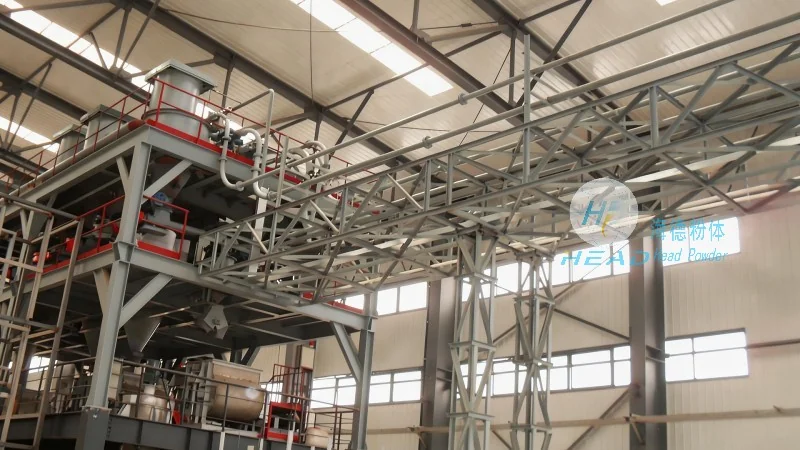
Nitrile rubber, or NBR, is a synthetic rubber polymer that combines the properties of natural rubber and butadiene rubber. Its unique chemical structure makes it highly resistant to petroleum-based oils, fuels, and various chemicals, making it ideal for applications where exposure to these substances is common. However, due to its relatively high density and potential for static buildup, nitrile rubber presents specific challenges during material handling and conveying. Proper equipment selection and system design are essential to maintain the material's quality and prevent damage or contamination.
Common Nitrile Rubber Conveying Methods
Several methods are employed for transporting nitrile rubber, each with its own set of advantages and limitations. The primary methods include gravity conveyors, mechanical conveyors, and pneumatic conveying systems. Each method is suited to different operational scenarios and material characteristics.
Gravity Conveying Systems
Gravity conveying relies on the natural force of gravity to move materials from a higher elevation to a lower one. For nitrile rubber, this method is often used in applications where the material is stored in elevated hoppers or silos and needs to be discharged into lower-level processing equipment. Gravity chutes or troughs are commonly used, allowing the rubber to flow smoothly without the need for external power. This method is cost-effective and low-maintenance, making it suitable for smaller-scale operations or where the material is relatively free-flowing. However, it is limited by the need for a sufficient vertical drop and may not be suitable for long horizontal distances or for materials that tend to stick together.
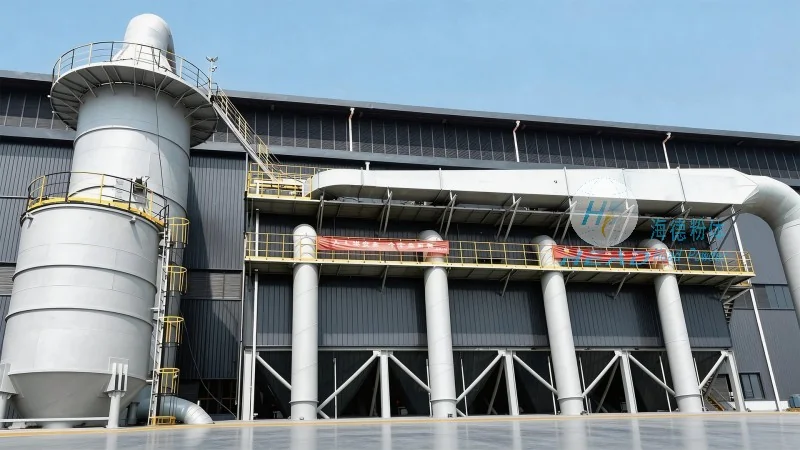
Mechanical Conveying Systems
Mechanical conveyors use mechanical components such as belts, screws, or chains to transport nitrile rubber. Belt conveyors are widely used for horizontal or slight incline transport, while screw conveyors are effective for vertical or inclined movement. These systems provide consistent and controlled material flow, making them ideal for applications requiring precise dosing or continuous operation. Mechanical conveyors are generally robust and can handle a wide range of material conditions, including those with some moisture or contamination. However, they may require regular maintenance to prevent wear and tear, and they can generate more noise and vibration compared to pneumatic systems.
Pneumatic Conveying Systems: The Preferred Solution for Nitrile Rubber
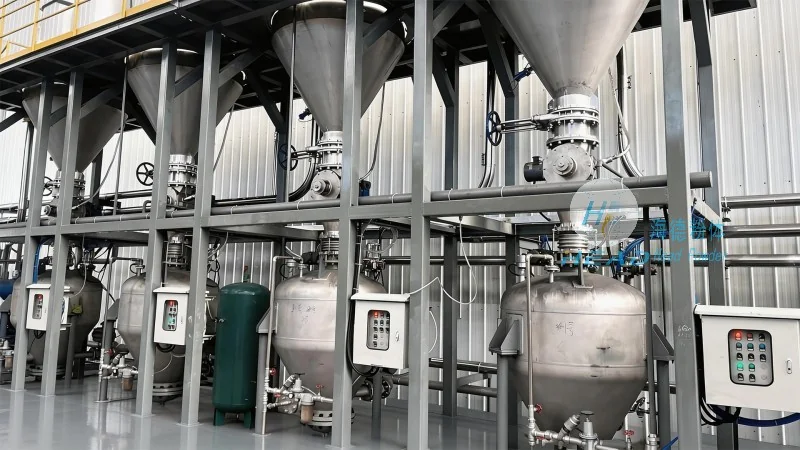
Pneumatic conveying, also known as air conveying, uses compressed air to transport nitrile rubber particles or pellets through a pipeline. This method offers several advantages that make it particularly suitable for nitrile rubber handling. First, it provides a closed system, which helps prevent dust contamination and environmental exposure. Second, it allows for precise control over material flow rates and can handle both dry and slightly moist materials without causing degradation. Third, pneumatic systems are flexible and can be easily integrated into existing production lines, with the ability to transport materials over long distances or through complex layouts.
Key Components of Nitrile Rubber Pneumatic Conveying Systems
A typical nitrile rubber pneumatic conveying system consists of several key components. These include a hopper or feeder to store and feed the material, a blower or compressor to generate the air flow, a pipeline network to transport the material, and a receiver or discharge hopper to collect the material at the destination. The system may also include filters to remove dust from the air, and controls to regulate the air pressure and flow rate. The choice of components depends on the specific application, with considerations such as material size, density, and the required conveying distance.
Advantages of Nitrile Rubber Pneumatic Conveying
Compared to other conveying methods, pneumatic systems offer several benefits for nitrile rubber. The closed system design minimizes dust exposure, which is critical for maintaining material purity and ensuring compliance with environmental regulations. It also reduces the risk of material contamination from external sources. Additionally, pneumatic conveying can handle materials with varying properties, including those that are sticky or have a tendency to agglomerate. The ability to transport materials over long distances without the need for multiple transfer points makes it a cost-effective solution for large-scale operations. Furthermore, the system can be easily automated, allowing for consistent and reliable material handling, which is essential for maintaining production efficiency.
Applications of Nitrile Rubber Pneumatic Conveying
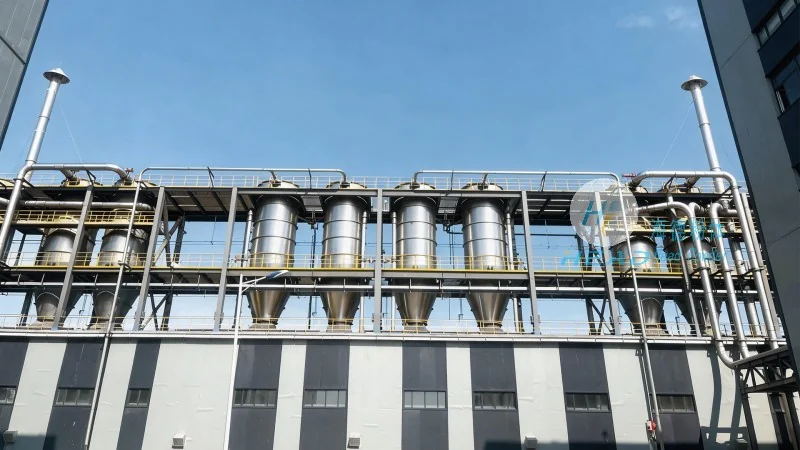
Nitrile rubber pneumatic conveying systems are widely used in various industries. In the automotive sector, they are used to transport nitrile rubber compounds for tire manufacturing and other components. In the aerospace industry, they are employed to handle nitrile rubber parts for seals and gaskets. The manufacturing of industrial hoses, seals, and other rubber products also relies on pneumatic conveying to move raw materials and finished goods. Additionally, in the chemical and petrochemical industries, these systems are used to transport nitrile rubber for applications involving oil and chemical resistance.
Considerations for Implementing Nitrile Rubber Pneumatic Conveying
While pneumatic conveying offers many advantages, there are several factors to consider when implementing such a system. The first is the material's properties, including its density, particle size, and tendency to generate static electricity. Proper system design, such as using anti-static materials and appropriate air velocities, is essential to prevent material buildup and ensure smooth flow. Second, the system's capacity and pressure requirements must be carefully evaluated to match the production needs. Third, maintenance and cleaning are critical to prevent clogging and ensure long-term performance. Regular inspection of components like filters and blowers is necessary to maintain optimal operation.
Conclusion
Choosing the right nitrile rubber conveying method is essential for optimizing production efficiency and maintaining material quality. While gravity and mechanical conveyors have their uses, pneumatic conveying systems, particularly for nitrile rubber, offer superior performance in terms of material handling, contamination control, and operational flexibility. By understanding the specific requirements of the application and selecting the appropriate system components, manufacturers can ensure reliable and efficient nitrile rubber transport. Shandong HeadPowder Engineering Co., Ltd., a leading provider of engineering solutions, specializes in designing and implementing custom nitrile rubber conveying systems tailored to meet the unique needs of industrial clients. With a focus on quality, innovation, and customer satisfaction, HeadPowder Engineering helps businesses enhance their material handling processes and achieve greater operational efficiency.

 Công ty TNHH Kỹ thuật Công trình Bột Hải Đức Sơn Đông
 156-6277-7102(Quản lý Trương)
  0531-83386006
  Quận Chương Khâu, Thành phố Tế Nam, Tỉnh Sơn Đông, Trung Quốc
Điện thoại
WeChatTư vấn
Lên đầu