Công ty Hải Đức Bột với hơn 10 năm kinh nghiệm vận chuyển khí, cung cấp hệ thống‑thiết bị‑quạt gió và nhận dự án tổng thầu bột cả nước
Ternary materials, widely used in lithium-ion batteries and other high-tech applications, require efficient and reliable transport systems to ensure smooth production processes. The choice of transport method significantly impacts operational efficiency, material integrity, and overall production costs. This article explores common transport methods for ternary materials, with a focus on the advantages and applications of pneumatic conveying, a key technology in modern material handling.
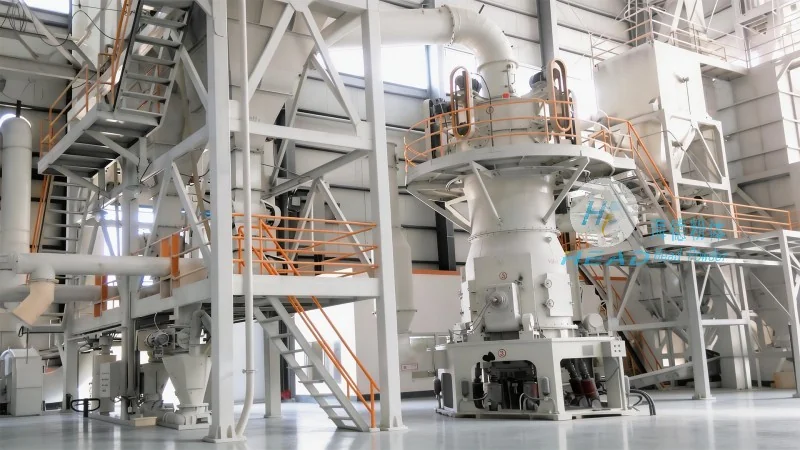
Overview of Ternary Material Transport Options
When selecting a transport method for ternary materials, several factors must be considered, including material properties (such as particle size, moisture content, and abrasiveness), production scale, and the need for contamination control. Traditional methods like belt conveyors and screw conveyors are widely used but may face limitations with fine or hygroscopic materials. In contrast, pneumatic conveying offers a flexible and effective solution for handling ternary materials, especially in environments where dust control and material purity are critical.
Pneumatic Conveying: A Detailed Overview
Pneumatic conveying is a technology that uses air or other gases to transport bulk materials through a pipeline system. This method is particularly suitable for ternary materials due to its ability to handle fine powders, minimize material degradation, and maintain a closed system to prevent contamination. The process typically involves a blower or compressor that generates airflow, which draws or pushes the material through the pipeline. There are two main types of pneumatic conveying: pressure and vacuum systems, each with distinct applications and advantages.
Key Advantages of Pneumatic Conveying for Ternary Materials
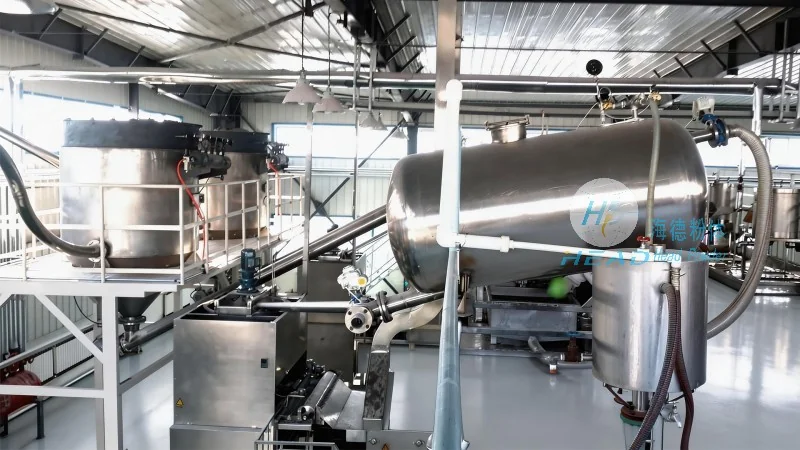
For ternary materials, pneumatic conveying offers several key advantages that make it a preferred choice in many industries. First, it provides excellent dust control, as the material is contained within a sealed pipeline, reducing airborne dust and improving workplace safety. Second, the closed system helps maintain material purity, which is crucial for sensitive applications like battery manufacturing. Third, pneumatic conveying can handle a wide range of particle sizes and moisture contents, making it versatile for different ternary material formulations. Additionally, the system can be easily integrated with other production equipment, such as mixers and extruders, to streamline the manufacturing process.
Applications of Pneumatic Conveying in Ternary Material Production
Pneumatic conveying is widely used in the production of ternary lithium batteries, where the transport of active materials like nickel, cobalt, manganese, and lithium compounds is critical. The technology is employed in various stages of the battery manufacturing process, including material blending, feeding into mixers, and transporting to extrusion or coating lines. For example, in a battery cell production line, pneumatic conveying systems can efficiently transport the ternary material from storage silos to the mixing equipment, ensuring consistent material flow and quality control. This integration enhances production efficiency and reduces downtime associated with manual material handling.
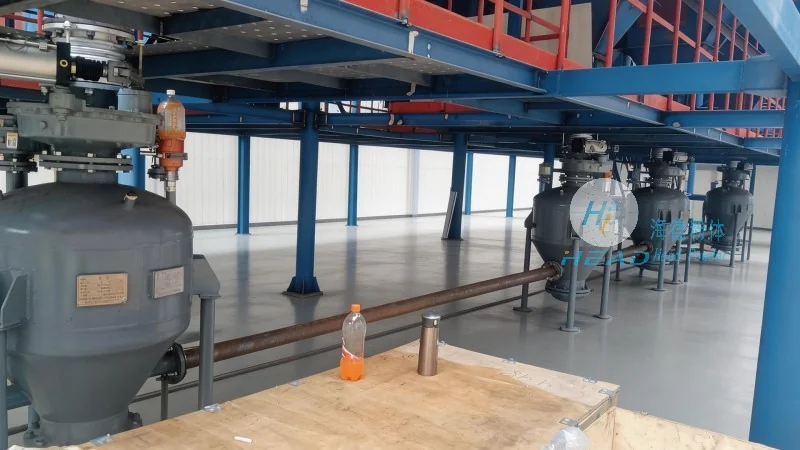
Considerations for Implementing Pneumatic Conveying Systems
While pneumatic conveying offers significant benefits, several considerations must be addressed when implementing such systems for ternary materials. First, the design of the pipeline system must account for the material's properties, such as its abrasiveness and tendency to clog. Proper pipeline sizing and the use of wear-resistant materials are essential to prevent system damage and ensure long-term reliability. Second, the selection of the blower or compressor is critical, as it must provide sufficient airflow and pressure to handle the material's characteristics. Additionally, maintenance and cleaning procedures are important to prevent material buildup and ensure consistent performance. Regular inspection of the system components, such as filters and valves, is necessary to maintain optimal operation.
Conclusion: Choosing the Right Transport Method for Ternary Materials
In conclusion, the choice of transport method for ternary materials depends on the specific requirements of the production process. While traditional methods like belt and screw conveyors are effective for some applications, pneumatic conveying stands out as a superior option for handling fine, sensitive materials. The advantages of dust control, material purity, and system flexibility make pneumatic conveying an ideal choice for modern battery manufacturing and other high-tech industries. By carefully evaluating the material properties and production needs, manufacturers can select the most appropriate transport method to enhance operational efficiency and product quality.

 Công ty TNHH Kỹ thuật Công trình Bột Hải Đức Sơn Đông
 156-6277-7102(Quản lý Trương)
  0531-83386006
  Quận Chương Khâu, Thành phố Tế Nam, Tỉnh Sơn Đông, Trung Quốc
Điện thoại
WeChatTư vấn
Lên đầu