Công ty Hải Đức Bột với hơn 10 năm kinh nghiệm vận chuyển khí, cung cấp hệ thống‑thiết bị‑quạt gió và nhận dự án tổng thầu bột cả nước
When it comes to the efficient handling and transportation of cement aggregates, selecting the right conveying method is crucial for optimizing industrial processes. Various technologies are available, each with its own advantages and applications. This article provides an overview of common cement aggregate conveying methods, with a focus on the benefits and functionality of pneumatic conveying systems.
Understanding Cement Aggregate Conveying Systems
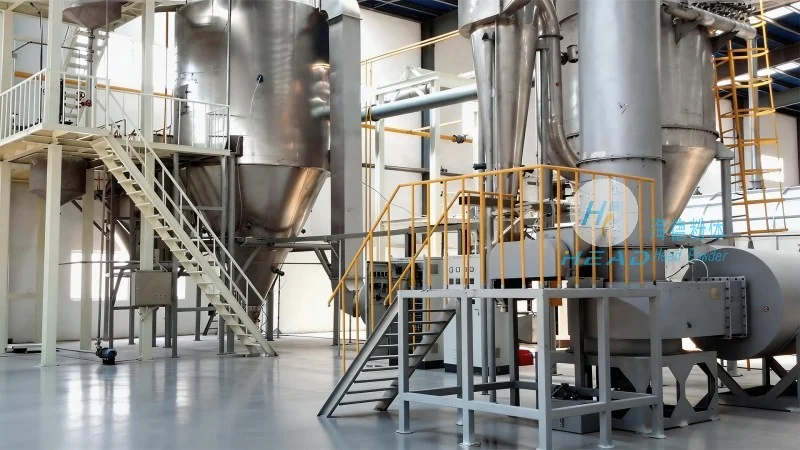
Cement aggregates, such as sand, gravel, and crushed stone, are essential raw materials in the construction and manufacturing industries. The process of transporting these materials from storage to processing units requires reliable and efficient systems to ensure smooth workflow and minimize downtime. Traditional methods like belt conveyors and screw conveyors have been widely used, but modern industrial demands often necessitate more flexible and versatile solutions. Pneumatic conveying, in particular, has emerged as a preferred choice for many applications due to its ability to handle a wide range of materials and provide a clean, dust-free operation.
Pneumatic Conveying: A Detailed Overview
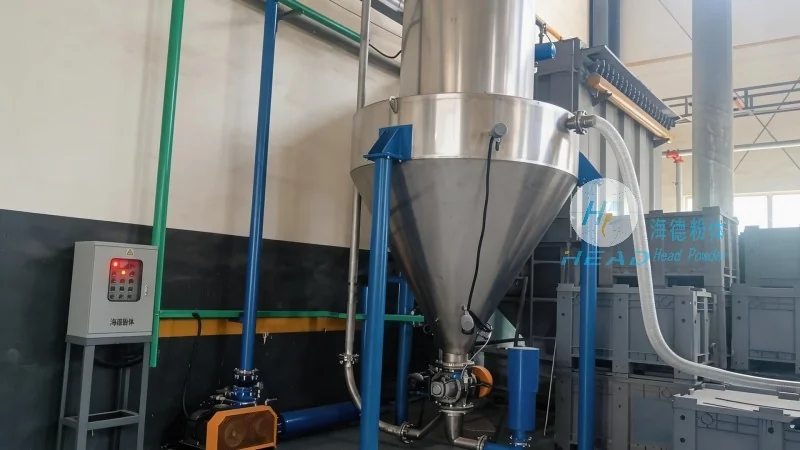
Pneumatic conveying systems utilize air or gas to transport bulk materials through a pipeline network. This method is particularly effective for cement aggregates because it can handle fine particles and abrasive materials without causing wear and tear on equipment. The system typically consists of a blower or compressor, a hopper for material storage, and a pipeline system that directs the material to its destination. There are two main types of pneumatic conveying: pressure and vacuum systems. Pressure systems use compressed air to push material through the pipeline, while vacuum systems use a vacuum to draw material from the source. Both types offer advantages depending on the specific application and distance requirements. HeadPowder Engineering Co., Ltd., a leading manufacturer in the field, specializes in designing and implementing customized pneumatic conveying solutions tailored to the unique needs of cement and aggregate processing facilities.
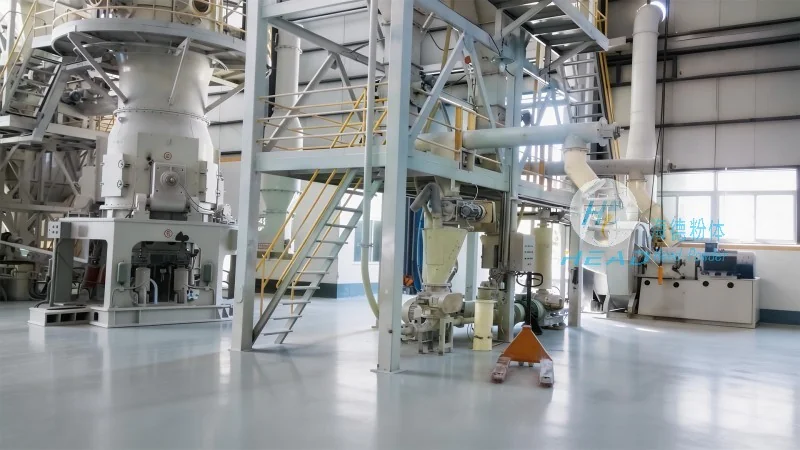
Key Benefits of Pneumatic Conveying for Cement Aggregates
One of the primary advantages of pneumatic conveying is its ability to handle materials in a dust-free environment. This is especially important for cement aggregates, which can generate significant dust when handled by traditional methods. By containing the material within a sealed pipeline, pneumatic systems reduce the risk of dust exposure for workers and minimize environmental contamination. Additionally, pneumatic conveying offers high throughput rates, allowing for the efficient transport of large volumes of aggregates. The system can also be easily integrated with other processing equipment, such as mixers and crushers, to create a seamless production line. Another benefit is the reduced need for maintenance compared to mechanical conveyors, as there are fewer moving parts and less wear from abrasive materials.
Applications in the Cement Industry
Pneumatic conveying is widely used in the cement industry for various applications. For example, it is commonly employed to transport raw materials from storage silos to the grinding mills, where they are processed into cement. The system can also be used to convey finished cement products from the production line to storage silos or shipping containers. In addition, pneumatic conveying is used in the handling of additives and other supplementary materials, such as fly ash and slag, which are often added to cement to improve its properties. The flexibility of pneumatic systems allows them to be adapted to different production scenarios, making them a versatile solution for cement manufacturers.
Considerations for Implementing Pneumatic Conveying Systems
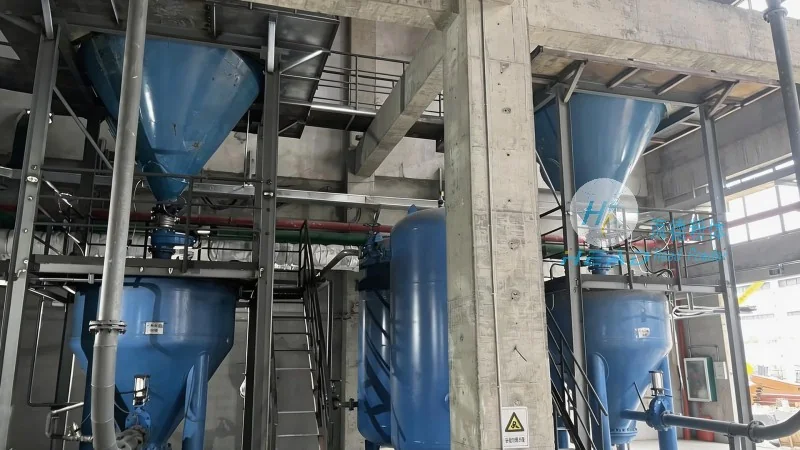
While pneumatic conveying offers numerous benefits, there are several factors to consider when implementing such a system. The first is the material characteristics, including particle size, density, and moisture content. These factors can affect the system's efficiency and require proper design considerations. The second is the distance and layout of the conveying route, as the system's performance is influenced by the length and complexity of the pipeline. Additionally, the choice of blower or compressor type is critical, as it determines the system's capacity and energy efficiency. Proper maintenance and regular inspections are also essential to ensure the system operates at optimal performance and to prevent potential issues such as blockages or air leaks.
Conclusion
In conclusion, pneumatic conveying is a highly effective method for transporting cement aggregates, offering advantages such as dust-free operation, high throughput, and flexibility. As industrial demands continue to evolve, the adoption of advanced conveying technologies like pneumatic systems will likely increase. For companies in the cement industry, investing in a well-designed pneumatic conveying system can lead to improved efficiency, reduced operational costs, and enhanced product quality. By understanding the benefits and considerations of pneumatic conveying, manufacturers can make informed decisions to optimize their material handling processes.

 Công ty TNHH Kỹ thuật Công trình Bột Hải Đức Sơn Đông
 156-6277-7102(Quản lý Trương)
  0531-83386006
  Quận Chương Khâu, Thành phố Tế Nam, Tỉnh Sơn Đông, Trung Quốc
Điện thoại
WeChatTư vấn
Lên đầu