Công ty Hải Đức Bột với hơn 10 năm kinh nghiệm vận chuyển khí, cung cấp hệ thống‑thiết bị‑quạt gió và nhận dự án tổng thầu bột cả nước
Conveying synthetic fibers efficiently is a critical aspect of various industrial processes, particularly in manufacturing, textile production, and material handling. The choice of conveying method significantly impacts operational efficiency, product quality, and overall system reliability. This article provides an overview of common synthetic fiber conveying methods, with a focus on air-flow conveying as a prominent technique.
Introduction to Synthetic Fiber Conveying
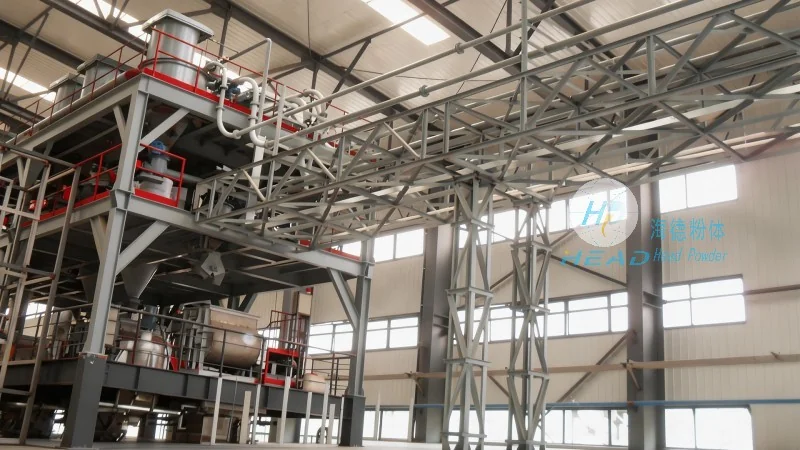
Synthetic fibers, such as polyester, nylon, and acrylic, are widely used in industries ranging from textiles to composites. Their lightweight, durable, and versatile properties make them essential raw materials. However, the fine and often abrasive nature of these fibers poses unique challenges during transportation. Traditional methods like belt conveyors or screw conveyors may not be suitable due to fiber entanglement, static buildup, or material degradation. Therefore, specialized conveying systems are required to maintain fiber integrity and ensure smooth operation.
About HeadPowder: A Leading Provider of Conveying Solutions
HeadPowder, or Shandong HeadPowder Engineering Co., Ltd., is a reputable company based in China, specializing in the design, manufacturing, and installation of advanced material handling systems. With a strong commitment to innovation and quality, HeadPowder has established itself as a trusted partner for industries seeking reliable synthetic fiber conveying solutions. The company's expertise lies in developing customized systems that address the specific needs of clients, ensuring optimal performance and durability.
Common Synthetic Fiber Conveying Methods
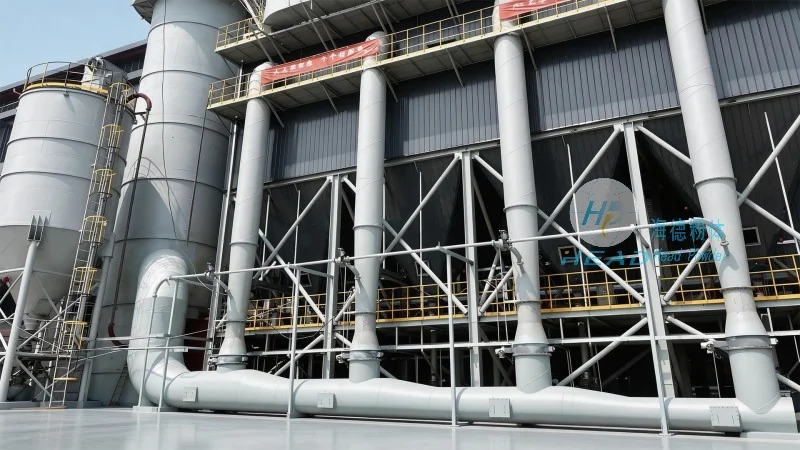
Several methods are employed for transporting synthetic fibers, each with its advantages and limitations. The primary options include mechanical conveyors, pneumatic systems, and hybrid solutions. Mechanical conveyors, like belt or screw conveyors, are commonly used for bulk materials but may struggle with fine fibers. Pneumatic conveying, particularly air-flow systems, offers a more effective solution for synthetic fibers due to its ability to handle fine particles and minimize material degradation.
Understanding Air-Flow Conveying of Synthetic Fibers
Air-flow conveying, also known as pneumatic conveying, is a method that uses compressed air to transport materials through a pipeline. This technique is highly effective for synthetic fibers because it prevents fiber entanglement, reduces static electricity, and maintains product quality. The system typically consists of a hopper, a feeder, a conveying line, and a receiver. The synthetic fibers are fed into the hopper, where they are pneumatically transported to the receiver under controlled air pressure and flow rates.
Key Components of an Air-Flow Synthetic Fiber Conveying System
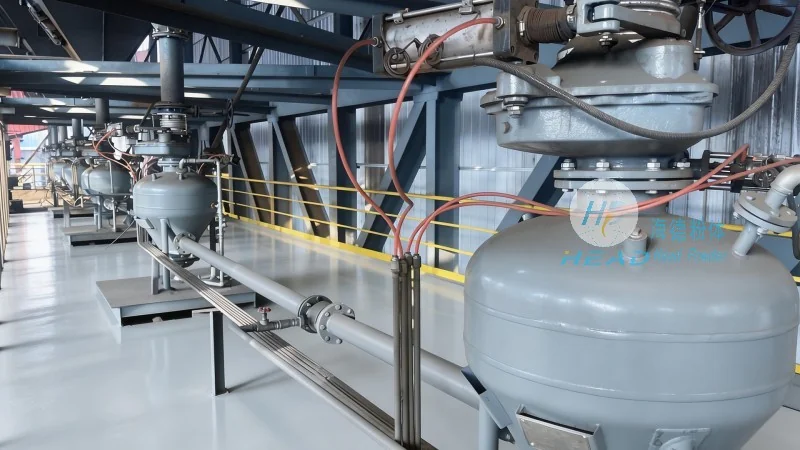
An air-flow conveying system for synthetic fibers includes several critical components that work in tandem to ensure efficient operation. The primary components are the hopper, which stores the synthetic fibers; the feeder, which controls the flow of material into the conveying line; the conveying line, which transports the fibers using compressed air; and the receiver, which collects the material at the destination. Additionally, the system may include filters, cyclones, and pressure regulators to maintain air quality and system stability.
Advantages of Air-Flow Conveying for Synthetic Fibers
Compared to traditional mechanical conveyors, air-flow conveying offers several advantages for synthetic fibers. First, it minimizes fiber damage and degradation, as the fibers are not subjected to friction or abrasion. Second, it reduces the risk of static buildup, which can cause sparks or material contamination. Third, the system is flexible and can be easily integrated into existing production lines. Fourth, it provides a clean and dust-free environment, enhancing workplace safety and product quality. These advantages make air-flow conveying an ideal choice for industries handling fine synthetic fibers.
Applications of Synthetic Fiber Conveying Systems
Synthetic fiber conveying systems are widely used in various applications across different industries. In the textile industry, these systems are used to transport raw fibers to spinning machines and processing equipment. In the composite manufacturing industry, they are employed to deliver fibers to molding and casting processes. Additionally, they are utilized in the production of non-woven fabrics, where uniform fiber distribution is crucial. The versatility of air-flow conveying systems makes them suitable for a wide range of synthetic fiber applications, ensuring consistent performance and product quality.
Customization and Integration: Tailoring Conveying Solutions to Specific Needs
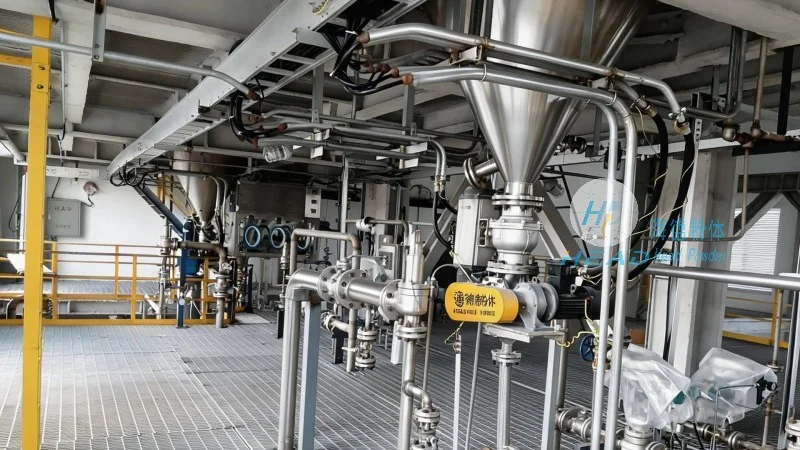
HeadPowder recognizes that each industrial application has unique requirements. Therefore, the company offers customized air-flow conveying solutions tailored to the specific needs of clients. This includes designing systems with varying capacities, pressure levels, and material handling capabilities. The company's engineers work closely with clients to understand their operational challenges and develop solutions that enhance efficiency and productivity. Customization also involves integrating the conveying system with existing equipment, ensuring seamless operation and minimal downtime.
Maintenance and Longevity of Synthetic Fiber Conveying Systems
Proper maintenance is essential to ensure the longevity and reliability of synthetic fiber conveying systems. Regular cleaning of the hopper, feeder, and conveying line is necessary to prevent material buildup and blockages. The air filtration system must be maintained to ensure clean air quality and prevent contamination. Additionally, the pressure regulators and other components should be inspected and serviced periodically to maintain optimal performance. HeadPowder provides comprehensive maintenance services to clients, ensuring that their conveying systems operate efficiently and with minimal disruptions.
Conclusion: Choosing the Right Conveying Method for Synthetic Fibers
In conclusion, the choice of synthetic fiber conveying method depends on various factors, including material properties, production requirements, and operational constraints. Air-flow conveying, particularly with advanced systems from HeadPowder, offers a superior solution for transporting synthetic fibers efficiently and maintaining product quality. By understanding the advantages and components of air-flow conveying systems, industries can make informed decisions to enhance their material handling processes. HeadPowder's expertise in designing and implementing customized conveying solutions ensures that clients receive systems that meet their specific needs and contribute to overall operational success.

 Công ty TNHH Kỹ thuật Công trình Bột Hải Đức Sơn Đông
 156-6277-7102(Quản lý Trương)
  0531-83386006
  Quận Chương Khâu, Thành phố Tế Nam, Tỉnh Sơn Đông, Trung Quốc
Điện thoại
WeChatTư vấn
Lên đầu