Công ty Hải Đức Bột với hơn 10 năm kinh nghiệm vận chuyển khí, cung cấp hệ thống‑thiết bị‑quạt gió và nhận dự án tổng thầu bột cả nước
Designing an efficient and reliable PTA pneumatic conveying system is crucial for industries dealing with polyethylene terephthalate (PTA) materials. A well-planned system ensures smooth material transport, reduces operational costs, and minimizes downtime. This article provides a detailed guide on the key considerations and steps involved in designing a reasonable PTA pneumatic conveying system, presented by Shandong HeadPowder Engineering Co., Ltd., a leading engineering firm based in Shandong, China.
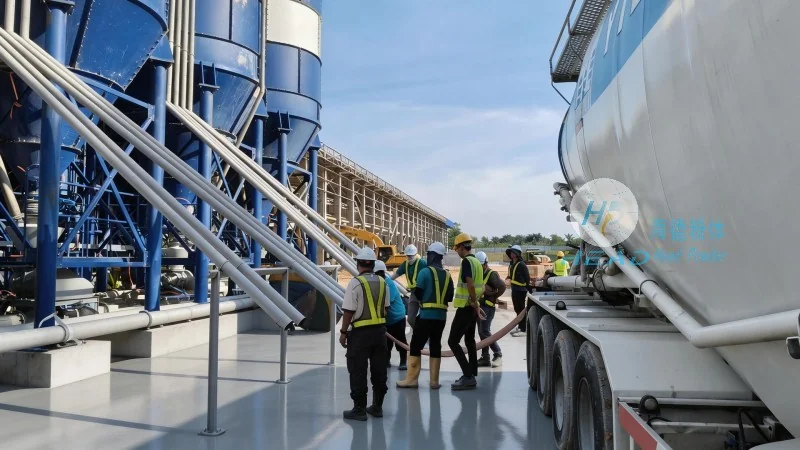
Understanding the Core Requirements for PTA Pneumatic Conveying
Before initiating the design process, it is essential to thoroughly analyze the specific requirements of the PTA material handling application. Key factors include the material's physical properties, such as particle size, density, moisture content, and flowability. PTA particles typically have a relatively uniform size and moderate density, but variations can occur based on the production process. Additionally, the desired conveying distance, number of transfer points, and the required flow rate must be clearly defined. These parameters directly influence the selection of the appropriate conveying system type—whether it is a dilute-phase or dense-phase system—and the specific equipment components needed.
System Layout and Equipment Selection
Once the requirements are established, the next step is to design the system layout. This involves determining the optimal placement of the material source, conveying lines, and destination points. The layout should minimize the length of the conveying line and avoid unnecessary bends or obstacles to reduce pressure losses and energy consumption. Equipment selection is a critical aspect of the design. For PTA, the choice often falls on positive displacement blowers or centrifugal fans, depending on the required pressure and flow rate. The blower or fan must be capable of generating sufficient air velocity to lift and transport the PTA particles through the pipeline. Additionally, the system includes components like cyclone separators, filters, and dust collectors to ensure the material is delivered to the target location without loss or contamination. The selection of these components must align with the material's characteristics and the system's operational parameters.
Material Handling and Process Integration
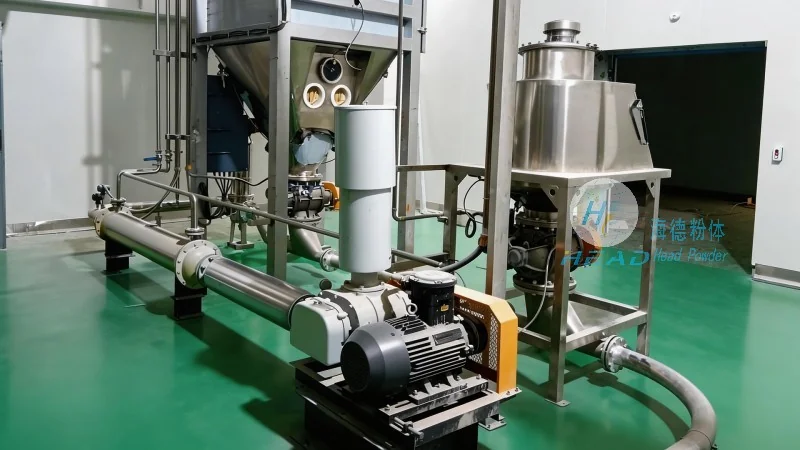
Integrating the PTA pneumatic conveying system with the overall production process is vital for seamless operation. The system should be designed to work in harmony with upstream and downstream equipment, such as storage silos, feeders, and processing units. Proper integration ensures that material flow is continuous and that the system can handle variations in feed rate without affecting performance. For example, if the PTA is stored in a silo, the feeder must be capable of providing a consistent flow rate to the conveying system. Similarly, the receiving equipment at the destination must be able to handle the incoming material without causing blockages or spills. This integration requires careful consideration of the system's control mechanisms, such as flow meters and pressure sensors, which help monitor and adjust the operation in real time.
Energy Efficiency and Cost Optimization
Designing a PTA pneumatic conveying system with energy efficiency in mind is essential for long-term cost savings. The system's energy consumption is primarily determined by the blower or fan's power output and the pressure drop across the conveying line. To minimize energy use, the system should be designed with the shortest possible pipeline, minimal bends, and appropriate pipe diameter. The use of high-efficiency blowers and proper insulation of the conveying line can also reduce energy losses. Additionally, regular maintenance and monitoring of the system's performance help identify and address issues that could lead to increased energy consumption or reduced efficiency. By focusing on energy efficiency, the system not only reduces operational costs but also contributes to environmental sustainability.
Safety and Maintenance Considerations
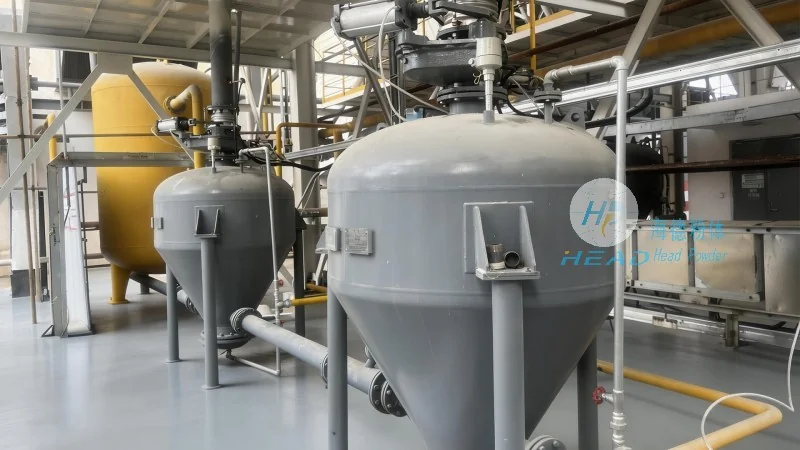
Ensuring the safety of personnel and equipment is a top priority when designing a PTA pneumatic conveying system. The system should include safety features such as pressure relief valves, emergency shut-off mechanisms, and proper ventilation to prevent the accumulation of dust or gas. Regular maintenance is crucial to maintain the system's performance and safety. This includes cleaning the cyclone separators and filters to prevent clogging, inspecting the blower and fan for wear and tear, and checking the pipeline for leaks or damage. A well-maintained system not only ensures reliable operation but also extends the lifespan of the equipment and reduces the risk of accidents. Shandong HeadPowder Engineering Co., Ltd. emphasizes the importance of a comprehensive maintenance plan to keep the PTA pneumatic conveying system running smoothly and safely.
Conclusion
Designing a reasonable PTA pneumatic conveying system requires a systematic approach that considers material properties, system layout, equipment selection, and operational efficiency. By following the guidelines outlined above and leveraging the expertise of a professional engineering firm like Shandong HeadPowder Engineering Co., Ltd., industries can achieve a reliable and cost-effective material handling solution. The key is to balance the technical requirements with practical considerations to ensure the system meets the specific needs of the application while minimizing risks and maximizing performance.

 Công ty TNHH Kỹ thuật Công trình Bột Hải Đức Sơn Đông
 156-6277-7102(Quản lý Trương)
  0531-83386006
  Quận Chương Khâu, Thành phố Tế Nam, Tỉnh Sơn Đông, Trung Quốc
Điện thoại
WeChatTư vấn
Lên đầu