Công ty Hải Đức Bột với hơn 10 năm kinh nghiệm vận chuyển khí, cung cấp hệ thống‑thiết bị‑quạt gió và nhận dự án tổng thầu bột cả nước
When designing a pneumatic conveying system for oat flour, it is crucial to consider several key factors that ensure efficiency, reliability, and cost-effectiveness. The process involves selecting appropriate equipment, understanding material properties, and implementing proper system controls. This article provides a comprehensive overview of the essential steps and considerations for developing a well-designed oat flour pneumatic conveying system.
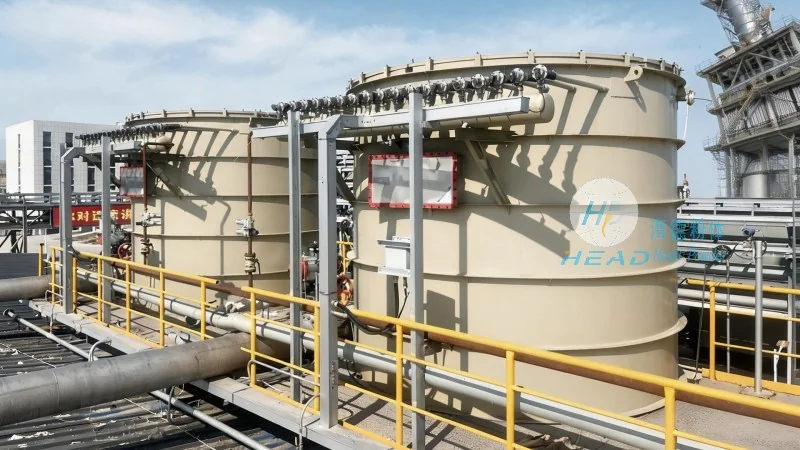
Understanding Oat Flour Characteristics for Conveying
Oat flour has specific physical and chemical properties that impact its handling in a pneumatic system. These properties include particle size distribution, moisture content, and flowability. For instance, oat flour particles are typically fine and can be prone to caking or agglomeration if not properly managed. The system design must account for these characteristics to prevent blockages and ensure smooth material transport. HeadPowder, a leading engineering firm based in Shandong, China, specializes in tailoring conveying solutions that address the unique challenges of handling oat flour.
Key Components of a Pneumatic Conveying System
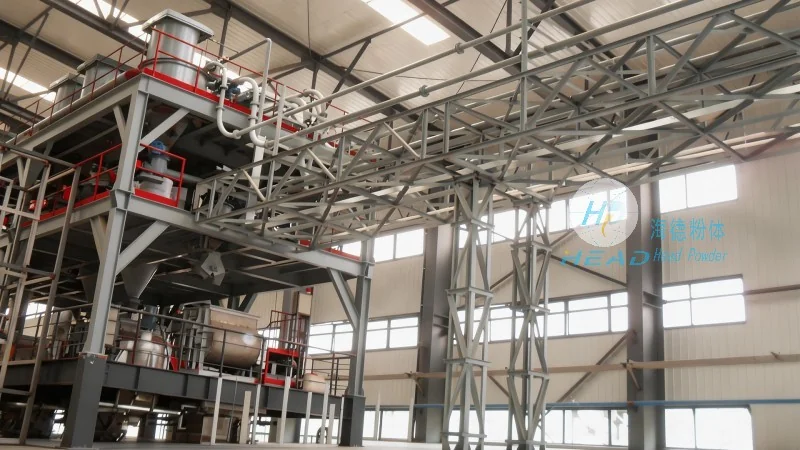
A pneumatic conveying system for oat flour consists of several critical components, each playing a vital role in the overall operation. These components include the hopper, feeder, air compressor, pipeline, and receiver. The hopper is designed to store and feed the oat flour into the system, while the feeder controls the material flow rate. The air compressor generates the necessary air pressure to move the flour through the pipeline. The pipeline network transports the material from the feeder to the receiver, and the receiver collects the conveyed flour. Each component must be selected based on the specific requirements of the oat flour and the system's operational parameters.
System Design Considerations for Efficiency and Reliability
Efficiency and reliability are paramount when designing an oat flour pneumatic conveying system. The system must minimize energy consumption while ensuring consistent material delivery. This involves optimizing the air pressure and flow rate, as well as selecting appropriate pipeline diameters and materials. Additionally, the system should incorporate safety features to prevent overpressure or material blockages. HeadPowder engineers employ advanced design methodologies to create systems that balance performance with operational safety. Their expertise in material handling and pneumatic technology ensures that the final system meets the highest standards of efficiency and reliability.
Integration of Control Systems for Optimal Performance
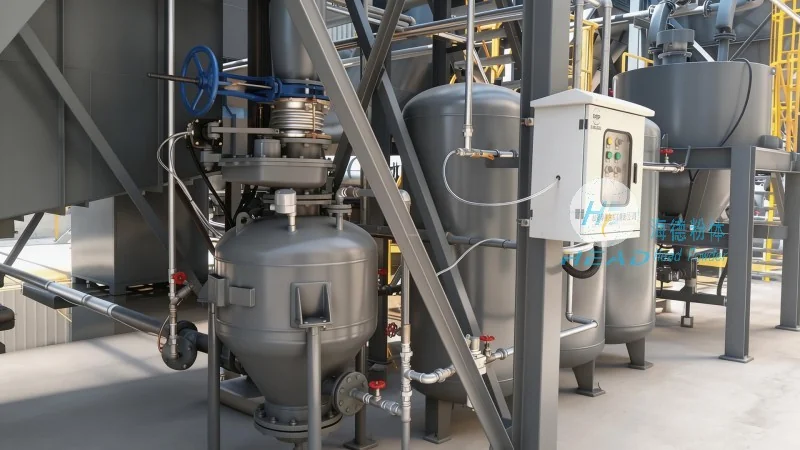
Modern pneumatic conveying systems for oat flour often incorporate advanced control systems to enhance performance and reduce downtime. These systems use sensors and automation to monitor key parameters such as pressure, flow rate, and material level. The control system can adjust the air compressor output and feeder speed in real-time, ensuring that the system operates at peak efficiency. This integration also allows for remote monitoring and troubleshooting, minimizing the need for on-site maintenance. HeadPowder's engineering team integrates state-of-the-art control technologies into their designs, providing clients with systems that are both efficient and easy to manage.
Case Studies and Real-World Applications
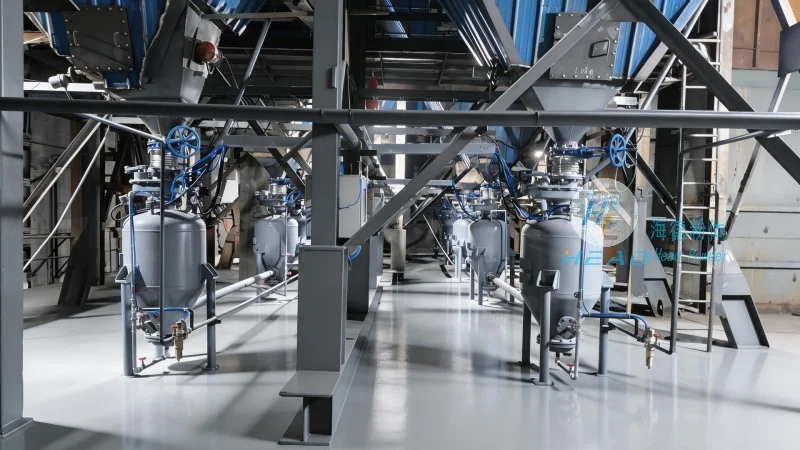
HeadPowder has successfully implemented numerous pneumatic conveying systems for oat flour processing facilities. These case studies demonstrate the effectiveness of their design approach and the benefits of their customized solutions. For example, a client in Shandong, China, required a system to transport oat flour from a storage silo to a packaging line. HeadPowder designed a system that included a hopper feeder, a rotary airlock, and a pipeline network. The system was able to handle the high volume of oat flour while maintaining low energy consumption. The client reported significant improvements in production efficiency and reduced maintenance costs. Such success stories highlight the practical application of HeadPowder's engineering expertise in real-world oat flour processing environments.
Conclusion and Future Trends in Oat Flour Conveying
Designing a reasonable oat flour pneumatic conveying system requires a comprehensive understanding of material properties, system components, and operational requirements. By following the guidelines outlined in this article and leveraging the expertise of companies like HeadPowder, facilities can achieve efficient and reliable material handling. As technology advances, future trends may include the integration of more sophisticated control systems and sustainable energy solutions. However, the core principles of effective pneumatic conveying will remain consistent, focusing on optimizing material flow and minimizing operational costs. HeadPowder continues to lead in the development of advanced conveying systems, ensuring that oat flour processing facilities can meet their production goals while maintaining high standards of efficiency and reliability.

 Công ty TNHH Kỹ thuật Công trình Bột Hải Đức Sơn Đông
 156-6277-7102(Quản lý Trương)
  0531-83386006
  Quận Chương Khâu, Thành phố Tế Nam, Tỉnh Sơn Đông, Trung Quốc
Điện thoại
WeChatTư vấn
Lên đầu