Công ty Hải Đức Bột với hơn 10 năm kinh nghiệm vận chuyển khí, cung cấp hệ thống‑thiết bị‑quạt gió và nhận dự án tổng thầu bột cả nước
For industrial facilities dealing with glass waste, selecting and designing an efficient pneumatic conveying system is crucial for maintaining operational efficiency and safety. This guide outlines the key considerations and steps involved in creating a well-designed glass waste pneumatic conveying system, presented by Shandong HeadPowder Engineering Co., Ltd., a leading provider in the field.
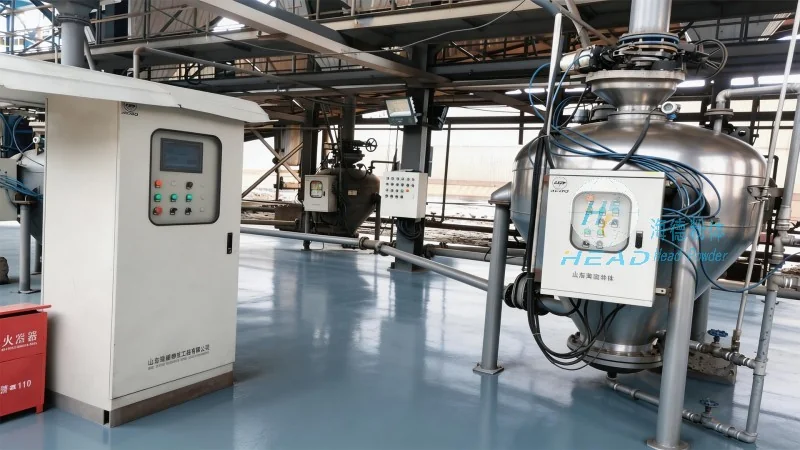
Company Profile: Shandong HeadPowder Engineering Co., Ltd.
HeadPowder, the professional team behind this guide, is a reputable engineering firm based in Shandong, China. With years of experience in material handling solutions, the company specializes in designing and implementing pneumatic conveying systems tailored to the unique needs of glass waste processing operations. Their expertise ensures that each system is optimized for reliability, durability, and cost-effectiveness.
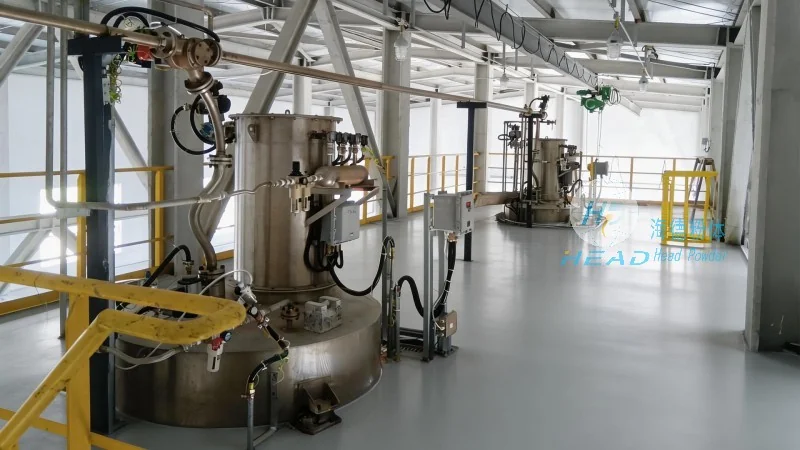
Key Factors in Designing a Glass Waste Pneumatic Conveying System
The success of a glass waste pneumatic conveying system depends on several critical factors. First, the type of glass waste material must be carefully analyzed, as different compositions affect the system's performance. For instance, the size, shape, and moisture content of the glass fragments will determine the appropriate conveying velocity and equipment selection. Additionally, the distance and layout of the conveying route are essential considerations. A thorough site survey helps in identifying the most efficient path, minimizing energy consumption and wear on components. The choice of conveying method—such as dilute-phase or dense-phase—also plays a significant role. Dilute-phase systems are suitable for short distances and low material loads, while dense-phase systems are ideal for longer distances or when handling fragile materials like glass. HeadPowder engineers consider these factors to recommend the most suitable approach for each client's specific requirements.
System Components and Equipment Selection
A glass waste pneumatic conveying system typically consists of several key components, including a material feeder, a conveying pipeline, a separator, and a dust collector. The material feeder is responsible for feeding the glass waste into the system at a consistent rate, ensuring smooth operation. For glass waste, a rotary valve or a screw feeder is commonly used, as they can handle irregularly shaped particles without clogging. The conveying pipeline is usually made of stainless steel or other corrosion-resistant materials to withstand the abrasive nature of glass. The choice of pipe diameter and length is critical to maintain the desired conveying velocity and pressure. The separator, often a cyclone or a baghouse, separates the conveyed material from the air stream, preventing dust and debris from entering downstream equipment. Finally, a dust collector ensures compliance with environmental regulations and maintains air quality. HeadPowder selects high-quality components from reputable manufacturers, ensuring durability and low maintenance costs. They also provide customization options to meet specific operational needs, such as adding a pre-filter or a material dryer if required.
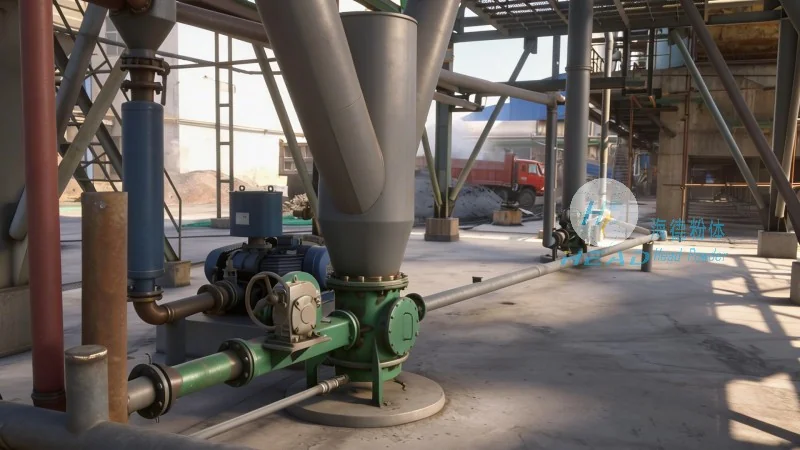
The Design Process: From Analysis to Implementation
HeadPowder follows a systematic approach to designing glass waste pneumatic conveying systems. The process begins with a comprehensive analysis of the client's operational requirements, including the volume of glass waste to be handled, the distance to be covered, and the desired throughput. This information is used to develop a preliminary design, which includes calculations for air flow rate, pressure drop, and power consumption. The design is then validated through simulations and physical testing to ensure it meets the specified performance criteria. HeadPowder's engineers use advanced software tools to model the system and predict its behavior under different operating conditions. This allows for adjustments to be made before the system is manufactured, reducing the risk of errors and ensuring optimal performance. Once the design is finalized, the company provides detailed drawings and specifications to the client, along with a cost estimate and a timeline for implementation. The implementation phase involves installation, commissioning, and training of the client's staff. HeadPowder's team provides on-site support during the commissioning process to ensure the system operates as intended. They also offer post-installation maintenance services to keep the system running efficiently over time.
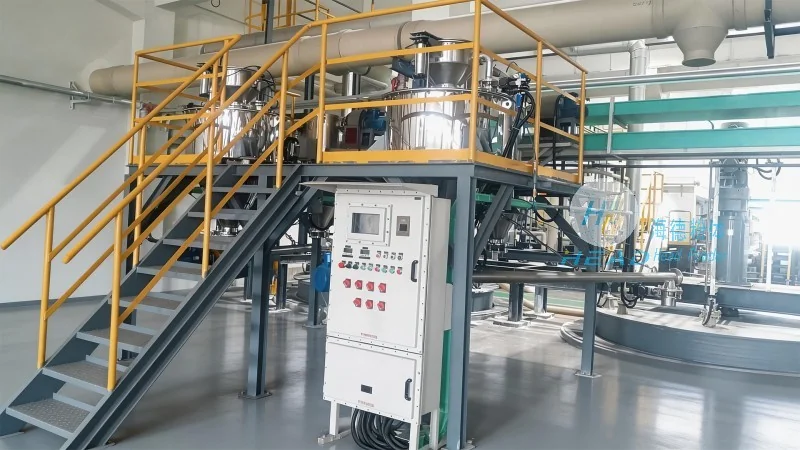
Benefits of a Well-Designed Glass Waste Pneumatic Conveying System
Implementing a properly designed glass waste pneumatic conveying system offers numerous benefits for industrial facilities. First, it improves operational efficiency by reducing the time and labor required for material handling. Unlike traditional methods like manual handling or truck transport, pneumatic conveying allows for continuous, automated material transport, increasing throughput and reducing downtime. Second, it enhances safety by minimizing the risk of accidents associated with manual handling of glass waste. The enclosed system prevents dust and debris from entering the work environment, reducing the risk of respiratory issues and other health hazards. Third, it improves environmental compliance by capturing and treating dust emissions. The dust collector in the system ensures that emissions are within regulatory limits, helping facilities avoid fines and maintain a positive public image. Fourth, it reduces maintenance costs by using high-quality components and a well-designed system. Properly selected equipment and regular maintenance can extend the system's lifespan, reducing the need for frequent replacements. HeadPowder's systems are designed with these benefits in mind, providing clients with a reliable and cost-effective solution for their glass waste handling needs.
Conclusion
Designing a reasonable glass waste pneumatic conveying system requires careful consideration of material characteristics, operational requirements, and system components. Shandong HeadPowder Engineering Co., Ltd. leverages its expertise and experience to provide tailored solutions that meet the unique needs of each client. By following a systematic design process and using high-quality components, HeadPowder ensures that its systems deliver optimal performance, efficiency, and safety. For industrial facilities looking to improve their glass waste handling operations, partnering with HeadPowder can lead to significant improvements in productivity, cost savings, and environmental compliance. The company's commitment to quality and customer satisfaction makes it a trusted choice for pneumatic conveying solutions in the glass waste industry.

 Công ty TNHH Kỹ thuật Công trình Bột Hải Đức Sơn Đông
 156-6277-7102(Quản lý Trương)
  0531-83386006
  Quận Chương Khâu, Thành phố Tế Nam, Tỉnh Sơn Đông, Trung Quốc
Điện thoại
WeChatTư vấn
Lên đầu