Công ty Hải Đức Bột với hơn 10 năm kinh nghiệm vận chuyển khí, cung cấp hệ thống‑thiết bị‑quạt gió và nhận dự án tổng thầu bột cả nước
High-alumina fly ash, a byproduct of coal combustion in thermal power plants, presents unique challenges when it comes to handling and transporting. The design of an efficient and reliable pneumatic conveying system for such materials is critical to ensure safe, cost-effective, and environmentally compliant operations. This article provides a comprehensive guide on the key considerations and best practices for designing a high-alumina fly ash pneumatic conveying system, with a focus on the expertise of Shandong HeadPowder Engineering Co., Ltd., a leading provider in the field.
Understanding High-Alumina Fly Ash Characteristics
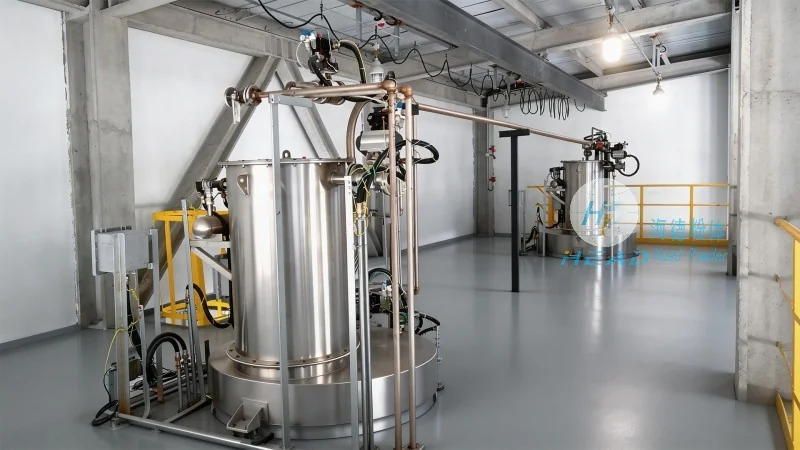
Before delving into system design, it is essential to understand the physical and chemical properties of high-alumina fly ash. This material typically has a high density, variable particle size distribution, and can exhibit abrasive characteristics due to its mineral composition. These properties directly impact the selection of conveying equipment, such as the type of air compressor, pipeline materials, and separation devices. For instance, the abrasive nature of high-alumina fly ash may necessitate the use of corrosion-resistant materials like stainless steel or special coatings for pipelines and valves to extend equipment lifespan and maintain system efficiency.
System Layout and Component Selection
The layout of a pneumatic conveying system for high-alumina fly ash must be carefully planned to accommodate the material's flow characteristics and the operational requirements of the facility. A typical system includes a material feed hopper, an air compressor, a conveying pipeline network, and a collection or processing unit. The choice of air compressor is a critical decision, as it must generate sufficient pressure and airflow to overcome the resistance of the pipeline and the material's density. Positive displacement blowers are often preferred for high-alumina fly ash due to their ability to maintain consistent pressure, even with varying material feed rates. The pipeline design, including the diameter, length, and number of bends, must be optimized to minimize pressure drop and prevent material buildup or blockages. Properly sized and positioned air inlets and outlets are also essential to ensure smooth material flow and prevent air leakage, which can reduce system efficiency and increase energy consumption.
Material Feed and Conditioning
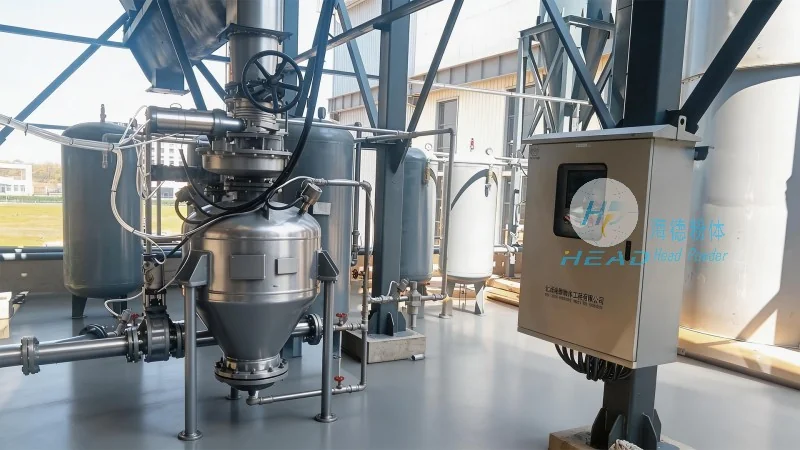
The feed mechanism is another critical component of the high-alumina fly ash pneumatic conveying system. The material is typically stored in a hopper and fed into the system using a rotary valve or a star feeder. To ensure consistent and reliable feeding, the hopper may need to be equipped with a level sensor and a vibration system to prevent material bridging or agglomeration. For high-alumina fly ash, which can be prone to clumping, a pre-drying or conditioning step may be necessary before feeding. This can involve adding a small amount of moisture or using a pre-blending process to improve flowability. The feed system must be designed to handle the material's density and flow characteristics without causing excessive wear or maintenance issues.
Pressure and Flow Control
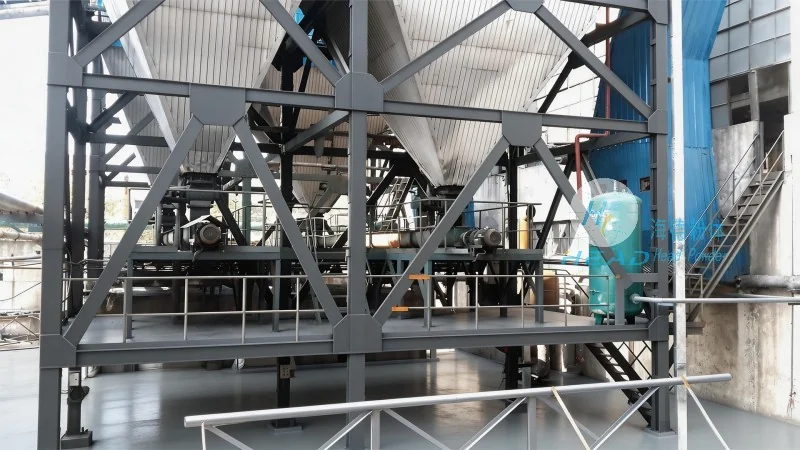
Effective pressure and flow control are vital to the performance of a high-alumina fly ash pneumatic conveying system. The system must be able to maintain a stable pressure throughout the pipeline to ensure consistent material transport. Pressure sensors and regulators are typically installed at key points in the system to monitor and adjust pressure as needed. Flow meters can be used to measure the material flow rate, allowing for real-time adjustments to the air compressor settings or feed rate. This helps to optimize energy consumption and prevent overloading of the system components. Additionally, the system should include safety features such as pressure relief valves to protect against overpressure situations, which can occur due to blockages or other operational issues.
Separation and Collection
At the end of the conveying process, the high-alumina fly ash must be separated from the air stream and collected in a designated container or processing unit. The separation system typically includes a cyclone separator or a baghouse filter. Cyclone separators are commonly used for high-alumina fly ash due to their efficiency in removing fine particles from the air stream. The design of the cyclone separator must be optimized for the material's particle size and density to ensure high separation efficiency. The collected ash is then stored in a hopper or transported to the next processing stage. Proper maintenance of the separation equipment is crucial to maintain system performance and prevent dust emissions, which can impact environmental compliance and operational safety.
System Integration and Maintenance
Integrating the high-alumina fly ash pneumatic conveying system with other plant operations is an important consideration for overall efficiency. The system should be designed to interface with existing material handling equipment, such as silos or storage tanks, to ensure seamless material flow. Regular maintenance is essential to keep the system operating at peak efficiency. This includes inspecting and cleaning pipelines and equipment, replacing worn parts, and monitoring system performance. Shandong HeadPowder Engineering Co., Ltd. offers comprehensive maintenance services and technical support to ensure that the system remains reliable and cost-effective over its operational life.
Case Study: Successful Implementation by HeadPowder
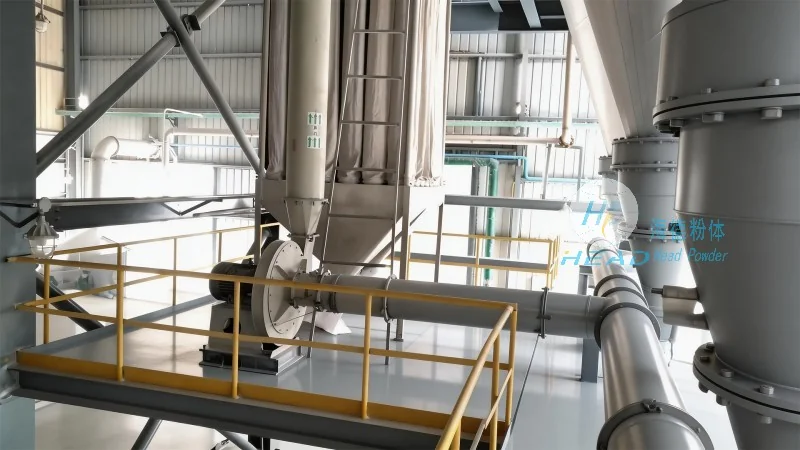
Shandong HeadPowder Engineering Co., Ltd. has successfully implemented numerous high-alumina fly ash pneumatic conveying systems for clients in China. One notable project involved the design and installation of a system for a thermal power plant in Shandong province. The system was designed to transport high-alumina fly ash from the boiler to a storage facility, with a capacity of 100 tons per hour. The system included a positive displacement blower, stainless steel pipelines, and a cyclone separator. The design took into account the abrasive nature of the fly ash, ensuring the use of corrosion-resistant materials and proper maintenance intervals. The system has been in operation for over five years, with minimal downtime and high material transport efficiency. This case study demonstrates the effectiveness of the design approach and the expertise of HeadPowder in delivering reliable solutions for high-alumina fly ash handling.
Conclusion
Designing a reasonable high-alumina fly ash pneumatic conveying system requires a thorough understanding of the material's properties, careful selection of system components, and attention to operational details. By following best practices and leveraging the expertise of experienced providers like Shandong HeadPowder Engineering Co., Ltd., facilities can achieve efficient, cost-effective, and environmentally compliant handling of high-alumina fly ash. The key to success lies in optimizing system design for the specific material characteristics and operational requirements, ensuring long-term reliability and performance.

 Công ty TNHH Kỹ thuật Công trình Bột Hải Đức Sơn Đông
 156-6277-7102(Quản lý Trương)
  0531-83386006
  Quận Chương Khâu, Thành phố Tế Nam, Tỉnh Sơn Đông, Trung Quốc
Điện thoại
WeChatTư vấn
Lên đầu