Công ty Hải Đức Bột với hơn 10 năm kinh nghiệm vận chuyển khí, cung cấp hệ thống‑thiết bị‑quạt gió và nhận dự án tổng thầu bột cả nước
When it comes to handling tapioca starch efficiently and safely, pneumatic conveying systems offer a reliable solution. As a leading engineering company, Shandong HeadPowder Engineering Co., Ltd. specializes in designing customized systems that meet the unique requirements of starch processing facilities. This article provides a comprehensive guide to the key factors and considerations involved in creating an effective tapioca starch pneumatic conveying system.
Understanding Tapioca Starch Characteristics for System Design
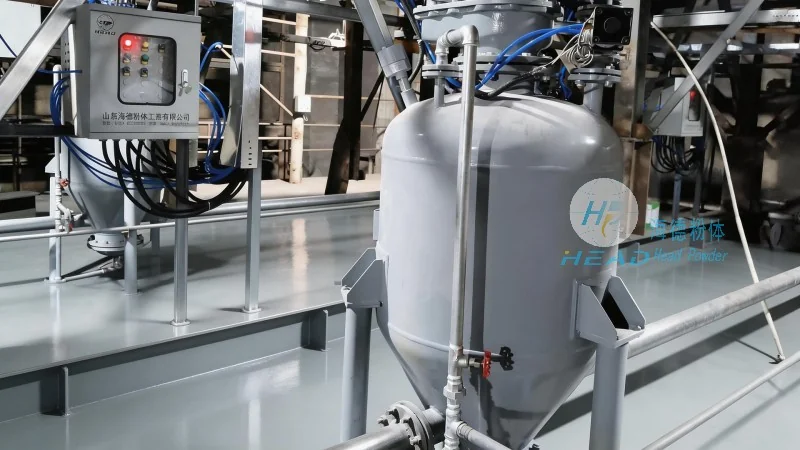
Tapioca starch, with its distinct physical properties, requires careful consideration during system design. The powder typically exhibits specific particle size distribution, moisture content, and flow characteristics. These attributes directly impact the choice of conveying method—whether positive pressure, negative pressure, or a hybrid approach. At HeadPowder, our engineers conduct thorough material analysis to determine the optimal system configuration. For instance, tapioca starch particles are often fine and can be prone to bridging or segregation if not handled properly. Our design process incorporates these characteristics to ensure smooth and efficient material transport.
System Type Selection: Positive vs. Negative Pressure Conveying
The first critical decision in system design is choosing between positive pressure and negative pressure conveying. Positive pressure systems use a blower or compressor to force air and material through the pipeline, while negative pressure systems create a vacuum to draw material into the system. For tapioca starch, positive pressure is often preferred due to its ability to handle abrasive materials and prevent product contamination. However, the choice depends on factors such as material handling distance, system complexity, and operational costs. HeadPowder evaluates these variables to recommend the most suitable system type. Our expertise in both positive and negative pressure designs allows us to tailor solutions that maximize efficiency and minimize downtime.
Pipeline Design and Component Selection
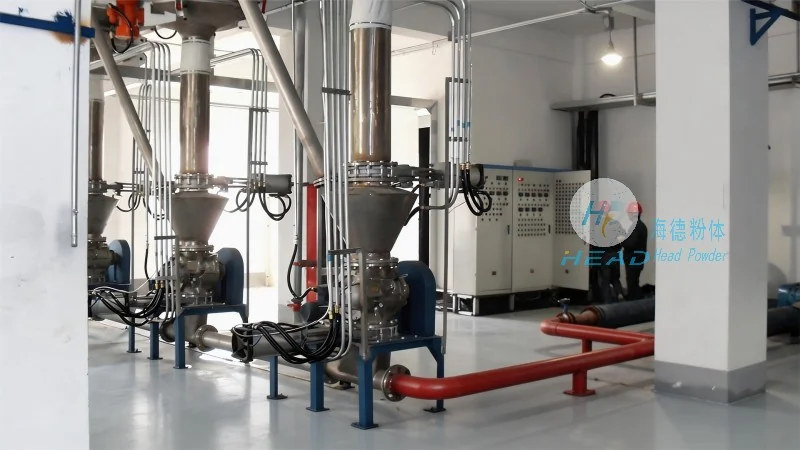
Effective pipeline design is essential for maintaining the integrity of tapioca starch during transport. The system includes several key components: a feeder, conveying line, separation equipment, and control valves. The feeder, typically a rotary valve or star feeder, ensures a consistent material flow into the system. The conveying line, made of materials resistant to starch abrasion (such as stainless steel or polyethylene), is designed with appropriate diameter and length to accommodate the material's flow characteristics. Separation equipment, such as cyclones or filters, prevents material buildup and ensures clean air discharge. At HeadPowder, we select components based on the specific properties of tapioca starch, ensuring durability and performance over time.
Material Handling Distance and System Layout
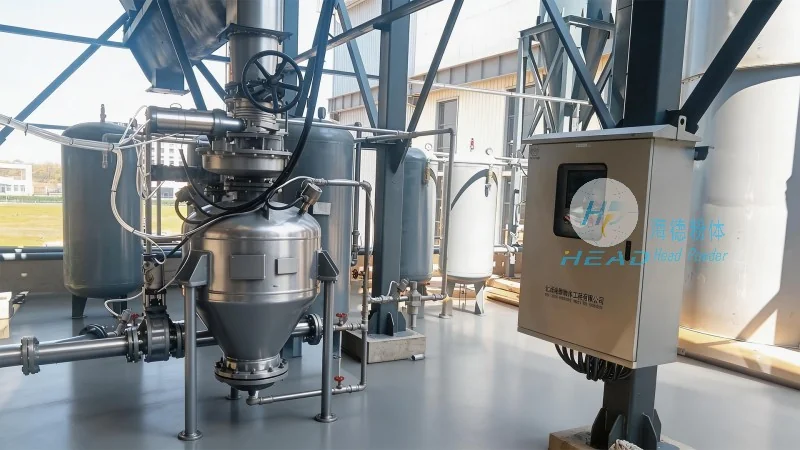
The distance between the feed point and discharge point significantly influences system design. Longer distances may require multiple stages of conveying or booster blowers to maintain adequate pressure. The layout of the system, including vertical and horizontal runs, must be optimized to minimize energy consumption and prevent material degradation. Our engineers use computational fluid dynamics (CFD) and empirical data to model the system and predict performance. This approach allows us to design layouts that are both efficient and cost-effective. For example, a system handling tapioca starch over a 100-meter horizontal distance might use a single-stage positive pressure system with a 2-inch pipeline, while a longer vertical run might incorporate a booster to maintain air velocity.
System Maintenance and Operational Considerations
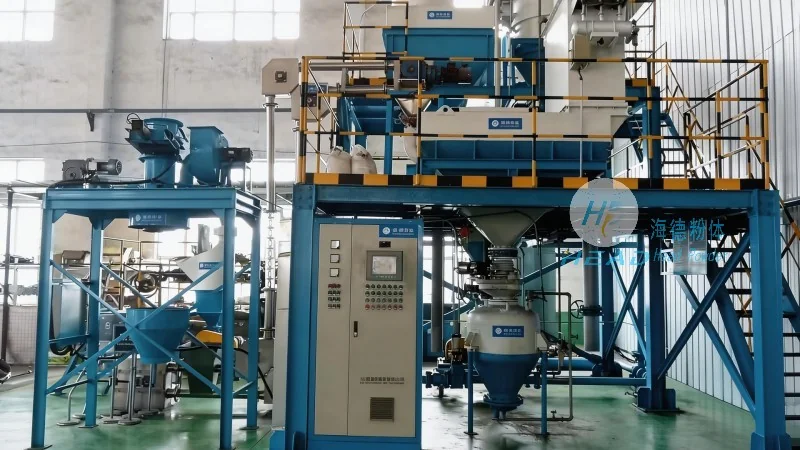
Proper maintenance is crucial for the long-term performance of a tapioca starch pneumatic conveying system. Regular cleaning of the pipeline and separation equipment prevents clogging and ensures consistent material flow. At HeadPowder, we provide maintenance guidelines tailored to the specific system design, including recommended cleaning schedules and inspection procedures. Operational considerations also include air quality control, as tapioca starch can be sensitive to moisture and contamination. Our systems incorporate features such as moisture sensors and air filtration to maintain product quality. By focusing on maintenance and operational best practices, we help clients achieve reliable and efficient material handling.
Case Study: Successful Tapioca Starch Conveying Implementation
HeadPowder has successfully implemented numerous tapioca starch pneumatic conveying systems across China. One notable project involved a client in Shandong province, where we designed a positive pressure system to transport tapioca starch from a storage silo to a processing plant over a 150-meter distance. The system included a rotary valve feeder, a 2.5-inch stainless steel pipeline, and a cyclone separator. The client reported a 20% increase in production efficiency and a 15% reduction in material loss after the system was installed. This success demonstrates the effectiveness of our customized approach to system design.
Conclusion and Contact Information
Designing a reasonable tapioca starch pneumatic conveying system requires a deep understanding of material properties, system components, and operational requirements. At Shandong HeadPowder Engineering Co., Ltd., we leverage our expertise to create tailored solutions that meet the unique needs of starch processing facilities. Our commitment to quality and efficiency ensures that our clients achieve reliable, cost-effective material handling. For more information about our pneumatic conveying systems, please contact us at our office in Shandong, China.

 Công ty TNHH Kỹ thuật Công trình Bột Hải Đức Sơn Đông
 156-6277-7102(Quản lý Trương)
  0531-83386006
  Quận Chương Khâu, Thành phố Tế Nam, Tỉnh Sơn Đông, Trung Quốc
Điện thoại
WeChatTư vấn
Lên đầu