Công ty Hải Đức Bột với hơn 10 năm kinh nghiệm vận chuyển khí, cung cấp hệ thống‑thiết bị‑quạt gió và nhận dự án tổng thầu bột cả nước
For coffee processing facilities, selecting and implementing an efficient coffee powder pneumatic conveying system is crucial to ensure smooth production, maintain product quality, and enhance operational safety. A well-designed system can significantly reduce labor costs, minimize material loss, and improve overall productivity. This article will explore the key considerations and steps involved in designing a reasonable coffee powder pneumatic conveying system, with a focus on the expertise of Shandong HeadPowder Engineering Co., Ltd., a leading provider in the field.
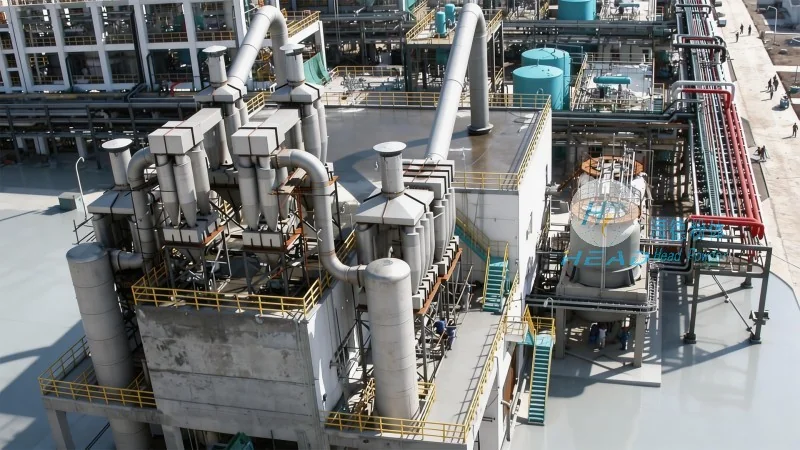
Understanding the Importance of Coffee Powder Pneumatic Conveying Systems
Coffee powder, due to its fine particle size and hygroscopic nature, presents unique challenges during handling and transportation. Traditional methods like manual conveying or bucket elevators often lead to issues such as dust accumulation, material degradation, and inefficient flow. Pneumatic conveying systems offer a solution by using air to transport the powder, providing a closed-loop system that prevents contamination and dust dispersion. This not only improves product quality but also enhances workplace safety by reducing exposure to airborne particles.
Key Factors to Consider in System Design
Designing an effective coffee powder pneumatic conveying system requires a comprehensive analysis of several factors. First, the physical properties of the coffee powder must be thoroughly evaluated. This includes particle size distribution, moisture content, bulk density, and flowability. These characteristics determine the appropriate conveying velocity, pressure, and equipment selection. For instance, finer particles may require higher air velocities to prevent clogging, while higher moisture content might necessitate additional drying steps or specialized materials for the system components.
Second, the operational parameters of the system, such as the required conveying distance, flow rate, and system capacity, must be precisely determined. The distance between the source and destination points, whether horizontal or vertical, will influence the choice of system type. Horizontal conveying is typically used for short to medium distances, while vertical conveying is suitable for longer vertical lifts. The flow rate, measured in kilograms per hour or cubic meters per hour, dictates the size of the air compressor and the diameter of the conveying lines.
System Type Selection: Positive Pressure vs. Negative Pressure
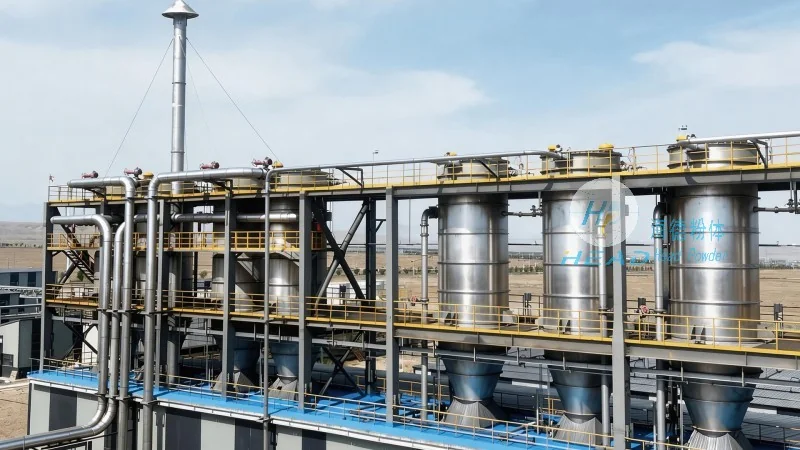
Two primary types of pneumatic conveying systems are commonly used: positive pressure and negative pressure. Positive pressure systems force air and material through the system, making them ideal for applications where the material needs to be transported to a higher elevation or over long horizontal distances. They are generally more suitable for coffee powder because they can handle higher pressures and are less prone to blockages. Negative pressure systems, on the other hand, draw material into the system using suction, which is better for short horizontal or vertical lifts and for applications where the material is to be collected from multiple points.
For coffee powder, positive pressure systems are often preferred due to their ability to maintain consistent flow rates and prevent material degradation. However, the final choice depends on the specific layout of the facility and the client's operational needs. Shandong HeadPowder Engineering Co., Ltd. specializes in evaluating these factors and recommending the most suitable system type for each project.
Equipment Selection and Integration
The success of a coffee powder pneumatic conveying system hinges on the proper selection and integration of key components. The system typically includes a feeder, which is responsible for feeding the coffee powder into the conveying line. For coffee powder, a rotary valve or a screw feeder is commonly used to ensure a consistent and controlled flow. The feeder must be designed to handle the specific characteristics of the powder, such as its tendency to stick or clog, to prevent material buildup and ensure smooth operation.
The conveying line itself is another critical component. The diameter and material of the pipes are chosen based on the flow rate and pressure requirements. Stainless steel is often preferred for its corrosion resistance and ability to maintain product purity. The line is usually equipped with bends and elbows that are designed to minimize pressure loss and prevent particle separation. Additionally, the system may include expansion joints to accommodate thermal changes and reduce stress on the pipes.
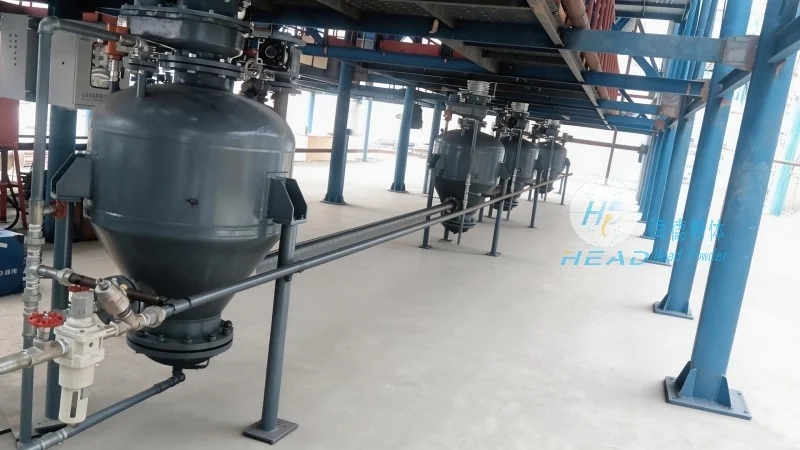
At the receiving end, a separator or cyclone is used to separate the coffee powder from the air stream. This component is essential for preventing material loss and ensuring that the powder is collected efficiently. The separator's design, including its diameter and the angle of the collection chamber, is optimized to maximize the recovery rate of the coffee powder. After the separator, a filter or a baghouse may be used to clean the exhaust air, ensuring compliance with environmental regulations and maintaining a clean working environment.
Flow Layout and Space Planning
The layout of the coffee powder pneumatic conveying system must be carefully planned to optimize space utilization and operational efficiency. The system should be integrated into the existing facility layout, minimizing the need for additional construction or major modifications. The position of the feeder, the conveying line path, and the separator must be strategically placed to ensure the shortest and most direct route between the source and destination points.
Vertical conveying sections require special attention to prevent material settling and ensure consistent flow. The use of vertical ducts with appropriate inclinations and the installation of vibration devices or air cannons can help maintain the flow of coffee powder. Horizontal sections should be designed with a slight upward slope to facilitate gravity-assisted flow and prevent material accumulation at low points.
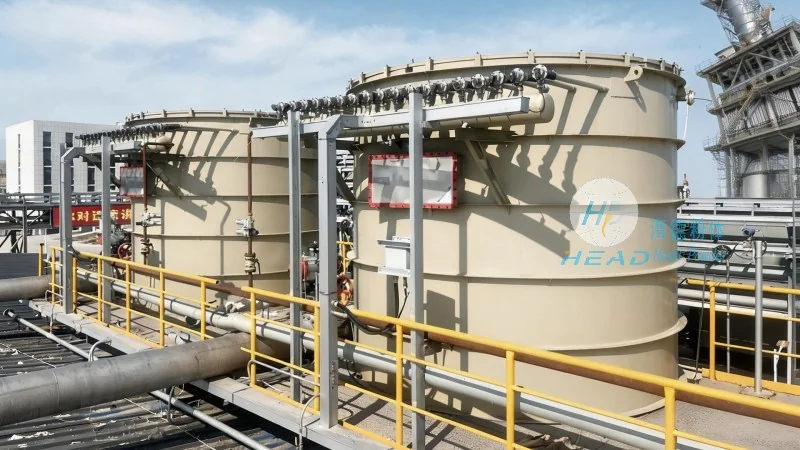
Space constraints are a common challenge in coffee processing facilities, especially in older plants. Shandong HeadPowder Engineering Co., Ltd. employs advanced 3D modeling and simulation tools to create detailed layouts that maximize the use of available space while ensuring the system operates efficiently. This approach helps in avoiding bottlenecks and ensures that the system can be installed without disrupting ongoing production activities.
Control System Design and Automation
Modern coffee powder pneumatic conveying systems are increasingly equipped with advanced control systems to enhance operational efficiency and reliability. The control system typically includes sensors and controllers that monitor key parameters such as pressure, flow rate, and temperature. These sensors provide real-time data that allows the system to adjust its operation automatically, ensuring optimal performance under varying conditions.
For example, pressure sensors can detect blockages in the conveying line and trigger alarms or automatic shutdowns to prevent damage. Flow sensors can adjust the air compressor speed to maintain a consistent flow rate, reducing energy consumption. Temperature sensors may be used to monitor the condition of the coffee powder, especially if the system includes drying or cooling components.
Automation also plays a crucial role in improving safety and reducing labor costs. Automated control systems can handle routine tasks such as starting and stopping the system, adjusting settings, and performing maintenance checks. This not only increases the system's uptime but also reduces the risk of human error. Shandong HeadPowder Engineering Co., Ltd. offers customized control solutions tailored to the specific needs of each client, ensuring that the system is both efficient and user-friendly.

 Công ty TNHH Kỹ thuật Công trình Bột Hải Đức Sơn Đông
 156-6277-7102(Quản lý Trương)
  0531-83386006
  Quận Chương Khâu, Thành phố Tế Nam, Tỉnh Sơn Đông, Trung Quốc
Điện thoại
WeChatTư vấn
Lên đầu