Công ty Hải Đức Bột với hơn 10 năm kinh nghiệm vận chuyển khí, cung cấp hệ thống‑thiết bị‑quạt gió và nhận dự án tổng thầu bột cả nước
When it comes to managing the transport of sulfate nickel in industrial processes, selecting the appropriate pneumatic conveying system is crucial for efficiency, safety, and cost-effectiveness. The right system not only ensures smooth material handling but also minimizes operational risks and enhances overall productivity. This guide aims to help you navigate the key considerations and factors to evaluate when choosing a pneumatic conveying system tailored to your sulfate nickel handling needs.
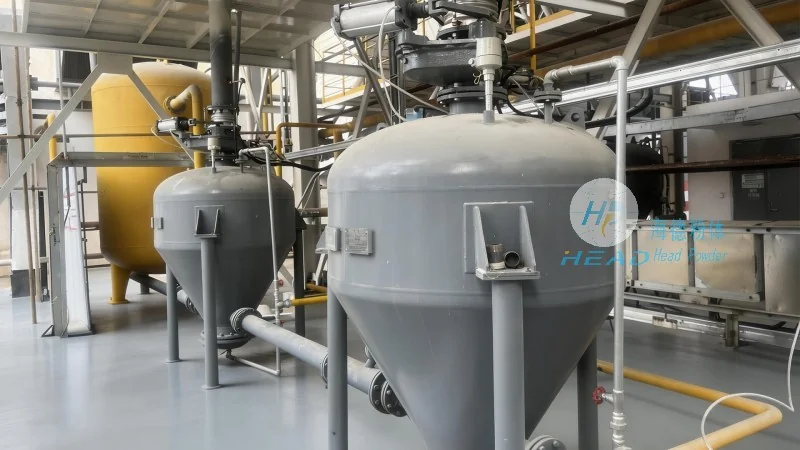
Understanding the Importance of Pneumatic Conveying for Sulfate Nickel
Sulfate nickel, a critical raw material in various industrial applications, requires specialized handling due to its chemical properties and physical characteristics. Traditional methods like belt conveyors or bucket elevators may not be suitable for certain applications, especially when dealing with fine powders or materials that are prone to dust generation. Pneumatic conveying systems offer a solution by using air to transport materials through a pipeline, providing a closed system that reduces exposure to dust and improves safety. This method is particularly advantageous for sulfate nickel because it can handle both dry and wet powders, ensuring consistent flow and minimal material degradation.
Key Factors to Consider When Selecting a Pneumatic Conveying System
Choosing the right pneumatic conveying system for sulfate nickel involves evaluating several critical factors. The first consideration is the material's properties, such as particle size, moisture content, and flowability. Sulfate nickel often has fine particles that can cause clogging in traditional systems, making a system with high air velocity and proper design essential. Additionally, the system's capacity and throughput requirements must align with your production volume. For high-volume operations, a positive pressure system may be more suitable, while low-volume applications might benefit from a negative pressure system. Energy efficiency is another key factor, as the cost of air compression and power consumption can significantly impact operational expenses over time.
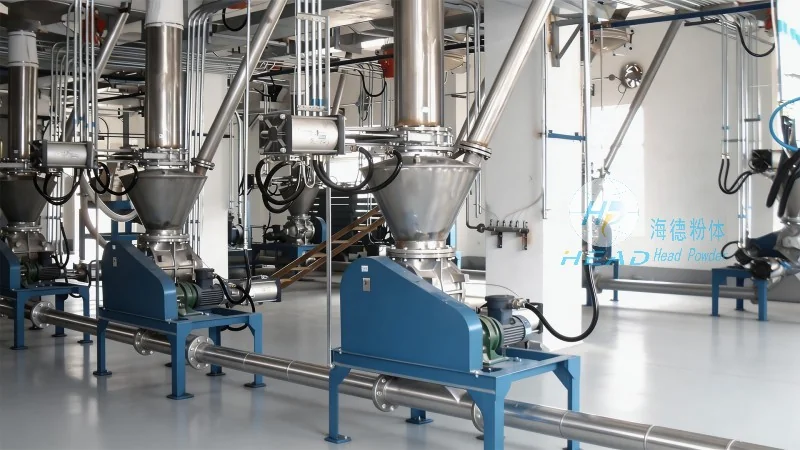
Types of Pneumatic Conveying Systems for Sulfate Nickel
There are primarily two types of pneumatic conveying systems: positive pressure and negative pressure. Positive pressure systems use compressed air to push material through the pipeline, making them ideal for long-distance transport and high-volume applications. They are often more robust and can handle abrasive materials like sulfate nickel without significant wear. Negative pressure systems, on the other hand, use suction to draw material into the system, which is suitable for applications where dust control is paramount and the material is light or fine. For sulfate nickel, a positive pressure system is generally preferred due to its ability to handle larger particles and maintain consistent flow rates.
Design and Components of an Effective System
An effective pneumatic conveying system for sulfate nickel consists of several key components, including a feeder, air compressor, pipeline, and receiver. The feeder is responsible for feeding the material into the system, ensuring a consistent flow rate. For sulfate nickel, a rotary valve or a screw feeder may be used to control the material feed and prevent blockages. The air compressor provides the necessary pressure to move the material through the pipeline, with options ranging from rotary screw compressors to reciprocating compressors. The pipeline design is critical, as it must be constructed from materials resistant to corrosion and abrasion, such as stainless steel or special alloys, to withstand the chemical and physical stresses of sulfate nickel. The receiver is where the material is collected, and it should be designed to prevent dust accumulation and ensure easy discharge.
Customization and Integration with Existing Systems
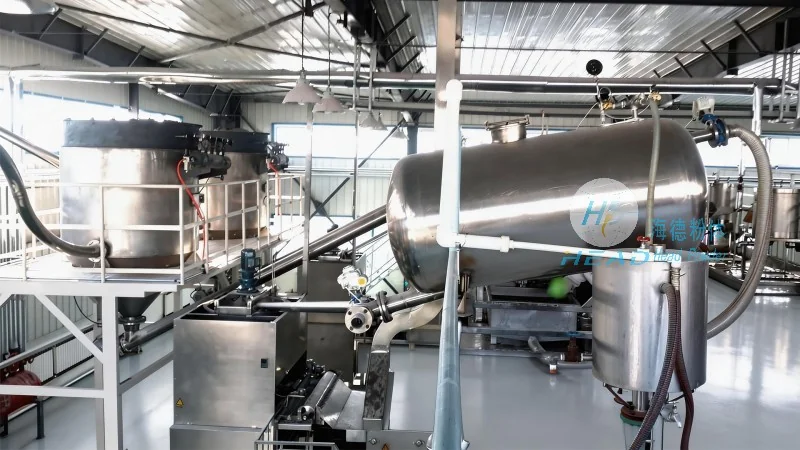
Many industrial facilities have existing infrastructure and processes that need to be integrated with a new pneumatic conveying system. Customization is therefore essential to ensure compatibility and seamless operation. Shandong HeadPowder Engineering Co., Ltd., a leading provider of pneumatic conveying solutions, offers tailored systems that can be integrated with existing equipment, such as storage silos, reactors, or processing units. Their expertise in material handling allows them to design systems that meet specific operational requirements, including variable flow rates, temperature control, and safety features. By working with a specialized company like HeadPowder, you can ensure that the system is optimized for your sulfate nickel handling process, minimizing downtime and maximizing efficiency.
Benefits of Choosing a Specialized Pneumatic Conveying System
Implementing a specialized pneumatic conveying system for sulfate nickel offers numerous benefits. First, it improves safety by providing a closed system that reduces dust exposure and minimizes the risk of material contamination. This is particularly important in industries where sulfate nickel is used in pharmaceutical or food applications, where purity is critical. Second, the system enhances operational efficiency by ensuring consistent material flow and reducing the need for manual handling. This leads to lower labor costs and increased productivity. Third, the system is cost-effective in the long run, as it reduces maintenance and repair costs compared to traditional systems. Additionally, it provides flexibility in terms of layout and design, allowing for easy expansion or modification as production needs change.
Conclusion: Partnering with HeadPowder for Your Sulfate Nickel Conveying Needs
Choosing the right pneumatic conveying system for your sulfate nickel handling process is a critical decision that impacts your operational efficiency and overall success. By considering factors such as material properties, system capacity, and energy efficiency, you can select a system that meets your specific needs. Working with a reputable company like Shandong HeadPowder Engineering Co., Ltd., which specializes in pneumatic conveying solutions, ensures that you receive a customized system designed to optimize your sulfate nickel transport process. With their expertise and commitment to quality, HeadPowder can help you achieve reliable, safe, and efficient material handling, supporting your industrial operations in China and beyond.

 Công ty TNHH Kỹ thuật Công trình Bột Hải Đức Sơn Đông
 156-6277-7102(Quản lý Trương)
  0531-83386006
  Quận Chương Khâu, Thành phố Tế Nam, Tỉnh Sơn Đông, Trung Quốc
Điện thoại
WeChatTư vấn
Lên đầu