Công ty Hải Đức Bột với hơn 10 năm kinh nghiệm vận chuyển khí, cung cấp hệ thống‑thiết bị‑quạt gió và nhận dự án tổng thầu bột cả nước
When it comes to handling sodium nitrate, selecting the appropriate pneumatic conveying system is crucial for ensuring efficiency, safety, and cost-effectiveness in your industrial operations. Sodium nitrate, a common chemical used in fertilizers, explosives, and food preservation, presents unique challenges during material handling due to its granular nature and potential reactivity. The choice of a pneumatic conveying system directly impacts the overall performance of your processing line, making it essential to evaluate various factors before making a decision.
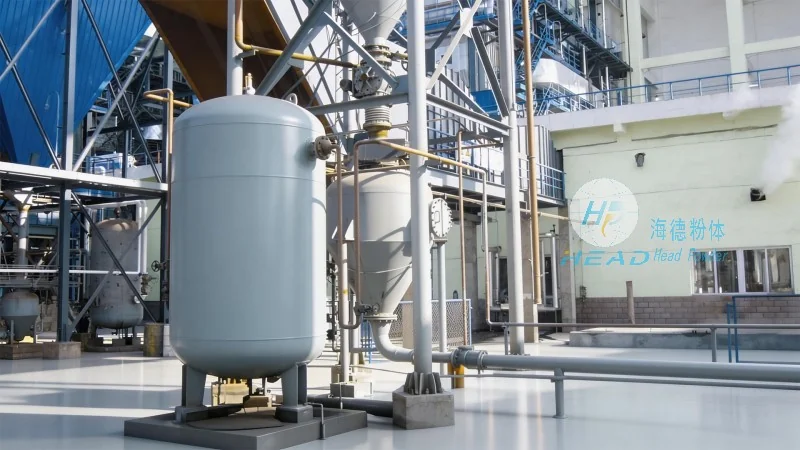
HeadPowder, a leading provider of engineering solutions for material handling, offers expert guidance in selecting the optimal pneumatic conveying system tailored to sodium nitrate applications. With decades of experience in the industry, HeadPowder understands the specific requirements of sodium nitrate handling and can help you navigate the complexities of system selection. The company’s approach focuses on understanding your operational needs, process parameters, and budget constraints to recommend a solution that delivers reliable performance and long-term value.
Understanding the Key Factors in Pneumatic Conveying System Selection
Before diving into the specifics of system types, it’s important to consider several key factors that influence the suitability of a pneumatic conveying system for sodium nitrate. These factors include the material’s physical properties, such as particle size, density, and flowability, as well as the required conveying distance and throughput. Additionally, the operating environment, including temperature and humidity, and any safety regulations or environmental considerations must be taken into account.
For sodium nitrate, which is typically a fine to medium-grained material, the system must be capable of handling particles that may vary in size and density. The flowability of sodium nitrate is also a critical factor, as poor flowability can lead to blockages and system inefficiencies. A well-designed pneumatic conveying system should maintain consistent flow rates and minimize material degradation or segregation during transport.
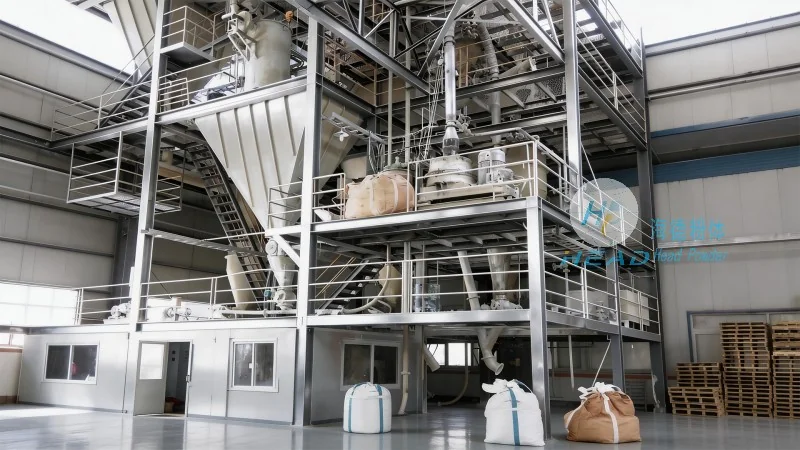
Types of Pneumatic Conveying Systems for Sodium Nitrate
There are primarily two types of pneumatic conveying systems used in industrial applications: positive pressure and negative pressure systems. Each type has its own advantages and is suitable for different scenarios. Positive pressure systems, also known as pressure conveying, use a blower or compressor to push air and material through the system. This method is ideal for long-distance conveying and can handle abrasive or corrosive materials like sodium nitrate. Negative pressure systems, or vacuum conveying, use a vacuum pump to draw material into the system. This approach is often preferred for short-distance conveying and for materials that are sensitive to pressure or require gentle handling.
When selecting between these systems for sodium nitrate, factors such as the distance between the source and destination, the volume of material to be conveyed, and the need for containment or dust control play a significant role. Positive pressure systems are generally more suitable for high-volume, long-distance applications, while negative pressure systems may be more appropriate for smaller-scale or indoor operations where dust containment is a priority.
HeadPowder’s Expertise in Designing Sodium Nitrate Conveying Solutions
Shandong HeadPowder Engineering Co., Ltd., based in Shandong, China, specializes in the design, manufacturing, and installation of customized pneumatic conveying systems for various industrial applications, including sodium nitrate handling. The company’s team of engineers and technicians works closely with clients to assess their specific requirements and develop tailored solutions that meet their operational goals. By leveraging advanced engineering principles and industry best practices, HeadPowder ensures that each system is optimized for efficiency, reliability, and safety.
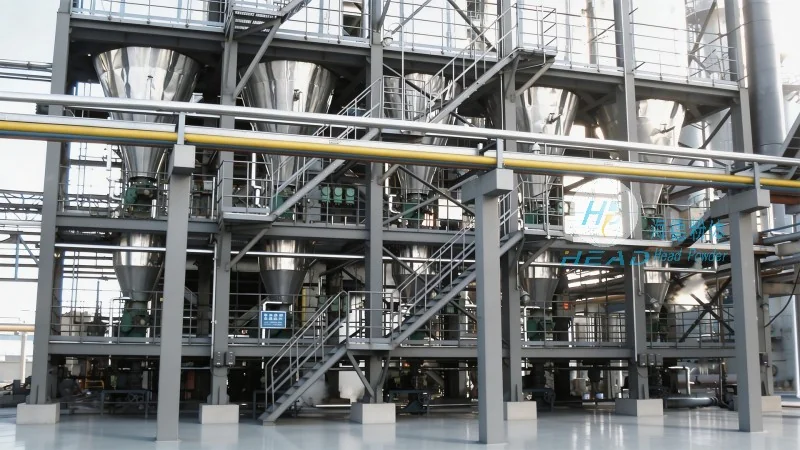
HeadPowder’s approach to system design involves a comprehensive evaluation of the material’s characteristics, the process flow, and the client’s operational constraints. The company considers factors such as the required conveying capacity, the distance to be covered, the need for dust control, and any regulatory compliance requirements. This detailed analysis allows HeadPowder to recommend the most appropriate system type, components, and configuration for each sodium nitrate handling application.
Key Considerations for System Integration and Maintenance
Once a pneumatic conveying system is selected and installed, proper integration and maintenance are essential to ensure long-term performance and minimize downtime. HeadPowder provides comprehensive support throughout the entire lifecycle of the system, from initial design and installation to ongoing maintenance and troubleshooting. The company’s maintenance services include regular inspections, component replacement, and performance monitoring to keep the system operating at peak efficiency.
For sodium nitrate handling, system integration must consider the compatibility of the material with the system components, such as the material of construction for the pipes and valves. Sodium nitrate can be corrosive to certain materials, so selecting appropriate materials like stainless steel or corrosion-resistant alloys is crucial to prevent degradation and ensure system longevity. Additionally, the system must be designed to prevent dust accumulation and maintain a safe working environment, which is particularly important in applications involving sodium nitrate due to its potential hazards.
Conclusion: Choosing the Right System for Your Sodium Nitrate Process
Choosing the right pneumatic conveying system for your sodium nitrate handling process is a critical decision that can significantly impact the efficiency and safety of your operations. By considering the material’s properties, the required conveying parameters, and the system’s design, you can select a solution that meets your specific needs. HeadPowder, with its expertise and commitment to quality, offers reliable solutions that are tailored to the unique challenges of sodium nitrate handling. Whether you need a positive pressure or negative pressure system, HeadPowder’s team of professionals can help you make an informed decision and implement a system that delivers consistent performance and long-term value.

 Công ty TNHH Kỹ thuật Công trình Bột Hải Đức Sơn Đông
 156-6277-7102(Quản lý Trương)
  0531-83386006
  Quận Chương Khâu, Thành phố Tế Nam, Tỉnh Sơn Đông, Trung Quốc
Điện thoại
WeChatTư vấn
Lên đầu