Công ty Hải Đức Bột với hơn 10 năm kinh nghiệm vận chuyển khí, cung cấp hệ thống‑thiết bị‑quạt gió và nhận dự án tổng thầu bột cả nước
When it comes to handling sodium hydroxide powder, selecting the right conveying method is crucial for efficiency, safety, and operational reliability. As a leading provider in the field, Shandong HeadPowder Engineering Co., Ltd. (commonly known as headpowder) specializes in advanced solutions tailored to the unique challenges of transporting this caustic material. This article explores common sodium hydroxide powder conveying methods, with a focus on air-driven systems that offer superior performance in industrial applications.
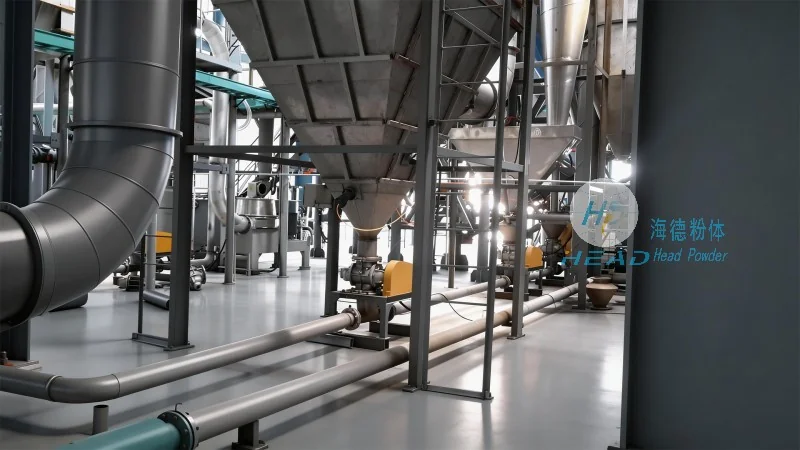
Understanding Sodium Hydroxide Powder Properties and Conveying Challenges
Sodium hydroxide, also known as caustic soda, is a highly reactive and corrosive substance commonly used in chemical manufacturing, water treatment, and various industrial processes. Its powder form requires careful handling due to its hygroscopic nature and potential for dust generation. Traditional conveying methods like belt conveyors or screw conveyors may struggle with material buildup, corrosion, and dust control, especially when dealing with caustic powders. This is where specialized air-driven systems provide significant advantages, ensuring safe and efficient material transport while minimizing operational risks.
Common Conveying Methods for Sodium Hydroxide Powder
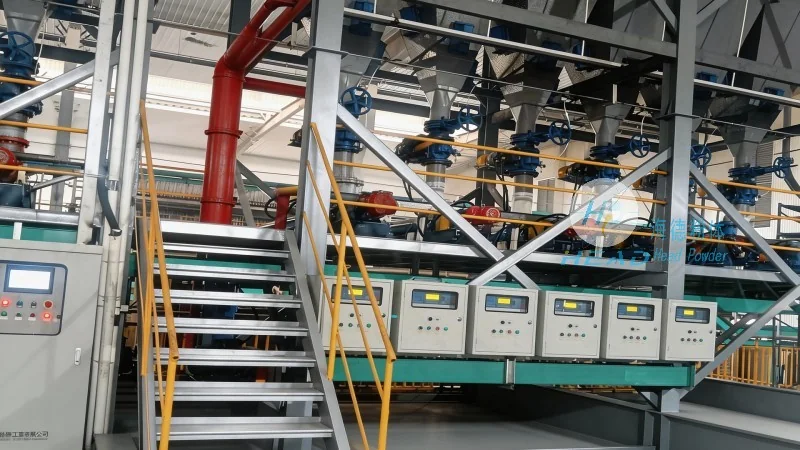
Several methods are employed for transporting sodium hydroxide powder, each with its own set of advantages and limitations. The most common approaches include pneumatic conveying, mechanical conveying, and hybrid systems. Pneumatic conveying, particularly the positive displacement and dilute phase systems, is widely recognized for its ability to handle fine powders like sodium hydroxide with minimal degradation. Mechanical conveying methods such as screw conveyors and belt conveyors are often used for bulk material transport but may require additional dust suppression and corrosion-resistant components. Hybrid systems combine pneumatic and mechanical elements to leverage the strengths of both approaches, offering flexibility in different operational scenarios.
Introduction to Air-Driven Conveying Systems for Sodium Hydroxide Powder
Among the various conveying methods, air-driven (or pneumatic) systems stand out as a preferred choice for sodium hydroxide powder due to their ability to handle fine, abrasive, and corrosive materials efficiently. These systems use compressed air to transport the powder through a pipeline, eliminating the need for mechanical components that may suffer from wear and corrosion. The core components of an air-driven conveying system include a material feeder, a compressor, a pipeline network, and a discharge device. The material feeder ensures a consistent flow of sodium hydroxide powder into the system, while the compressor generates the necessary air pressure to move the material through the pipeline. The pipeline network, typically made of corrosion-resistant materials like stainless steel or PTFE-lined components, transports the powder from the source to the destination. The discharge device, such as a rotary valve or a venturi system, controls the release of the material at the receiving end.
Advantages of Air-Driven Conveying for Sodium Hydroxide Powder
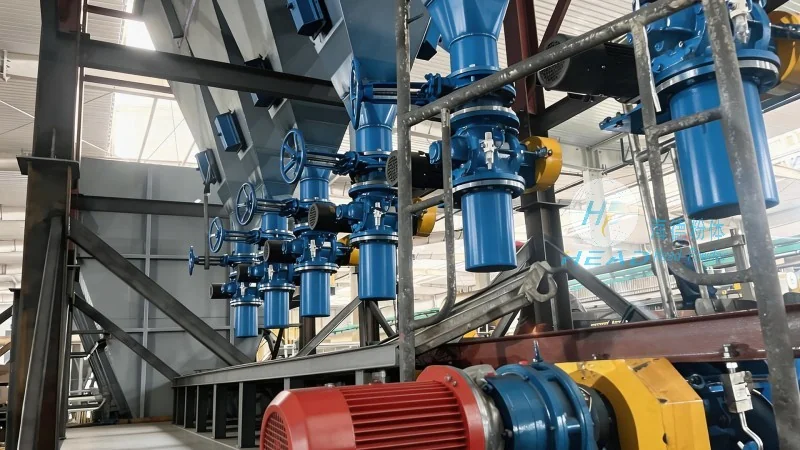
Air-driven conveying systems offer several key advantages when transporting sodium hydroxide powder. First, they provide a closed system that minimizes dust exposure and environmental contamination, which is critical for maintaining workplace safety and compliance with regulatory standards. Second, these systems are highly flexible, allowing for horizontal, vertical, or mixed-direction transport without the need for complex mechanical adjustments. Third, they can handle a wide range of powder characteristics, including fine, coarse, or mixed particle sizes, ensuring consistent material flow. Fourth, air-driven systems are less prone to material buildup and clogging compared to mechanical conveyors, as the powder is continuously suspended in the air stream. Finally, they offer energy efficiency and low maintenance costs, making them a cost-effective solution for long-term operation.
Key Considerations for Implementing Air-Driven Conveying Systems
While air-driven conveying systems offer numerous benefits, several factors must be considered when implementing them for sodium hydroxide powder. First, the system design must account for the material's hygroscopic properties, as moisture can affect the powder's flow characteristics and cause clogging. Proper drying and moisture control measures are essential to maintain system efficiency. Second, the choice of pipeline material is critical due to the corrosive nature of sodium hydroxide. Stainless steel, PTFE, or other corrosion-resistant materials are recommended to ensure long-term durability and prevent material degradation. Third, the system must be equipped with appropriate dust suppression and filtration systems to protect personnel and equipment from dust exposure. Fourth, regular maintenance and monitoring are necessary to ensure the system operates within optimal parameters, preventing performance issues and extending equipment life. By addressing these considerations, industries can maximize the benefits of air-driven conveying while minimizing operational risks.
Conclusion: Choosing the Right Conveying Solution for Sodium Hydroxide Powder
When selecting a conveying method for sodium hydroxide powder, it is essential to evaluate the specific requirements of the application, including material characteristics, operational conditions, and safety standards. Air-driven conveying systems, particularly those designed by Shandong HeadPowder Engineering Co., Ltd., offer a reliable and efficient solution for handling this caustic material. By leveraging advanced technology and corrosion-resistant materials, these systems ensure safe, consistent, and cost-effective transport of sodium hydroxide powder. As a trusted provider in the industry, headpowder continues to innovate and provide tailored solutions that meet the evolving needs of industrial applications, ensuring optimal performance and operational success.

 Công ty TNHH Kỹ thuật Công trình Bột Hải Đức Sơn Đông
 156-6277-7102(Quản lý Trương)
  0531-83386006
  Quận Chương Khâu, Thành phố Tế Nam, Tỉnh Sơn Đông, Trung Quốc
Điện thoại
WeChatTư vấn
Lên đầu