Công ty Hải Đức Bột với hơn 10 năm kinh nghiệm vận chuyển khí, cung cấp hệ thống‑thiết bị‑quạt gió và nhận dự án tổng thầu bột cả nước
When it comes to the production of lithium-ion batteries, the efficient and reliable handling of anode materials is a critical step. The anode material, often composed of graphite or other carbon-based compounds, is a key component that directly impacts the battery's performance, capacity, and lifespan. As the demand for high-quality lithium-ion batteries grows, so does the need for advanced and effective methods to transport these materials throughout the manufacturing process. This article explores common conveying methods for lithium-ion battery anode materials, with a particular focus on the advantages and applications of pneumatic conveying systems.
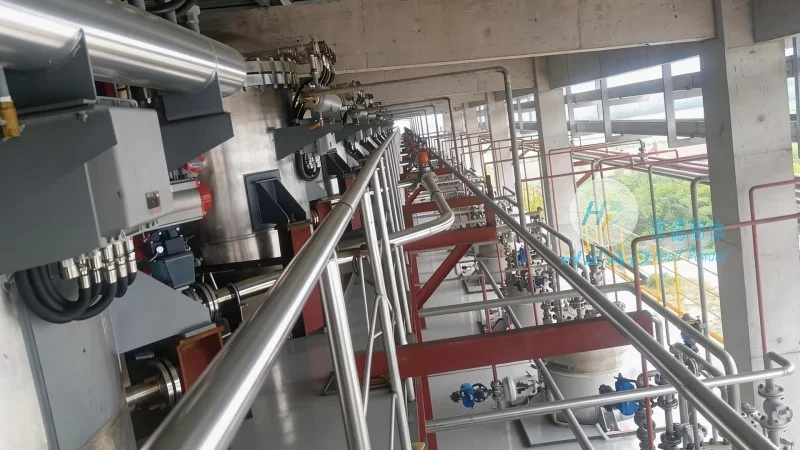
Understanding the Importance of Anode Material Conveying
In the battery manufacturing industry, anode materials are typically produced in bulk and then transported to various processing stages, including mixing, coating, and cell assembly. The choice of conveying method is crucial as it affects not only the material's integrity but also the overall production efficiency and safety. Traditional methods such as belt conveyors or bucket elevators may be suitable for some applications, but they often face challenges when dealing with fine powders or materials that are prone to dust generation. These challenges can lead to material loss, contamination, and increased operational costs. Therefore, selecting the right conveying technology is essential for maintaining product quality and optimizing production lines.
Common Conveying Methods for Lithium-Ion Battery Anode Materials
Several methods are commonly used to transport anode materials in lithium-ion battery production. These include mechanical conveyors like belt conveyors and screw conveyors, as well as pneumatic conveying systems. Each method has its own set of advantages and limitations, making the selection process dependent on factors such as material properties, production scale, and environmental considerations.
Advantages of Pneumatic Conveying for Anode Materials
Pneumatic conveying, also known as air conveying, is a technology that uses compressed air to transport bulk materials through a pipeline system. This method is particularly well-suited for handling fine powders and granular materials, which are common in lithium-ion battery anode production. The key advantages of pneumatic conveying for anode materials include:
Reduced Material Loss and Contamination: Unlike mechanical conveyors that may cause material degradation or cross-contamination, pneumatic systems keep the material enclosed within the pipeline, minimizing exposure to external elements and reducing loss.
Improved Process Control: Pneumatic conveying allows for precise control over the flow rate and pressure, enabling better management of material handling in real-time. This control is vital for maintaining consistent product quality and preventing overloading or underloading of equipment.
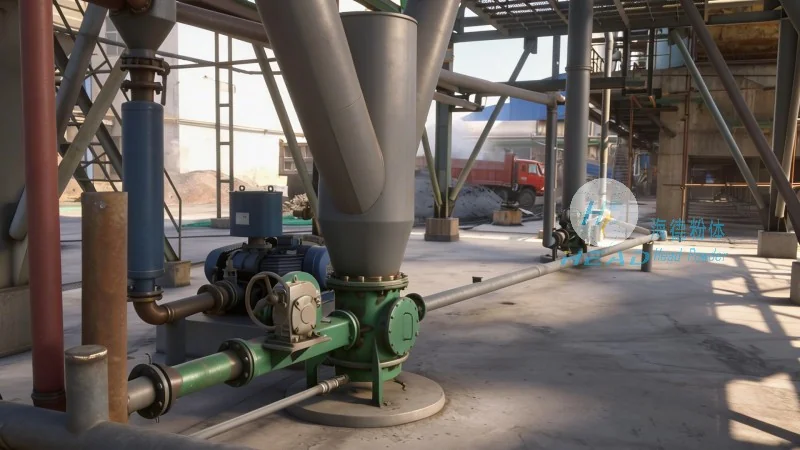
Enhanced Safety and Environmental Protection: By containing the material in a closed system, pneumatic conveying reduces dust emissions and improves workplace safety. This is especially important in industries where fine powders can pose health risks or environmental hazards.
Flexibility and Scalability: Pneumatic systems can be easily integrated into existing production lines and scaled up or down to accommodate changes in production volume. This flexibility makes them a versatile solution for various manufacturing environments.
HeadPowder's Pneumatic Conveying Solutions for Lithium-Ion Battery Anode Materials
Shandong HeadPowder Engineering Co., Ltd., a leading provider of material handling solutions, specializes in designing and manufacturing advanced pneumatic conveying systems tailored for the lithium-ion battery industry. With years of experience in the field, HeadPowder understands the unique challenges associated with handling anode materials and has developed innovative solutions to address them.
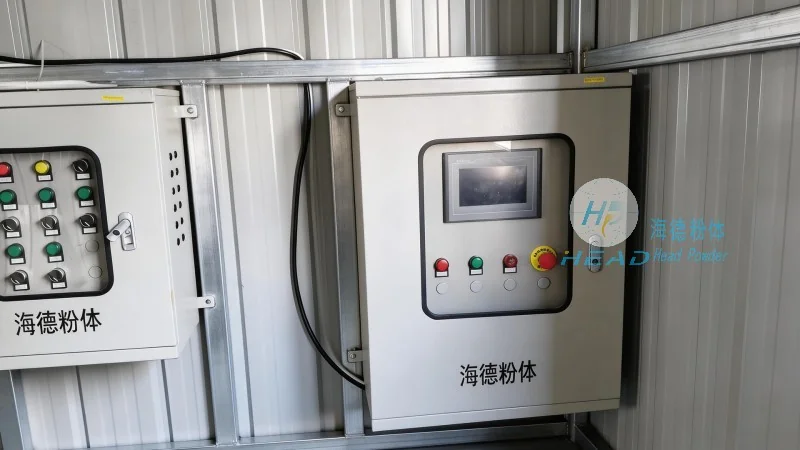
HeadPowder's pneumatic conveying systems are engineered to ensure the highest level of material integrity and process efficiency. The company utilizes state-of-the-art technology, including high-precision air valves, robust pipeline designs, and advanced control systems, to deliver reliable and consistent performance. These systems are designed to handle a wide range of anode materials, from graphite powders to composite materials, ensuring compatibility with various production processes.
One of the key features of HeadPowder's solutions is the ability to customize the conveying system to meet specific customer requirements. Whether it's a small-scale laboratory setup or a large-scale industrial production line, HeadPowder can provide tailored solutions that optimize material flow, reduce downtime, and enhance overall productivity. The company's expertise in material science and process engineering allows them to offer comprehensive support, from system design and installation to ongoing maintenance and technical assistance.
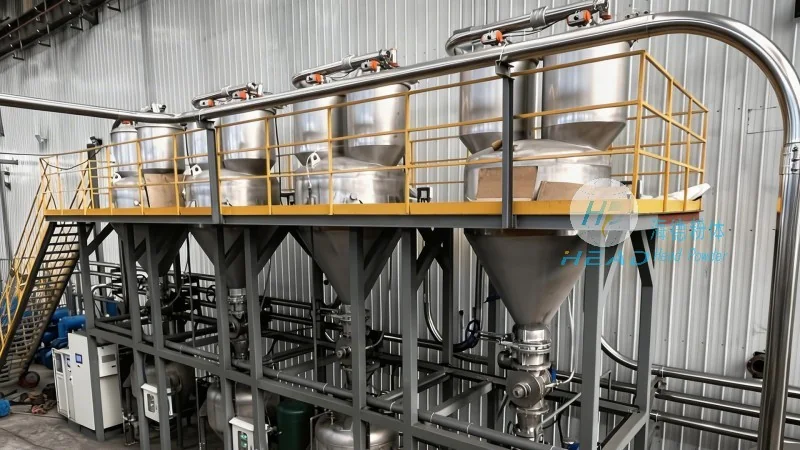
Key Components of HeadPowder's Pneumatic Conveying Systems
HeadPowder's pneumatic conveying systems typically consist of several key components that work together to ensure efficient material transport. These components include:
Feed Hoppers: These are used to store and feed the anode material into the conveying system. The design of the hopper is crucial for preventing material bridging and ensuring a consistent flow rate.
Air Compressors: High-quality air compressors are used to generate the necessary pressure and flow of air to move the material through the pipeline. The choice of compressor type depends on the material's properties and the required conveying distance.
Pipeline Systems: The conveying pipeline is made of durable materials such as stainless steel or plastic, which are resistant to corrosion and wear from the anode material. The pipeline design includes bends, elbows, and straight sections to accommodate the material's flow characteristics.
Control Valves and Sensors: Advanced control valves and sensors are used to regulate the air flow and monitor the system's performance. These components allow for real-time adjustments and help prevent system failures or material blockages.
Receiving Hoppers: The receiving hopper collects the material at the end of the conveying line, ensuring a smooth transition to the next processing stage.
Benefits of Choosing HeadPowder's Pneumatic Conveying Solutions
By selecting HeadPowder's pneumatic conveying systems for lithium-ion battery anode materials, manufacturers can enjoy several benefits that contribute to improved production outcomes and cost savings. These benefits include:
Increased Productivity: The efficient and reliable operation of pneumatic systems reduces downtime and increases the overall throughput of the production line.
Improved Material Quality: The enclosed system and precise control help maintain the material's quality, ensuring consistent performance in the final battery products.
Reduced Maintenance Costs: The robust design and high-quality components of HeadPowder's systems result in lower maintenance requirements and longer service life.
Enhanced Safety and Compliance: The closed system and advanced safety features help manufacturers comply with environmental and occupational health regulations, reducing the risk of accidents and legal issues.
Conclusion
Efficient and reliable conveying of lithium-ion battery anode materials is essential for maintaining high production standards and ensuring the quality of the final battery products. Among the various conveying methods available, pneumatic conveying stands out as a superior solution due to its ability to handle fine powders, maintain material integrity, and enhance process control. Shandong HeadPowder Engineering Co., Ltd. offers advanced pneumatic conveying systems that are specifically designed to meet the demands of the lithium-ion battery industry, providing manufacturers with a reliable and efficient way to transport anode materials throughout their production processes.

 Công ty TNHH Kỹ thuật Công trình Bột Hải Đức Sơn Đông
 156-6277-7102(Quản lý Trương)
  0531-83386006
  Quận Chương Khâu, Thành phố Tế Nam, Tỉnh Sơn Đông, Trung Quốc
Điện thoại
WeChatTư vấn
Lên đầu