Công ty Hải Đức Bột với hơn 10 năm kinh nghiệm vận chuyển khí, cung cấp hệ thống‑thiết bị‑quạt gió và nhận dự án tổng thầu bột cả nước
When it comes to handling and transporting materials used in lithium-ion battery production, the choice of conveying method is critical. Efficient material handling directly impacts production speed, cost-effectiveness, and overall quality control. Among the various options available, pneumatic conveying stands out as a versatile and effective solution for transporting fine powders and granules, which are essential components in the battery manufacturing process. This article explores common lithium-ion battery material handling methods, with a focus on the advantages and applications of pneumatic conveying systems.
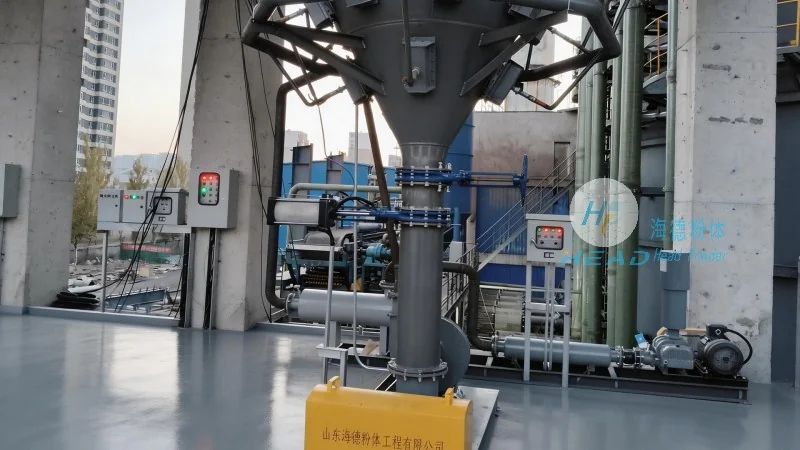
Key Materials in Lithium-Ion Battery Production
Lithium-ion batteries rely on several key materials, each requiring specialized handling to maintain purity and consistency. These materials include lithium compounds, cobalt, nickel, manganese, graphite, and various binders and additives. Each of these materials has unique properties that influence how they are transported. For instance, some powders are hygroscopic and need to be handled in a controlled environment to prevent moisture absorption, while others are abrasive and may require wear-resistant equipment. Understanding the characteristics of these materials is the first step in selecting the right conveying system.
Pneumatic Conveying Systems: How They Work
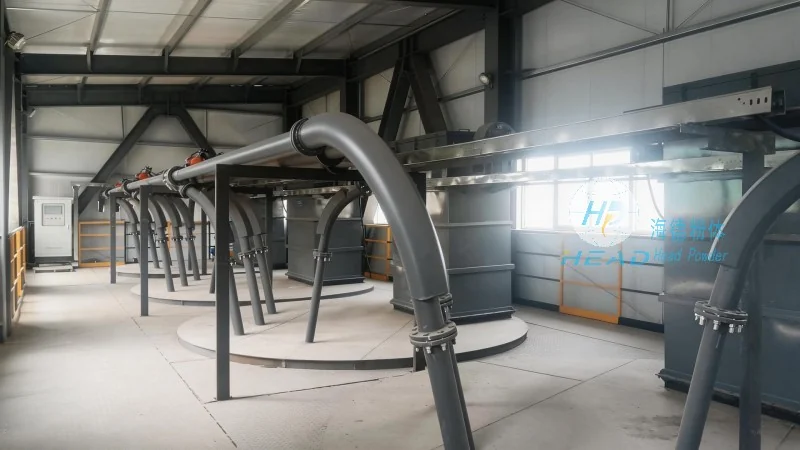
Pneumatic conveying uses air or other gases to transport materials through a pipeline system. There are two main types: pressure and vacuum systems. In pressure systems, air is blown into a hopper or container, creating a positive pressure that pushes the material through the pipeline. Vacuum systems, on the other hand, use a vacuum pump to draw material from a hopper into the pipeline. Both systems can be designed for different applications, from short-distance transport to long-distance conveying over several hundred meters. The choice between pressure and vacuum depends on factors such as material properties, distance, and system complexity.
Advantages of Pneumatic Conveying for Battery Materials
For lithium-ion battery materials, pneumatic conveying offers several advantages over traditional methods like belt conveyors or screw conveyors. First, it provides a closed system, which is crucial for maintaining material purity and preventing contamination. This is especially important for sensitive materials like lithium compounds, where even trace amounts of moisture or impurities can affect battery performance. Second, pneumatic systems are highly flexible and can be easily integrated into existing production lines. They can handle changes in material flow rates and can be reconfigured to accommodate different production stages. Third, these systems are energy-efficient and can reduce labor costs by automating the material transport process. Additionally, they minimize dust generation, improving workplace safety and environmental compliance.
Applications in Battery Manufacturing
Pneumatic conveying is widely used in various stages of lithium-ion battery production. In the raw material handling stage, it can transport raw powders from storage silos to processing equipment. During the mixing and blending process, it helps in accurately dosing and combining different materials to achieve the desired chemical composition. In the electrode manufacturing stage, it is used to transport active materials to the coating and drying equipment. Finally, in the final assembly stage, it can transport finished battery components to packaging lines. Each application requires a specific design of the conveying system, tailored to the material characteristics and production requirements.
System Components and Design Considerations
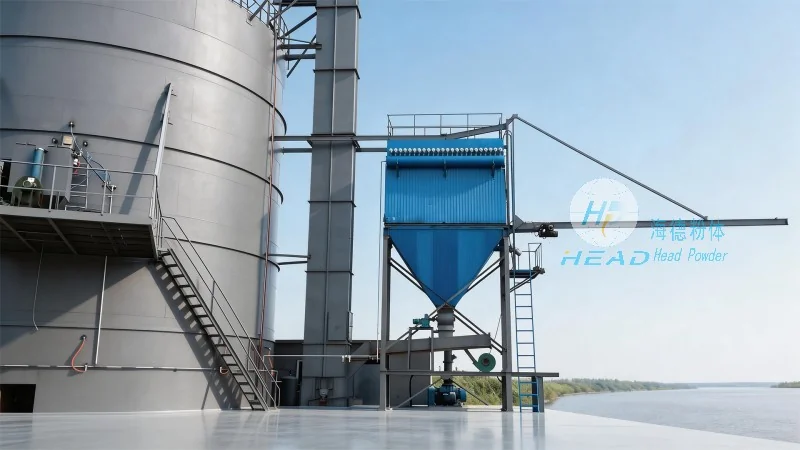
The effectiveness of a pneumatic conveying system depends on several key components. These include the hopper or feeder, which controls the material flow rate; the pipeline system, which transports the material; the air or gas source, which provides the necessary pressure or vacuum; and the control system, which monitors and adjusts the operation. Design considerations include the material's bulk density, flowability, and particle size distribution, as well as the required conveying distance and throughput. For example, for fine powders with low bulk density, a pressure system with a larger air volume may be more suitable. For abrasive materials, the pipeline and components must be made of wear-resistant materials like stainless steel or special alloys to prevent damage and extend the system's lifespan.
Case Study: Shandong HeadPowder Engineering Co., Ltd.
Shandong HeadPowder Engineering Co., Ltd., a leading manufacturer of material handling solutions, specializes in designing and supplying pneumatic conveying systems tailored for lithium-ion battery applications. With headquarters in Shandong, China, the company has extensive experience in the battery industry and understands the unique challenges of handling battery materials. Their systems are engineered to meet the highest standards of efficiency, reliability, and safety. For instance, one of their projects involved supplying a pneumatic conveying system for a large-scale lithium-ion battery factory, where they designed a pressure system that could transport graphite powder over a distance of 500 meters with minimal loss and high purity. The system was integrated with the factory's existing production line, ensuring smooth operation and meeting the client's production targets. This case study highlights the company's expertise in providing customized solutions that address the specific needs of battery manufacturers.

 Công ty TNHH Kỹ thuật Công trình Bột Hải Đức Sơn Đông
 156-6277-7102(Quản lý Trương)
  0531-83386006
  Quận Chương Khâu, Thành phố Tế Nam, Tỉnh Sơn Đông, Trung Quốc
Điện thoại
WeChatTư vấn
Lên đầu