Công ty Hải Đức Bột với hơn 10 năm kinh nghiệm vận chuyển khí, cung cấp hệ thống‑thiết bị‑quạt gió và nhận dự án tổng thầu bột cả nước
Polystyrene, a versatile plastic widely used in packaging, construction, and consumer goods, often requires efficient and reliable conveying systems to move it from one location to another during manufacturing or processing. The choice of conveying method for polystyrene depends on various factors including material properties, production scale, and operational environment. This article provides a detailed comparison of common polystyrene conveying methods, highlighting their advantages, limitations, and typical applications.
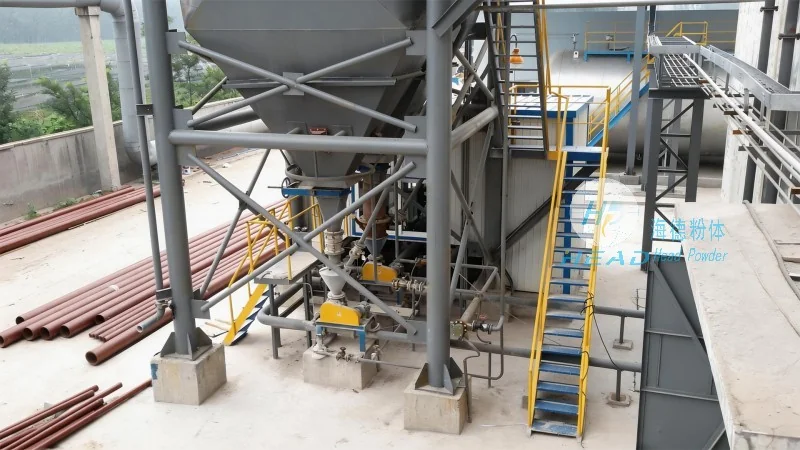
Overview of Polystyrene Conveying Systems
Conveying systems for polystyrene are designed to handle the material's lightweight and sometimes abrasive characteristics. These systems must ensure minimal material degradation, maintain product integrity, and operate efficiently under different production conditions. The primary goal is to move polystyrene from storage or processing units to packaging or further processing stages without causing damage or contamination.
1. Screw Conveyors for Polystyrene Handling
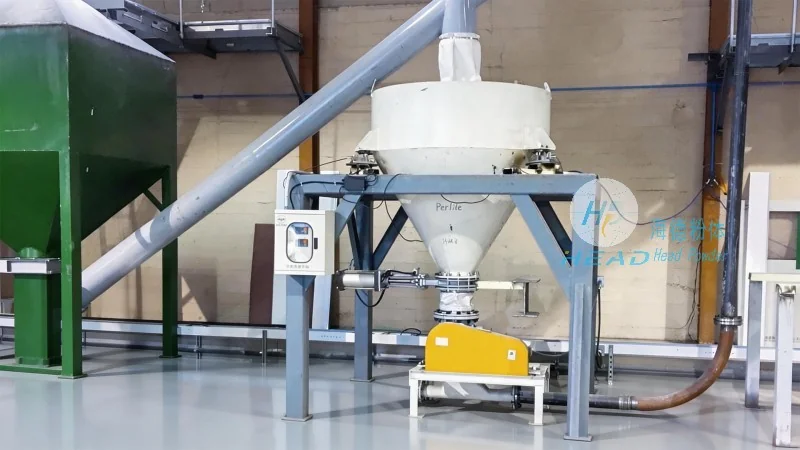
Screw conveyors, also known as auger conveyors, are among the most common equipment used for polystyrene conveying. These systems consist of a rotating helical screw inside a tube or trough, which moves material along the length of the conveyor. For polystyrene, screw conveyors are particularly effective due to their ability to handle bulk materials with minimal air exposure, reducing the risk of material degradation. The design of the screw (e.g., flight type, pitch) can be customized to accommodate different polystyrene types, such as expanded or solid polystyrene, ensuring optimal performance. Screw conveyors are suitable for both horizontal and inclined applications, making them versatile for various production layouts. However, they may experience issues with material bridging or blockages, especially with irregularly shaped polystyrene pieces, which can impact throughput and require regular maintenance to prevent downtime.
2. Belt Conveyors in Polystyrene Processing
Belt conveyors utilize a continuous belt to transport polystyrene materials. These systems are widely used in industries where high-volume material handling is required, such as in the packaging and manufacturing sectors. The belt can be made from materials like rubber or synthetic fabrics, chosen to provide sufficient grip and durability for polystyrene pieces. Belt conveyors are particularly effective for moving polystyrene over longer distances or at higher speeds, as they can handle larger volumes compared to screw conveyors. They are also suitable for inclined or horizontal transport, and can be equipped with side guides or elevators to adjust the material's path. One of the key advantages of belt conveyors is their ability to handle a wide range of polystyrene sizes and shapes without causing significant wear or damage. However, they may require more space and maintenance compared to screw conveyors, as the belt and pulleys need regular inspection and replacement to ensure smooth operation.
3. Pneumatic Conveying Systems for Polystyrene
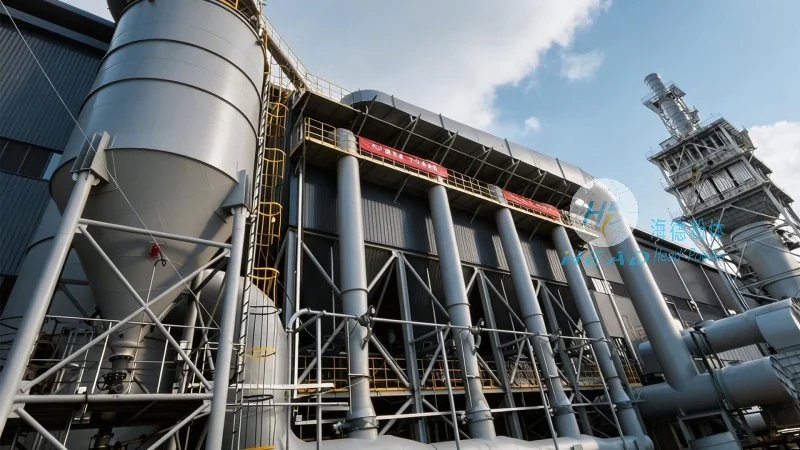
Pneumatic conveying systems use air or other gases to transport polystyrene particles or granules through a pipeline. This method is particularly useful for handling fine polystyrene powders or small pieces that are difficult to move with mechanical systems. Pneumatic conveyors can be categorized into pressure or vacuum systems, depending on the application. Pressure systems push material through the pipeline using compressed air, while vacuum systems draw material into the system using suction. For polystyrene, pneumatic conveying is advantageous because it minimizes material contact with equipment, reducing the risk of contamination or degradation. Additionally, these systems can transport material over long distances with minimal energy consumption compared to other methods. However, pneumatic conveying may not be suitable for very large or irregularly shaped polystyrene pieces, as they can cause blockages or require specialized equipment to handle. The system also needs to be designed to prevent dust accumulation and ensure proper air filtration to maintain air quality and equipment longevity.
4. Vibrating Conveyors for Polystyrene Transport
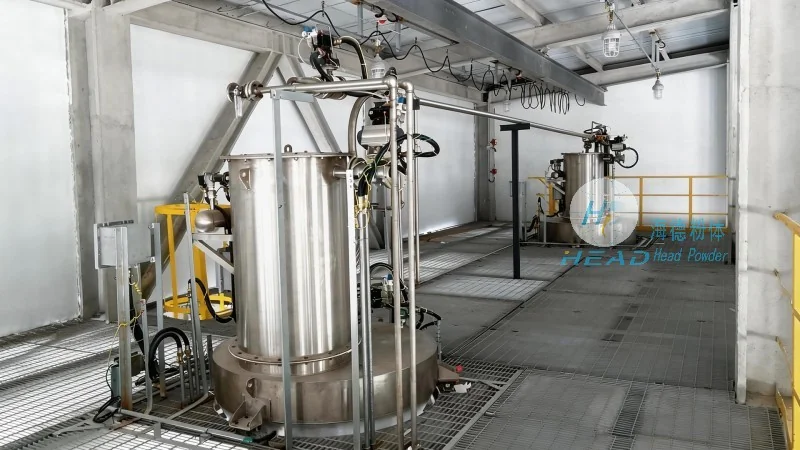
Vibrating conveyors use vibrations to move polystyrene along a trough or conveyor bed. These systems are effective for handling bulk materials, including polystyrene, by creating a continuous flow of material through the system. The vibration frequency and amplitude can be adjusted to control the material's movement speed and direction, allowing for precise control over the conveying process. Vibrating conveyors are particularly useful for transporting polystyrene in inclined or horizontal configurations, and they can handle a wide range of material sizes and shapes without causing excessive wear. One of the key benefits of vibrating conveyors is their ability to handle sticky or cohesive polystyrene materials, as the vibrations prevent material buildup and ensure smooth transport. However, they may require more maintenance compared to other systems, as the vibration mechanisms and troughs need regular inspection to prevent wear and tear. Additionally, the system's design must be carefully considered to avoid excessive noise and vibration that could affect surrounding equipment or personnel.
5. Hydraulic Conveying Methods for Polystyrene
Hydraulic conveying systems use fluid pressure to transport polystyrene materials through a pipeline. This method is less common for polystyrene but can be used in specific applications where other systems are not suitable. Hydraulic conveyors are typically used for handling fine polystyrene powders or granules, as the fluid can effectively move the material through the system without causing damage. The system consists of a pump, a pipeline, and a control valve, which regulate the flow of the hydraulic fluid and the material. One of the advantages of hydraulic conveying is its ability to handle high-pressure applications and transport materials over long distances with consistent performance. However, hydraulic systems require specialized equipment and maintenance, as the fluid and components need regular checks to prevent leaks or system failures. Additionally, the system may not be suitable for large or irregularly shaped polystyrene pieces, as they can cause blockages or require additional equipment to handle.
Company Information: Shandong HeadPowder Engineering Co., Ltd.
Shandong HeadPowder Engineering Co., Ltd., a leading provider of industrial conveying solutions, specializes in designing and manufacturing equipment tailored to the unique needs of polystyrene processing. With years of experience in the industry, the company offers a range of conveying systems, including screw, belt, pneumatic, and vibrating conveyors, to meet the diverse requirements of clients. The company's products are engineered to ensure high efficiency, minimal material degradation, and reliable performance, making them suitable for various polystyrene applications. HeadPowder's commitment to quality and customer satisfaction has established it as a trusted partner in the manufacturing and processing sectors. The company's headquarters is located in Shandong, China, where it continues to innovate and develop advanced conveying solutions for the global market.

 Công ty TNHH Kỹ thuật Công trình Bột Hải Đức Sơn Đông
 156-6277-7102(Quản lý Trương)
  0531-83386006
  Quận Chương Khâu, Thành phố Tế Nam, Tỉnh Sơn Đông, Trung Quốc
Điện thoại
WeChatTư vấn
Lên đầu