Công ty Hải Đức Bột với hơn 10 năm kinh nghiệm vận chuyển khí, cung cấp hệ thống‑thiết bị‑quạt gió và nhận dự án tổng thầu bột cả nước
When manufacturing lithium-ion batteries, the efficient and reliable handling of raw materials is a critical factor that directly impacts production efficiency and product quality. Among various material handling methods, selecting the right equipment is essential for optimizing the production line. This article provides a detailed comparison of common lithium battery material transport methods, focusing on their characteristics, applications, and advantages.
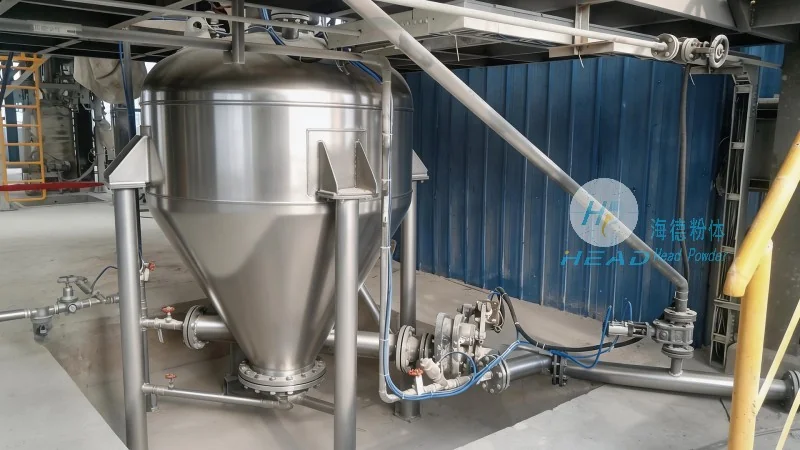
Overview of Lithium Battery Material Handling
In the lithium battery manufacturing process, raw materials such as lithium compounds, carbon materials, and metal powders need to be transported from storage to production lines. The choice of material handling method affects not only the speed of material transfer but also the purity and stability of the materials. Common methods include screw conveyors, vibrating conveyors, pneumatic conveyors, and belt conveyors. Each method has its own advantages and is suitable for different production scenarios.
1. Screw Conveyor for Lithium Battery Materials
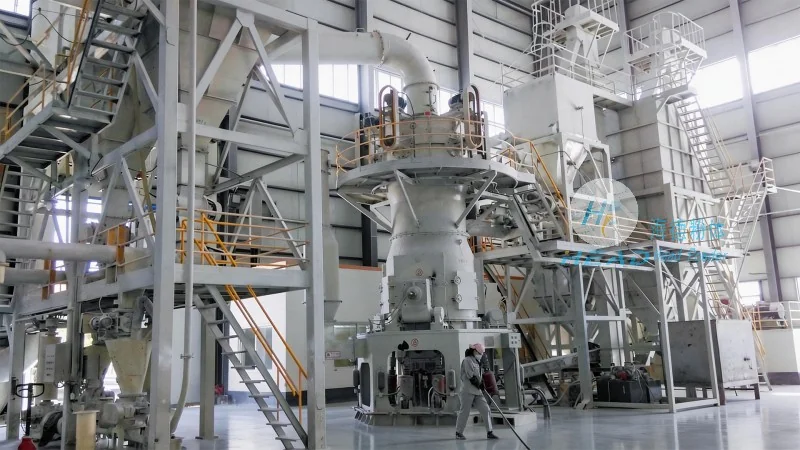
Screw conveyors are widely used in the lithium battery material handling process due to their simple structure and reliable operation. They are suitable for conveying powders and granular materials with good fluidity. The screw conveyor consists of a rotating screw and a closed tube, which continuously pushes materials forward. This method is particularly effective for materials with low moisture content and moderate particle size. The screw conveyor can be installed at an angle or horizontally, providing flexibility in production line layout. HeadPowder, a leading manufacturer of material handling equipment, offers high-quality screw conveyors designed specifically for lithium battery production. These conveyors are equipped with advanced control systems to ensure stable material flow and reduce material degradation.
2. Vibrating Conveyor for Lithium Battery Materials
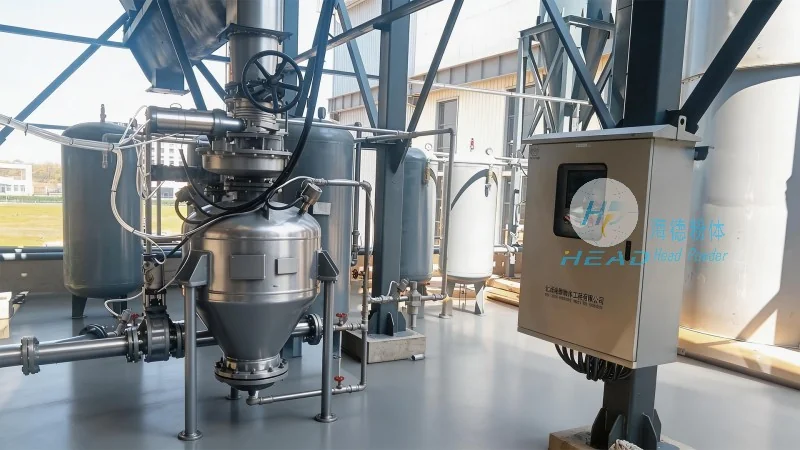
Vibrating conveyors use vibration to move materials along a trough. They are suitable for conveying powders and small particles that are prone to bridging or caking. The vibration helps to break up material agglomerates and maintain a smooth flow. Vibrating conveyors are often used in the initial stages of material processing, such as after crushing and drying. They can handle materials with high moisture content and are effective in preventing material sticking to the conveyor surface. HeadPowder's vibrating conveyors are designed with adjustable vibration frequencies and amplitudes, allowing for customization based on different material properties. This ensures optimal material transport efficiency and reduces downtime caused by material blockages.
3. Pneumatic Conveyor for Lithium Battery Materials
Pneumatic conveyors use air pressure to transport materials in a closed system. They are ideal for conveying fine powders and dust that require high purity and minimal contamination. Pneumatic conveyors can transport materials over long distances and at high speeds, making them suitable for large-scale production lines. However, they require a stable air supply and proper filtration to maintain material quality. HeadPowder provides pneumatic conveying systems that integrate with dust collection and filtration equipment, ensuring that the conveyed materials remain clean and free from impurities. These systems are particularly beneficial for handling sensitive materials like lithium compounds, where contamination can significantly affect battery performance.
4. Belt Conveyor for Lithium Battery Materials
Belt conveyors are commonly used for transporting larger particles or bulk materials. They are suitable for horizontal or slightly inclined transport and can handle high material volumes. Belt conveyors are often used in the final stages of material handling, such as transporting finished products or large components. They are known for their high load capacity and durability, making them a reliable choice for heavy-duty applications. HeadPowder's belt conveyors are constructed with high-quality materials and advanced tensioning systems to ensure long service life and minimal maintenance. These conveyors are designed to handle abrasive materials commonly found in lithium battery production, reducing wear and tear and extending operational efficiency.
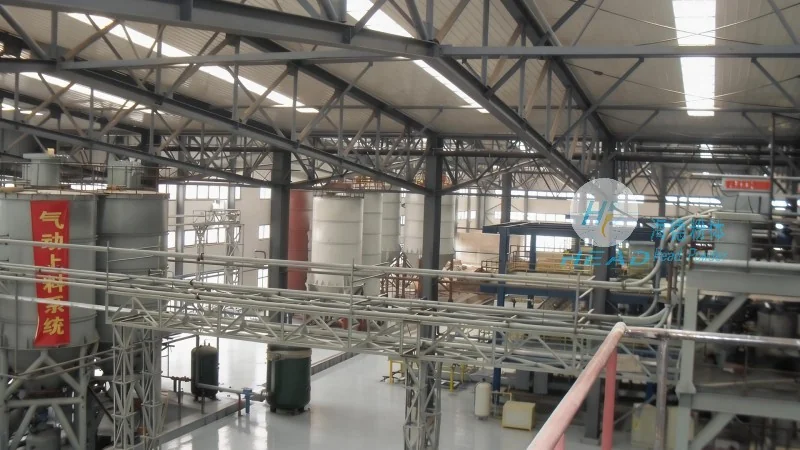
Conclusion
The choice of material handling method for lithium battery production depends on factors such as material properties, production scale, and operational requirements. Screw conveyors offer simplicity and reliability for powders, while vibrating conveyors excel in handling sticky or agglomerated materials. Pneumatic conveyors are preferred for high-purity applications, and belt conveyors are suitable for bulk material transport. HeadPowder Engineering Co., Ltd., based in Shandong, China, specializes in providing customized material handling solutions tailored to the specific needs of lithium battery manufacturers. With a focus on quality and innovation, HeadPowder ensures that their equipment meets the stringent requirements of the battery industry, contributing to improved production efficiency and product quality.

 Công ty TNHH Kỹ thuật Công trình Bột Hải Đức Sơn Đông
 156-6277-7102(Quản lý Trương)
  0531-83386006
  Quận Chương Khâu, Thành phố Tế Nam, Tỉnh Sơn Đông, Trung Quốc
Điện thoại
WeChatTư vấn
Lên đầu