Công ty Hải Đức Bột với hơn 10 năm kinh nghiệm vận chuyển khí, cung cấp hệ thống‑thiết bị‑quạt gió và nhận dự án tổng thầu bột cả nước
For cement production facilities, the efficient and reliable transportation of clinker is a critical operational aspect. The choice of conveying method directly impacts production efficiency, energy consumption, and overall system reliability. This article provides a detailed comparison of common cement clinker conveying methods, highlighting their characteristics, advantages, and typical applications. By understanding these options, facility managers can make informed decisions to optimize their clinker handling processes.
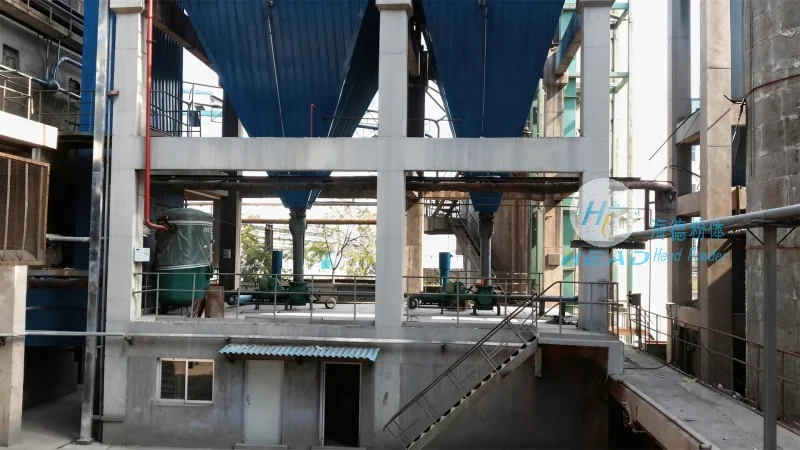
Overview of Key Conveying Methods
Cement clinker, the primary raw material in cement production, requires specialized handling due to its high temperature, abrasive nature, and bulk volume. The following methods are widely used in the industry:
1. Belt Conveyor System
The belt conveyor is one of the most common and versatile methods for clinker transportation. It consists of a continuous loop of conveyor belt supported by rollers and driven by a motor. This system is ideal for horizontal and slight incline applications, allowing for long-distance transport with minimal energy consumption. The belt conveyor is particularly suitable for large-scale production lines where high throughput is required. Its robust construction and ability to handle heavy loads make it a reliable choice for cement plants. However, it may face challenges with vertical lifts or sharp turns, requiring additional equipment like vertical conveyors or transfer points.
2. Pneumatic Conveying System
Pneumatic conveying, also known as air-swept or pressure conveying, uses air to transport clinker particles through a pipeline. This method is highly flexible and can handle both horizontal and vertical movements with ease. It is particularly effective for short to medium distances and can integrate with other processing equipment, such as storage silos or packaging units. The system operates by creating a pressure differential, which propels the clinker through the pipeline. One of the key advantages of pneumatic conveying is its ability to minimize dust emissions compared to other methods, as the material is enclosed within the pipeline. However, it may require higher energy input and can be less efficient for very long distances or high bulk densities.
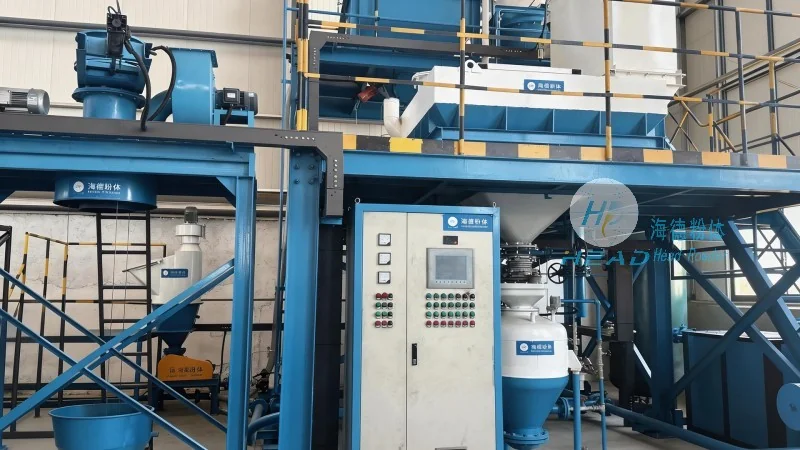
3. Bucket Elevator (Vertical Conveyor)
For vertical transportation of clinker, the bucket elevator is a standard solution. It consists of a vertical or inclined frame with a series of buckets attached to a belt or chain. As the conveyor rotates, the buckets scoop up clinker from a hopper and lift it to the desired height. This method is highly efficient for vertical lifts and can handle high volumes with consistent performance. The bucket elevator is particularly useful in facilities where space is limited or where the clinker needs to be elevated to a higher level for further processing. Its main advantage is its ability to transport material vertically without the need for additional horizontal components. However, it may have limitations in terms of horizontal movement and can be more complex to install and maintain compared to other systems.
4. Screw Conveyor
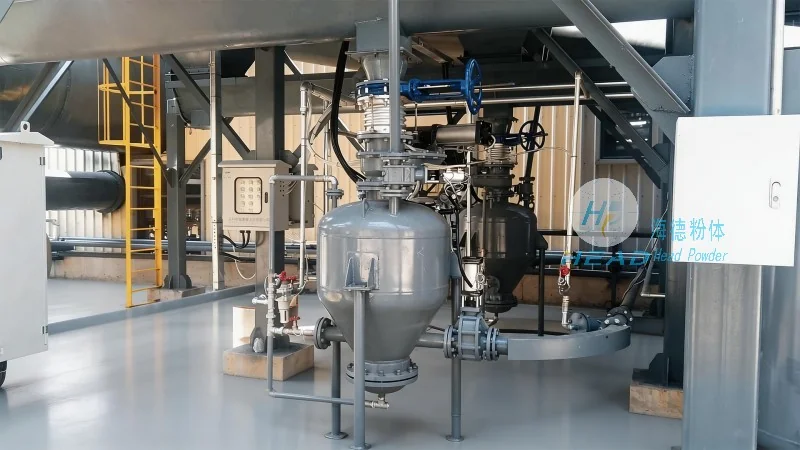
Screw conveyors, also known as auger conveyors, use a rotating screw to move clinker through a tube or trough. This method is suitable for both horizontal and slight incline applications and is often used for short to medium distances. The screw conveyor is compact and can be easily integrated into existing systems. It is particularly effective for handling fine or powdery materials, though clinker, being a bulk solid, may require specific screw designs to prevent blockages. The screw conveyor offers a simple and reliable solution for clinker transport, especially in applications where space is constrained. However, it may have lower throughput compared to belt or pneumatic systems and can generate more heat due to friction.
Choosing the Right Conveying Method for Your Facility
The selection of a clinker conveying method depends on several factors, including the plant's layout, distance to be covered, required throughput, and budget constraints. Facility managers should consider the following aspects when making a decision:
Distance and Layout: Horizontal or vertical distances, as well as the overall plant layout, will influence the choice of system. For long horizontal distances, belt conveyors are often preferred, while vertical lifts may require bucket elevators.
Throughput Requirements: High production volumes may necessitate systems with higher capacity, such as belt conveyors or pneumatic systems with multiple pipelines.
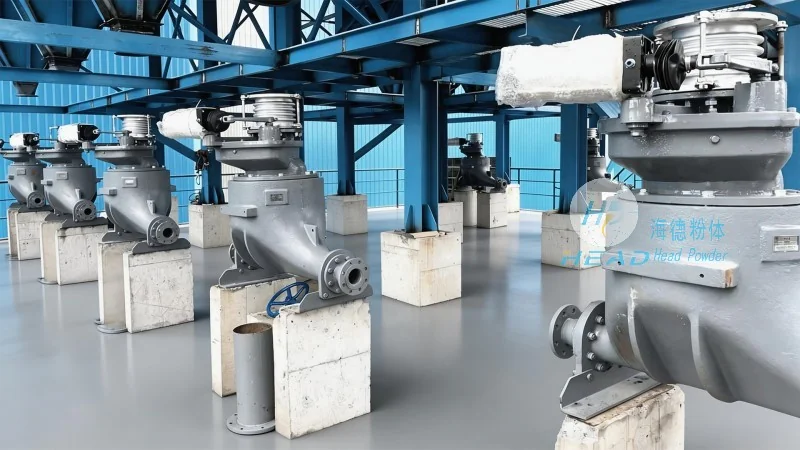
Energy Efficiency: The energy consumption of each method should be evaluated. Belt conveyors are generally more energy-efficient for long horizontal runs, while pneumatic systems may be more suitable for shorter distances with vertical components.
Space Availability: The available space in the plant will impact the choice of equipment. Vertical conveyors are ideal for limited horizontal space, while screw conveyors are compact and can fit into confined areas.
Material Characteristics: The properties of the clinker, such as its temperature, abrasiveness, and bulk density, will affect the system's design. For example, abrasive clinker may require special belt materials or protective coatings.
Conclusion
Efficient clinker conveying is essential for maintaining the productivity and profitability of cement production facilities. By carefully evaluating the characteristics and requirements of different conveying methods, plant operators can select the most suitable system for their specific needs. Whether using a belt conveyor, pneumatic system, bucket elevator, or screw conveyor, the goal is to achieve reliable, cost-effective, and energy-efficient transportation of clinker. Shandong HeadPowder Engineering Co., Ltd. (headpowder), located in Shandong, China, specializes in providing customized conveying solutions tailored to the unique demands of cement plants, ensuring optimal performance and long-term reliability.

 Công ty TNHH Kỹ thuật Công trình Bột Hải Đức Sơn Đông
 156-6277-7102(Quản lý Trương)
  0531-83386006
  Quận Chương Khâu, Thành phố Tế Nam, Tỉnh Sơn Đông, Trung Quốc
Điện thoại
WeChatTư vấn
Lên đầu