Công ty Hải Đức Bột với hơn 10 năm kinh nghiệm vận chuyển khí, cung cấp hệ thống‑thiết bị‑quạt gió và nhận dự án tổng thầu bột cả nước
When it comes to handling rice husk, an efficient and reliable conveying system is crucial for optimizing processing operations. Rice husk, a byproduct of rice milling, is widely used in various industries such as power generation, biofuel production, and animal feed. However, its lightweight and dusty nature makes traditional conveying methods less effective. This article explores common rice husk conveying methods, with a focus on the advantages of pneumatic conveying systems provided by Shandong HeadPowder Engineering Co., Ltd., a leading provider in China.
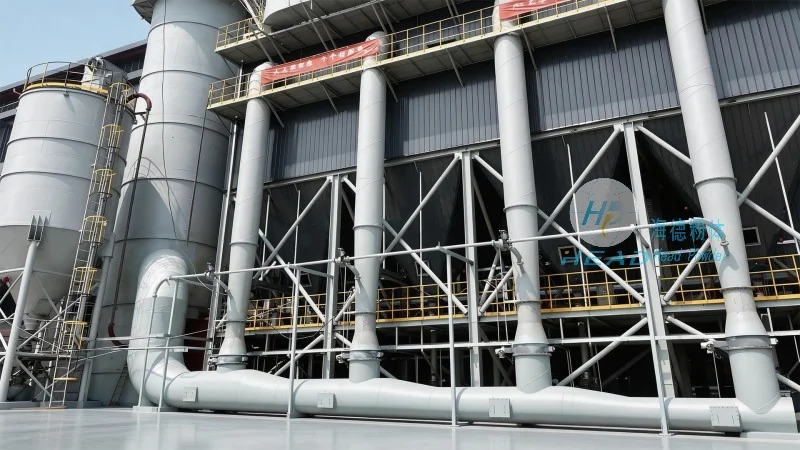
Understanding Rice Husk and Conveying Challenges
Rice husk, also known as rice husks or rice hulls, is a fibrous and lightweight material that poses unique challenges during transportation. Its small particle size and high dust content can lead to clogging in traditional belt or screw conveyors, reducing efficiency and increasing maintenance costs. Moreover, the abrasive nature of rice husk can wear down equipment components over time, shortening their service life. Therefore, selecting the right conveying method is essential to ensure smooth and continuous operation in rice processing facilities.
Common Conveying Methods for Rice Husk
Several methods are commonly used for transporting rice husk, each with its own set of advantages and limitations. The most prevalent options include:
1. Belt Conveyors
Belt conveyors are widely used in bulk material handling due to their simplicity and low cost. However, when it comes to rice husk, these systems often struggle with dust accumulation and material buildup on the belt surface. This can lead to reduced throughput and increased downtime for cleaning and maintenance. Additionally, the lightweight nature of rice husk may cause it to slip or fall off the belt, especially on inclined sections, further compromising efficiency.
2. Screw Conveyors
Screw conveyors, or auger conveyors, are another common choice for transporting granular materials. They work by rotating a screw within a tube to move material forward. While effective for some bulk materials, screw conveyors are not ideal for rice husk due to its abrasive properties. The continuous friction between the screw and the material can cause premature wear on the conveyor components, leading to higher replacement costs and operational disruptions.
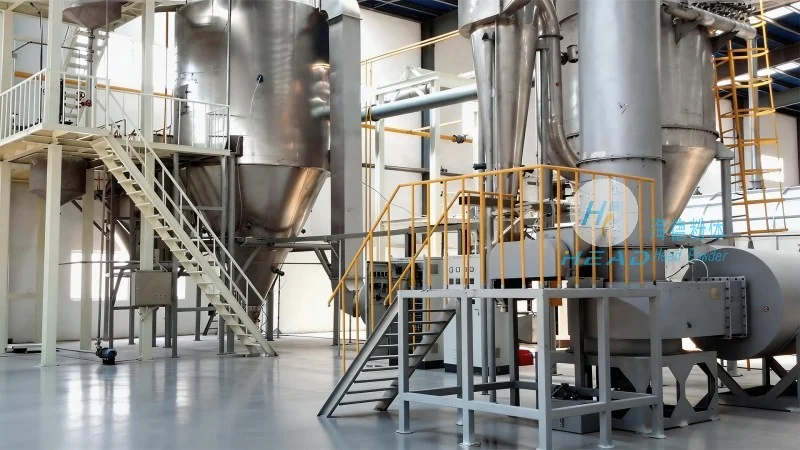
3. Pneumatic Conveying Systems
Pneumatic conveying systems, also known as air conveying systems, utilize air pressure to transport materials through a pipeline. This method is particularly well-suited for handling rice husk because it can efficiently move lightweight, dusty materials without the need for mechanical components that come into direct contact with the product. Pneumatic systems offer several advantages over traditional methods, including reduced material degradation, lower maintenance requirements, and the ability to transport materials over long distances with minimal loss.
Advantages of Pneumatic Conveying for Rice Husk
Among the various conveying methods, pneumatic systems stand out as the most effective solution for rice husk transportation. The key benefits include:
1. High Efficiency and Throughput
Pneumatic conveying systems can achieve high material flow rates, ensuring that rice husk is transported quickly and reliably from one location to another. This is particularly important in large-scale processing facilities where large volumes of material need to be moved continuously. The ability to maintain consistent flow rates helps in optimizing production schedules and reducing bottlenecks in the processing line.
2. Minimal Material Degradation
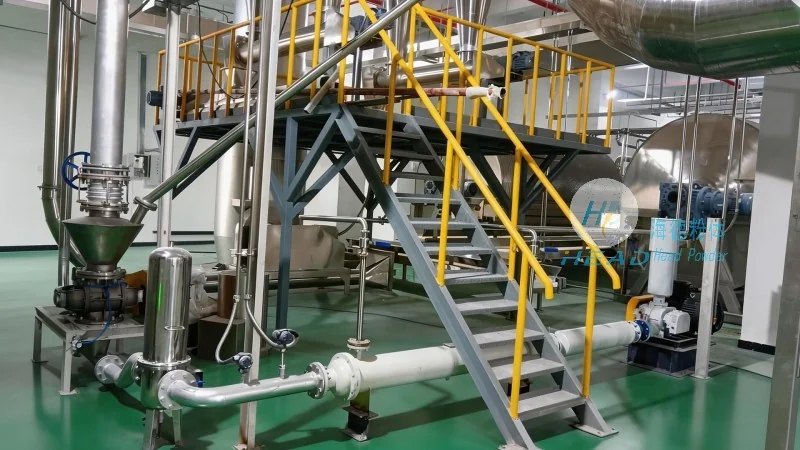
Unlike mechanical conveyors that involve direct contact between the material and equipment parts, pneumatic systems use air to move the material. This reduces the risk of material breakage or degradation, which is crucial for maintaining the quality of rice husk for downstream applications such as power generation or biofuel production. The gentle handling of the material ensures that its properties remain intact, leading to better performance in end-use applications.
3. Low Maintenance and Operational Costs
Pneumatic conveying systems have fewer moving parts compared to traditional mechanical conveyors, resulting in lower maintenance requirements and reduced operational costs. The absence of mechanical components that come into contact with the material minimizes wear and tear, extending the service life of the equipment. Additionally, the self-cleaning nature of pneumatic systems helps in reducing the accumulation of dust and debris, which can otherwise lead to clogging and increased maintenance work.
4. Versatility and Flexibility
Pneumatic conveying systems can be easily adapted to different processing requirements and layouts. They can transport rice husk over long distances, around obstacles, and even vertically, providing flexibility in facility design. This adaptability makes pneumatic systems suitable for a wide range of applications, from small-scale processing plants to large industrial facilities.
HeadPowder Engineering: Providing Pneumatic Conveying Solutions
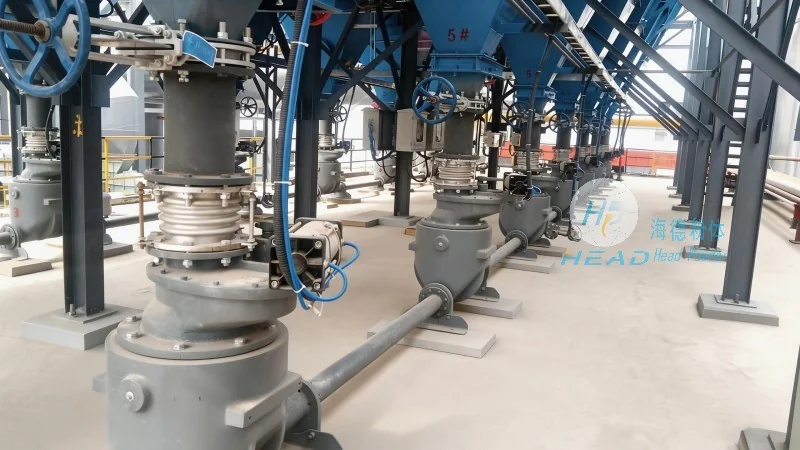
Shandong HeadPowder Engineering Co., Ltd., based in China, is a leading manufacturer and supplier of pneumatic conveying systems tailored for rice husk and other bulk materials. With years of experience in the industry, HeadPowder specializes in designing and manufacturing customized solutions that meet the specific needs of rice processing facilities. The company's expertise lies in understanding the unique challenges of handling rice husk and developing efficient, reliable systems that enhance operational performance.
Customized Pneumatic Conveying Systems
HeadPowder offers a range of pneumatic conveying systems, including positive pressure and negative pressure designs, to suit different operational requirements. The company's engineers work closely with clients to assess their processing needs, material characteristics, and facility layout to design a system that maximizes efficiency and minimizes downtime. Each system is carefully engineered to ensure optimal performance, with components selected based on the specific properties of rice husk, such as its density, moisture content, and dust level.
Quality and Reliability
All pneumatic conveying systems manufactured by HeadPowder are built with high-quality materials and components to ensure long-term reliability. The company adheres to strict quality control standards to ensure that each system meets or exceeds industry specifications. This commitment to quality helps in reducing maintenance costs and extending the service life of the equipment, providing clients with a reliable solution for their rice husk conveying needs.
Technical Support and After-Sales Service
HeadPowder provides comprehensive technical support and after-sales service to ensure that clients can operate their conveying systems efficiently and effectively. The company's team of experienced engineers and technicians are available to provide guidance on system installation, operation, and maintenance. Additionally, HeadPowder offers training programs to help clients' staff understand the proper use and maintenance of the systems, further enhancing the overall performance and reliability of the equipment.
Conclusion
In conclusion, pneumatic conveying systems are the most effective and efficient method for transporting rice husk, offering numerous advantages over traditional mechanical conveyors. The ability to handle lightweight, dusty materials with minimal degradation and low maintenance makes pneumatic systems the preferred choice for modern rice processing facilities. With its expertise and commitment to quality, Shandong HeadPowder Engineering Co., Ltd. provides reliable and customized pneumatic conveying solutions that help clients optimize their rice husk handling operations and improve overall productivity.

 Công ty TNHH Kỹ thuật Công trình Bột Hải Đức Sơn Đông
 156-6277-7102(Quản lý Trương)
  0531-83386006
  Quận Chương Khâu, Thành phố Tế Nam, Tỉnh Sơn Đông, Trung Quốc
Điện thoại
WeChatTư vấn
Lên đầu