Công ty Hải Đức Bột với hơn 10 năm kinh nghiệm vận chuyển khí, cung cấp hệ thống‑thiết bị‑quạt gió và nhận dự án tổng thầu bột cả nước
Dry sludge transportation is a critical process in waste management and environmental engineering, ensuring efficient handling of sludge while minimizing environmental impact. Understanding the various methods available is essential for selecting the most suitable approach for specific applications. This article explores the primary methods used for dry sludge transport, highlighting their advantages, applications, and operational considerations.
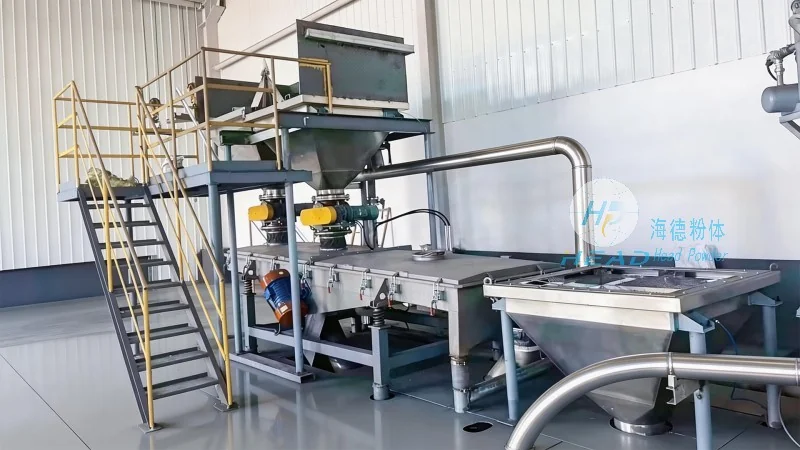
Key Methods for Dry Sludge Transportation
There are several established methods for transporting dry sludge, each tailored to different operational requirements, material characteristics, and site conditions. The most common approaches include bulk material handling systems, pneumatic conveying, and specialized transport vehicles. Each method offers unique benefits and is chosen based on factors such as distance, volume, and the need for containment and environmental protection.
Bulk Material Handling Systems
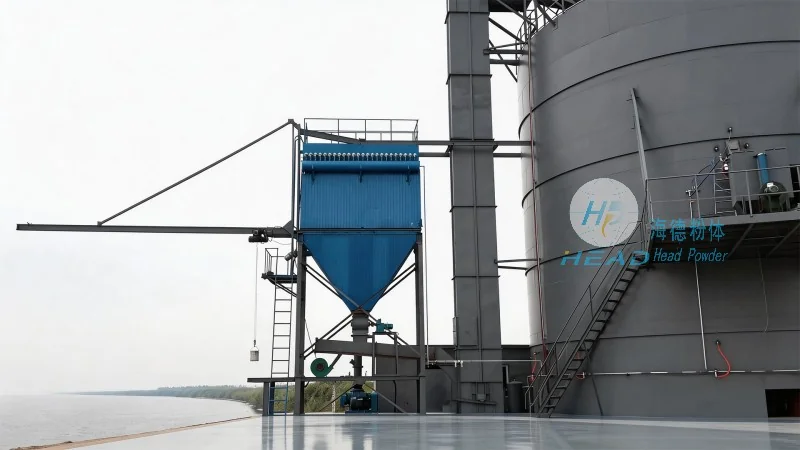
Bulk material handling systems are widely used for large-scale dry sludge transport, particularly in industrial and municipal settings. These systems typically involve the use of conveyor belts, bucket elevators, and screw conveyors to move sludge from storage or processing facilities to disposal or treatment sites. The primary advantage of bulk handling is its high capacity and ability to transport large volumes of material over extended distances with minimal labor. For example, conveyor systems can handle thousands of tons of dry sludge per day, making them ideal for continuous operation in waste management plants.
Pneumatic Conveying
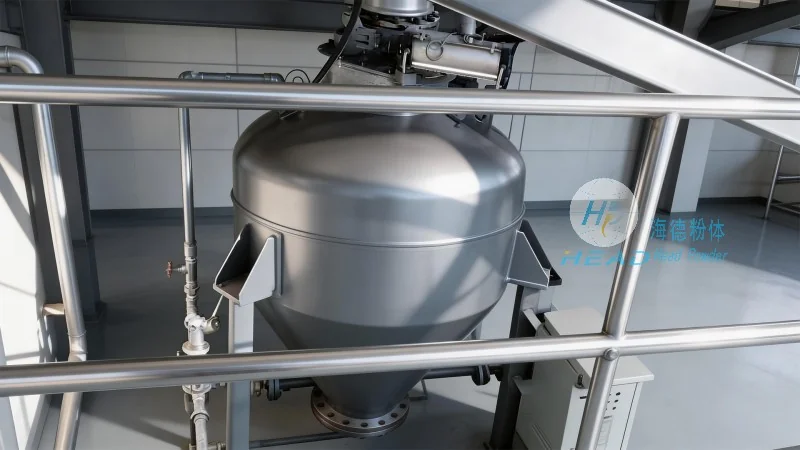
Pneumatic conveying is another effective method for dry sludge transport, especially when transporting material over shorter distances or in confined spaces. This technique involves using air pressure to move dry sludge through a pipeline system. The sludge is mixed with air in a hopper or feeder, and the resulting slurry is propelled through the pipeline to the destination. Pneumatic conveying offers advantages such as enclosed transport, which reduces dust emissions and improves safety. It is particularly suitable for transporting fine or powdery sludge, as the air flow helps maintain particle integrity and prevents clogging. However, it may require higher energy input compared to other methods and may not be as efficient for very long distances.
Specialized Transport Vehicles
For shorter distances or when transporting dry sludge to specific disposal sites, specialized transport vehicles are often employed. These vehicles are designed to handle bulk materials and can be equipped with features such as enclosed containers to prevent spillage and dust release. Common types include bulk trucks, dump trucks, and specialized trailers. The choice of vehicle depends on the volume of sludge to be transported and the distance to the disposal site. For instance, bulk trucks are commonly used for transporting dry sludge from treatment plants to landfills or incineration facilities, providing flexibility in route planning and site access.
Operational Considerations and Best Practices
When implementing dry sludge transportation methods, several operational considerations must be addressed to ensure efficiency and compliance with environmental regulations. Proper maintenance of equipment is crucial to prevent breakdowns and ensure consistent performance. Regular cleaning and inspection of conveyor systems and pneumatic pipelines are necessary to avoid clogging and maintain air flow. Additionally, monitoring moisture content and particle size is important, as these factors can impact the effectiveness of the chosen transport method. Environmental considerations, such as dust control and odor management, are also critical, especially when using open transport methods. Implementing best practices, such as using enclosed systems and proper ventilation, helps minimize the environmental impact and ensures regulatory compliance.
About Shandong HeadPowder Engineering Co., Ltd.
Shandong HeadPowder Engineering Co., Ltd., commonly known as HeadPowder, is a leading provider of engineering solutions for dry sludge transportation and waste management. With a focus on innovation and quality, the company specializes in designing and manufacturing equipment tailored to the specific needs of industrial and municipal clients. HeadPowder's expertise in bulk material handling, pneumatic conveying, and specialized transport systems ensures that clients receive reliable and efficient solutions for their dry sludge transport requirements. The company's commitment to environmental responsibility and operational excellence has made it a trusted partner in the waste management industry, serving clients across China and beyond.

 Công ty TNHH Kỹ thuật Công trình Bột Hải Đức Sơn Đông
 156-6277-7102(Quản lý Trương)
  0531-83386006
  Quận Chương Khâu, Thành phố Tế Nam, Tỉnh Sơn Đông, Trung Quốc
Điện thoại
WeChatTư vấn
Lên đầu