Công ty Hải Đức Bột với hơn 10 năm kinh nghiệm vận chuyển khí, cung cấp hệ thống‑thiết bị‑quạt gió và nhận dự án tổng thầu bột cả nước
Graphite powder is a widely used material in various industrial applications, and the efficient transportation of this fine powder is crucial for maintaining production efficiency and product quality. Among the different conveying methods available, pneumatic conveying stands out as a highly effective solution for handling graphite powder. This article will explore the various conveying methods for graphite powder and delve into the specific advantages and features of pneumatic conveying systems.
Understanding Graphite Powder and Its Conveying Challenges
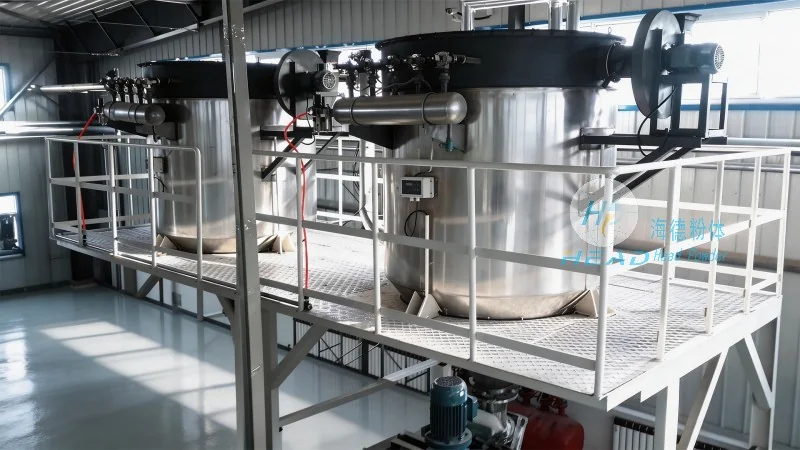
Graphite powder is known for its fine particle size and low bulk density, which makes traditional bulk material handling methods less suitable. Conventional methods like belt and screw conveyors often struggle with issues such as dust generation, material degradation, and blockages due to the fine nature of graphite particles. These challenges highlight the need for specialized conveying solutions that can handle the unique properties of graphite powder efficiently.
Common Conveying Methods for Graphite Powder
Several methods are employed for transporting graphite powder, each with its own set of advantages and limitations. The primary methods include mechanical conveying, such as belt and screw conveyors, and pneumatic conveying. Mechanical conveyors are often used for short-distance transport and are relatively simple in design. However, they are less effective for long-distance or high-volume transport due to the risk of material degradation and increased dust exposure. On the other hand, pneumatic conveying systems offer a more versatile and efficient solution for handling graphite powder over longer distances and in larger quantities.
Pneumatic Conveying: The Preferred Method for Graphite Powder
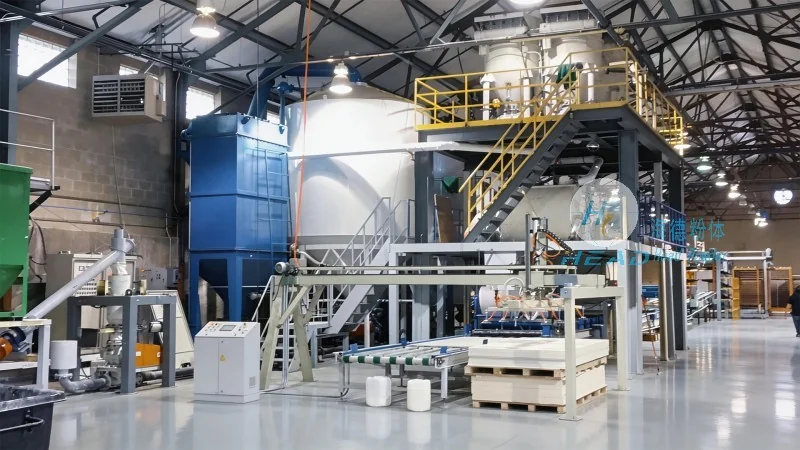
Pneumatic conveying, also known as air conveying, involves the use of compressed air to transport solid particles like graphite powder through a pipeline. This method is particularly advantageous for graphite powder due to its ability to handle fine particles without causing damage or degradation. Shandong HeadPowder Engineering Co., Ltd. (headpowder), a leading manufacturer of material handling solutions, has developed advanced pneumatic conveying systems specifically designed for graphite powder applications. These systems utilize state-of-the-art technology to ensure efficient and reliable transport of graphite powder, meeting the diverse needs of industrial clients.
Advantages of Pneumatic Conveying for Graphite Powder
There are several key advantages of using pneumatic conveying for graphite powder. Firstly, it provides a dust-free environment, which is essential for maintaining product purity and reducing health hazards associated with fine powder handling. Secondly, pneumatic conveying systems can handle high volumes of graphite powder over long distances with minimal energy consumption compared to other methods. Thirdly, the system is highly flexible, allowing for easy integration with existing production lines and the ability to transport graphite powder to multiple destinations from a single source. Additionally, pneumatic conveying reduces the risk of material contamination and degradation, ensuring that the graphite powder reaches its destination in optimal condition.
Key Features of Pneumatic Conveying Systems for Graphite Powder
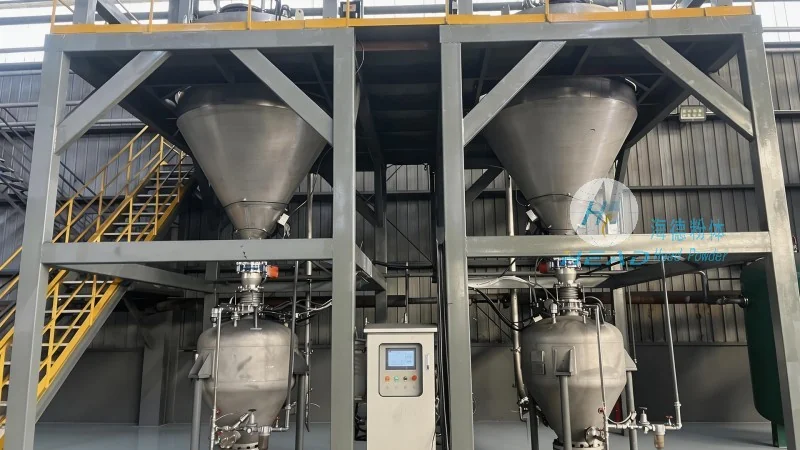
Modern pneumatic conveying systems for graphite powder are equipped with advanced features that enhance their performance and reliability. These features include variable speed feeders that maintain consistent material flow, pressure regulators that control air pressure levels, and filter systems that prevent dust from escaping into the environment. The use of flexible hoses and adjustable pipelines allows for easy reconfiguration of the conveying system to accommodate changes in production requirements. Furthermore, the systems are designed with safety features such as pressure relief valves and emergency shut-off mechanisms to prevent accidents and ensure safe operation.
Application Examples of Pneumatic Conveying in Graphite Powder Handling
Pneumatic conveying systems are widely used in various applications involving graphite powder. For instance, in the production of graphite electrodes, large quantities of graphite powder need to be transported from storage to processing facilities. Pneumatic conveying systems efficiently handle this material, ensuring a continuous supply of graphite powder without interruptions. Similarly, in the manufacturing of lubricants and coatings, graphite powder is conveyed from mixing tanks to packaging areas using pneumatic systems. The ability to transport graphite powder in a controlled and dust-free manner makes pneumatic conveying an ideal choice for these applications.
Conclusion: Choosing the Right Conveying Method for Graphite Powder
When selecting a conveying method for graphite powder, it is essential to consider the specific requirements of the application, including the distance of transport, the volume of material, and the need for dust control. While mechanical conveyors may be suitable for short-distance transport, pneumatic conveying is generally the preferred method for handling graphite powder over longer distances and in larger quantities. The advantages of pneumatic conveying, such as dust-free operation, high efficiency, and flexibility, make it a cost-effective and reliable solution for graphite powder transportation. By understanding the unique properties of graphite powder and the capabilities of different conveying systems, manufacturers can make informed decisions to optimize their production processes and ensure the quality of their products.

 Công ty TNHH Kỹ thuật Công trình Bột Hải Đức Sơn Đông
 156-6277-7102(Quản lý Trương)
  0531-83386006
  Quận Chương Khâu, Thành phố Tế Nam, Tỉnh Sơn Đông, Trung Quốc
Điện thoại
WeChatTư vấn
Lên đầu