Công ty Hải Đức Bột với hơn 10 năm kinh nghiệm vận chuyển khí, cung cấp hệ thống‑thiết bị‑quạt gió và nhận dự án tổng thầu bột cả nước
When it comes to handling glass powder, selecting the right conveying method is crucial for efficiency, safety, and material integrity. Glass powder, with its fine particles and potential for dust explosion risks, requires specialized equipment and techniques to ensure smooth and safe transport. In this overview, we explore common glass powder conveying methods, with a focus on the advantages and applications of pneumatic conveying systems.
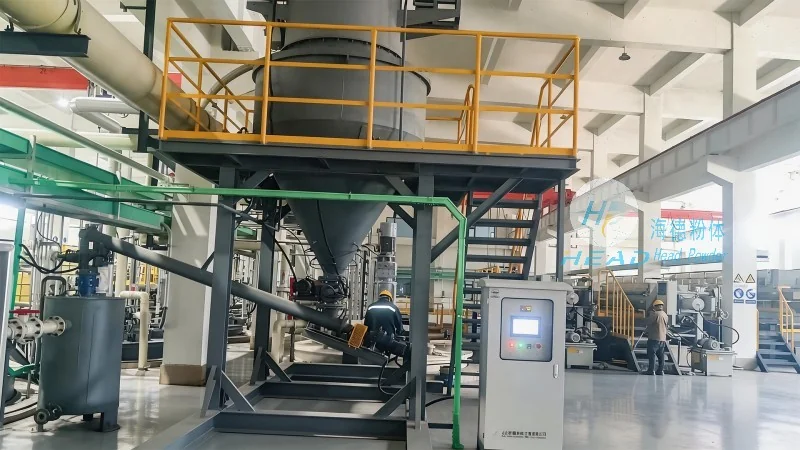
Pneumatic Conveying: The Preferred Method for Glass Powder Transport
HeadPowder, a leading provider of material handling solutions, specializes in pneumatic conveying systems tailored for glass powder applications. Pneumatic conveying uses air or other gases to transport dry powders through a pipeline system. This method offers several benefits for glass powder, including high efficiency, minimal product degradation, and the ability to handle abrasive materials without causing wear to the system components. The system typically consists of a hopper, a blower or compressor, and a pipeline network that can be designed for either positive or negative pressure operation.
Key Components of a Glass Powder Pneumatic Conveying System
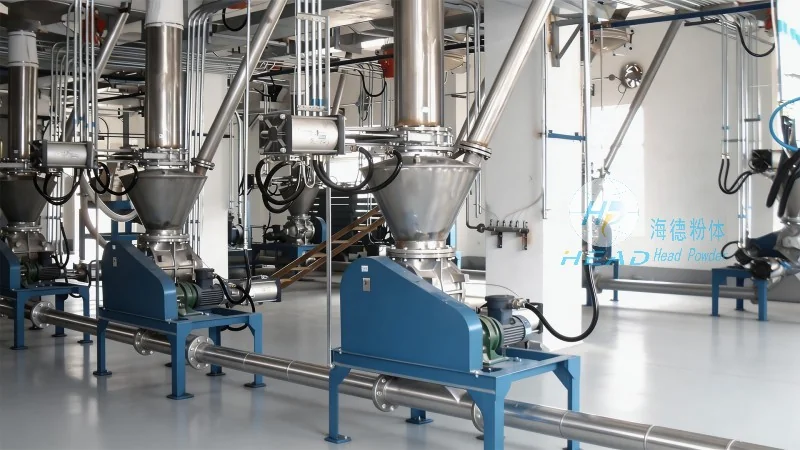
For effective glass powder transport, a well-designed pneumatic system includes several critical components. The hopper serves as the storage and feeding unit, ensuring a consistent flow of glass powder into the system. The blower or compressor provides the necessary air pressure to move the powder through the pipeline. The pipeline network, often made of materials resistant to corrosion and abrasion (such as stainless steel or specialized plastics), connects the hopper to the discharge point. Additionally, control valves and filters are essential for regulating the flow and maintaining air quality, preventing dust accumulation and ensuring compliance with safety standards.
Advantages of Pneumatic Conveying for Glass Powder
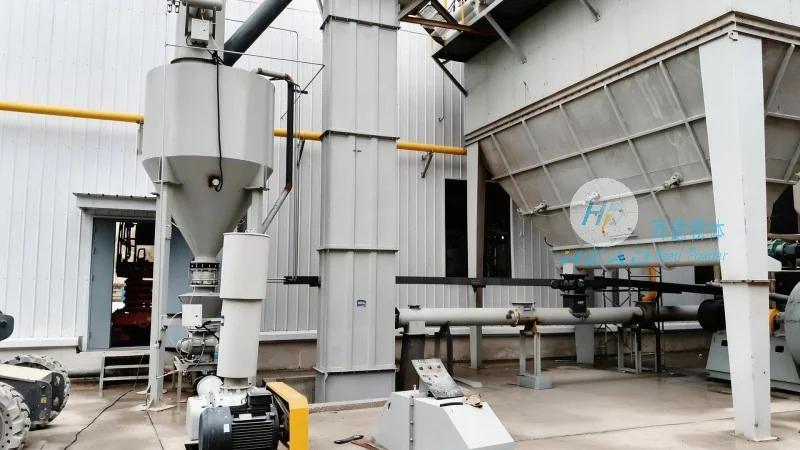
Compared to traditional mechanical conveying methods like screw conveyors or belt conveyors, pneumatic conveying offers distinct advantages for glass powder. First, it minimizes product contamination and degradation, as the powder is not in direct contact with metal parts or exposed to high temperatures. Second, it provides excellent dust control, reducing the risk of fire or explosion hazards associated with fine glass particles. Third, the system can handle varying particle sizes and moisture content, making it versatile for different glass powder applications. Furthermore, pneumatic conveying allows for flexible system design, enabling the integration of multiple feeding and discharge points without the need for complex mechanical connections.
Applications of Glass Powder Pneumatic Conveying
HeadPowder's pneumatic conveying systems are widely used in various industries that handle glass powder, including glass manufacturing, ceramics, and pharmaceuticals. In glass manufacturing, the system efficiently transports raw glass powders from storage to the melting furnace, ensuring a steady supply of material for production. In the ceramics industry, pneumatic conveying is used to move colored glass powders to mixing and molding equipment, maintaining color consistency and preventing contamination. In pharmaceutical applications, the system provides a clean and controlled method for transporting glass powder used in drug delivery systems or packaging materials, adhering to stringent hygiene and safety standards.
Customization and System Design Considerations
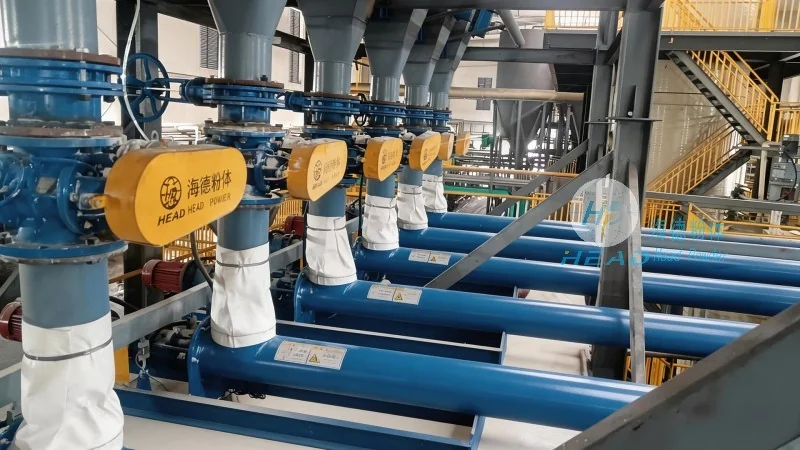
At Shandong HeadPowder Engineering Co., Ltd., we understand that each glass powder application has unique requirements. Our engineers work closely with clients to design customized pneumatic conveying systems that meet specific operational needs. Factors such as the powder's properties (particle size, density, moisture content), the required conveying distance, and the desired discharge location are carefully considered during the design process. We also offer options for different pressure types (positive or negative), pipeline configurations (straight or curved), and material handling speeds to optimize the system's performance and efficiency.
Conclusion: Choosing the Right Conveying Method for Glass Powder
For businesses dealing with glass powder, selecting an appropriate conveying method is essential to ensure operational efficiency and safety. Pneumatic conveying, as highlighted in this overview, offers a reliable and effective solution for transporting glass powder while minimizing risks and maintaining product quality. With years of experience and expertise, Shandong HeadPowder Engineering Co., Ltd. provides high-quality pneumatic conveying systems that are tailored to meet the specific needs of glass powder applications. By investing in a well-designed pneumatic system, companies can enhance their production processes, reduce downtime, and ensure compliance with industry safety standards.

 Công ty TNHH Kỹ thuật Công trình Bột Hải Đức Sơn Đông
 156-6277-7102(Quản lý Trương)
  0531-83386006
  Quận Chương Khâu, Thành phố Tế Nam, Tỉnh Sơn Đông, Trung Quốc
Điện thoại
WeChatTư vấn
Lên đầu